Epoxy resin has become one of the most versatile materials in both creative and industrial fields. From DIY enthusiasts crafting jewelry to furniture makers designing stunning river tables, epoxy resin offers endless possibilities. Its appeal lies in its durability, clear finish, and ability to transform ordinary objects into artistic masterpieces. This material has also become essential in construction and manufacturing due to its adhesive properties, chemical resistance, and strength.
The growing popularity of epoxy resin is also fueled by its accessibility. Today, beginners and professionals alike can purchase ready-to-use kits with clear instructions, pigments, and molds. Whether for small craft projects, home décor, or industrial applications, epoxy resin provides a professional-quality finish that is both practical and aesthetically pleasing. Its combination of utility and artistry makes it an indispensable tool for anyone interested in creative or functional projects.
Understanding epoxy resin before starting any project is crucial. While it is easy to use, mistakes such as incorrect mixing ratios, exposure to humidity, or inadequate curing can affect the final result. Knowing how epoxy resin works, the types available, and the techniques required ensures successful outcomes. Additionally, following safety guidelines prevents accidents and health risks associated with this chemical-based material.
In this comprehensive guide, we will cover everything about epoxy resin—from its definition, types, and applications to working techniques, benefits, safety tips, and common mistakes. By the end, readers will be fully equipped to embark on creative or practical epoxy projects, achieving professional results with confidence.
What Is Epoxy Resin?
Epoxy resin is a type of polymer that consists of two main components: the resin and a hardener. When these components are mixed together in precise ratios, a chemical reaction occurs, causing the mixture to cure into a hard, durable, and often glossy finish. This reaction typically produces a clear or slightly tinted solid that can be polished, molded, or layered for various effects. Unlike other adhesives or coatings, epoxy resin provides exceptional strength, water resistance, and longevity, making it suitable for multiple applications.
Historically, epoxy resins were primarily used in industrial and construction sectors. In the 20th century, they became vital for applications like laminating, waterproof coatings, and structural adhesives due to their resilience and bonding capability. Over time, artists and craft enthusiasts discovered the medium’s creative potential, transforming epoxy’resin into a staple for DIY projects, jewelry making, and decorative furniture. Today, it serves both industrial and artistic purposes, bridging functionality and aesthetics.
The working process of epoxy resin depends heavily on proper mixing, curing time, and environmental conditions. When the resin and hardener are combined, a polymerization reaction occurs. This process solidifies the mixture over several hours or days, depending on the type of resin used. Factors such as temperature, humidity, and the type of mold or surface can influence curing, clarity, and final texture. Additionally, specialty resins like UV-resistant or heat-resistant options expand its applications further, making it adaptable for diverse projects.
Understanding the fundamentals of epoxy resin is essential for achieving professional results. Beginners should start with small projects to learn how different resins behave and how curing time and layering affect the final product. By mastering the basics, anyone can create stunning, durable, and functional epoxy resin pieces suitable for both decorative and industrial purposes.
Types of Epoxy Resin
Epoxy resin comes in several types, each tailored to specific applications and desired outcomes. Art and craft epoxy resins are typically clear or lightly tinted and designed for artistic projects such as jewelry, coasters, and decorative objects. These resins are valued for their clarity, ease of coloring with pigments, and ability to hold embedded objects like flowers, beads, or other decorations. Artists often use them for layered effects, achieving a glossy, glass-like finish that enhances the aesthetic appeal.
Industrial epoxy resins differ in viscosity, curing times, and durability. They are designed to withstand high stress, heat, and chemical exposure, making them ideal for flooring, laminates, adhesives, and structural coatings. While these resins are not primarily designed for artistic purposes, they can still be used for functional furniture projects where durability and strength are essential. Industrial-grade epoxy resin ensures long-lasting performance, especially in high-traffic areas or load-bearing applications.
Specialty epoxy resins offer additional features tailored for specific needs. UV-resistant resins prevent yellowing over time, ideal for outdoor applications or long-lasting decorative pieces. Heat-resistant resins are suitable for surfaces exposed to high temperatures, such as kitchen countertops or laboratory equipment. Flexible epoxy resins can bend slightly without cracking, making them ideal for surfaces that expand or contract with temperature changes. Choosing the right type of epoxy’resin ensures project success and longevity.
Selecting the correct resin for your project is crucial. Beginners should start with clear, art-grade epoxy for small DIY projects, while industrial and specialty resins are better suited for professional or heavy-duty applications. Understanding the different types allows users to maximize the potential of epoxy resin while minimizing common mistakes such as improper curing, yellowing, or cracking.
Key Applications of Epoxy Resin
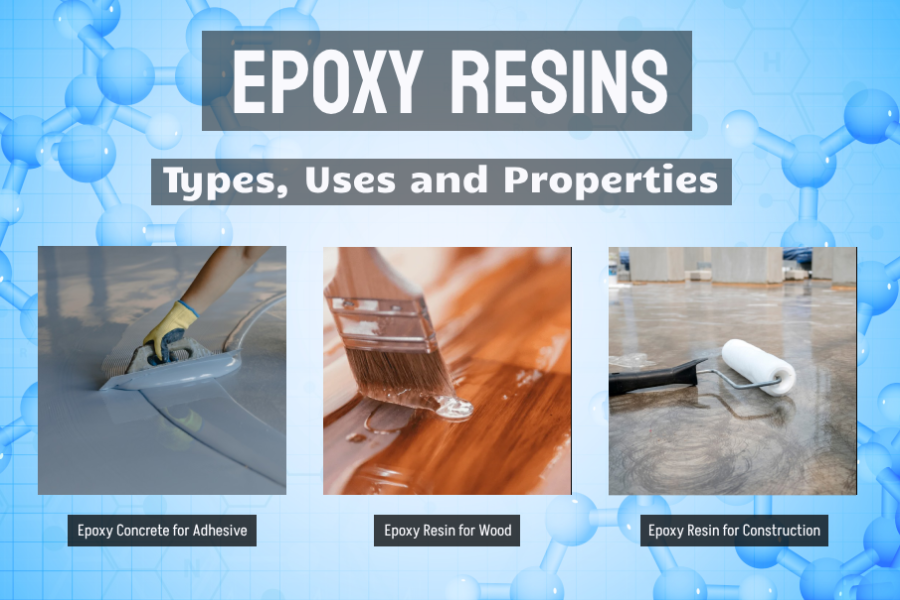
One of the most popular uses of epoxy resin is in artistic projects. Artists and hobbyists use it to create stunning jewelry pieces, resin paintings, coasters, and embedded object art. Epoxy resin allows layering techniques, enabling the creation of depth and texture. Clear resin is especially popular for encasing objects like dried flowers, coins, or photographs, giving them a permanent, glossy finish that is both visually appealing and durable.
In home décor and furniture, epoxy resin has revolutionized the industry. River tables, countertops, and wooden inlays have become design trends due to the unique finish resin provides. Furniture makers use epoxy to coat tabletops, create transparent surfaces, and even repair or strengthen wooden items. Its combination of strength and aesthetics makes it ideal for both functional and decorative purposes. Resin furniture often serves as a centerpiece in modern homes, highlighting creativity and craftsmanship.
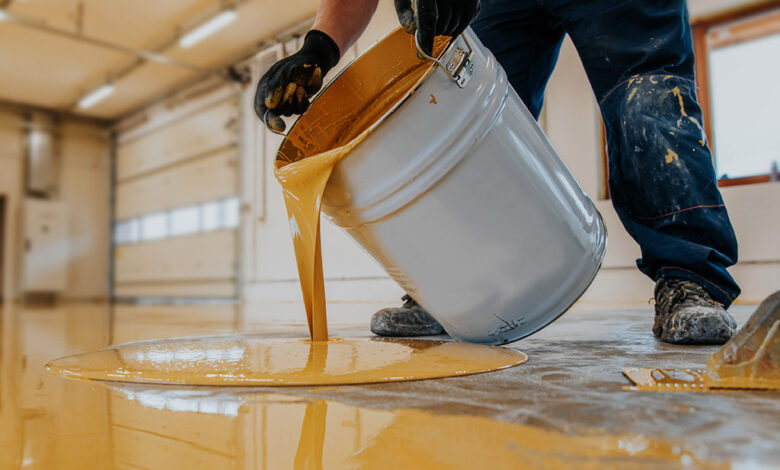
Industrial and construction applications of epoxy resin focus on functionality. Flooring systems, adhesives, and laminates often use epoxy due to its durability, chemical resistance, and ability to bond to various surfaces. Epoxy coatings protect surfaces from moisture, corrosion, and physical wear, making them indispensable in warehouses, factories, and commercial spaces. Its waterproofing and insulating properties further expand its industrial utility.
Even hobbyists and DIY enthusiasts benefit from epoxy resin’s versatility. Small-scale projects such as keychains, coasters, trays, and home repairs are accessible for beginners. These projects allow users to experiment with coloring, embedding, and layering techniques, gradually improving their skills while creating functional or decorative items. Epoxy resin’s adaptability makes it suitable for almost any project imaginable.
How to Work with Epoxy Resin
Preparation is key when working with epoxy resin. A proper workspace should be well-ventilated and covered with protective materials to avoid spills. Essential tools include measuring cups, stir sticks, gloves, a heat gun or torch for bubble removal, and molds if shaping resin is part of the project. Safety is crucial, as direct contact with resin or inhalation of fumes can cause irritation.
Mixing and measuring the resin correctly is essential. Typically, resin and hardener are combined in specific ratios, and inaccuracies can lead to improper curing, sticky surfaces, or cloudiness. Slow and thorough mixing ensures a consistent reaction, while careful handling prevents air bubbles. Pigments, dyes, or additives can be introduced during mixing for customized finishes.
Pouring and curing require precision and patience. Resin should be poured slowly into molds or onto surfaces to prevent overflow. Layering resin is often necessary for deep projects, allowing each layer to cure partially before adding the next. Heat guns or torches are used to remove bubbles and create a smooth surface. Curing times vary, but adequate time is essential to achieve the final glossy, durable finish.
Finishing techniques include sanding, polishing, and buffing to achieve a professional look. Epoxy resin can be sanded to smooth imperfections and then polished for a high-gloss surface. For creative projects, artists often add pigments, glitters, or metallic powders to enhance the visual effect. Mastery of these techniques allows beginners and professionals alike to create stunning, durable epoxy resin projects.
Safety Tips and Precautions
Working with epoxy resin requires attention to safety. Gloves, masks, and proper ventilation are necessary to minimize skin contact and inhalation of fumes. Long sleeves and protective eyewear are recommended, especially for larger projects or prolonged exposure. Improper handling can result in irritation or allergic reactions.
Storage and disposal are also critical. Epoxy resin should be kept in a cool, dry place away from sunlight, moisture, or heat sources. Leftover resin or containers should be disposed of according to local regulations, as improper disposal can harm the environment. Beginners should always read labels and follow manufacturer instructions for safe use.
Additionally, controlling the workspace environment is important. High humidity or extreme temperatures can affect curing and cause cloudiness, tackiness, or uneven surfaces. Working under suitable conditions ensures consistent results and avoids project failures. Safety precautions not only protect users but also improve the quality of the finished product.
Common Mistakes and How to Avoid Them
Common mistakes include incorrect mixing ratios, which can result in sticky or uncured resin. Always measure carefully and mix slowly to avoid air bubbles. Pouring too thick or thin layers can also affect curing, so following recommended thickness guidelines is essential.
Environmental factors like temperature and humidity can negatively impact resin performance. Projects should be conducted in controlled environments to avoid unexpected reactions. Insufficient curing time is another common issue. Rushing the process often leads to incomplete hardening, compromising durability and appearance.
Beginners may also neglect surface preparation, leading to poor adhesion or uneven finishes. Proper mold preparation, surface cleaning, and use of release agents improve results. Awareness of these common pitfalls allows users to plan, execute, and finish projects successfully while minimizing errors.
Conclusion
Epoxy resin is a highly versatile material that bridges the gap between artistry and functionality. Its applications range from intricate jewelry and decorative art to durable furniture and industrial coatings. Understanding the types, working techniques, and safety precautions is essential to achieve professional-quality results.
Whether you are a beginner looking to try small DIY projects or a professional creating large-scale installations, epoxy resin offers endless creative and practical possibilities. By following proper procedures, taking necessary safety measures, and practicing techniques, anyone can master this material. Epoxy resin’s combination of durability, visual appeal, and adaptability makes it a favorite among creators, artisans, and industrial professionals alike.
Frequently Asked Questions (FAQs)
What is epoxy resin and how does it work?
Epoxy resin is a two-part polymer consisting of resin and hardener that chemically reacts to form a hard, durable surface.
What are the different types of epoxy resin?
Types include art and craft resins, industrial-grade resins, and specialty resins like UV-resistant or heat-resistant versions.
Can epoxy resin be used for both art and industrial applications?
Yes, it is highly versatile, suitable for jewelry, furniture, flooring, coatings, and adhesives.
How long does epoxy resin take to cure?
Curing time varies from several hours to days depending on resin type, layer thickness, and environmental conditions.
How do I avoid bubbles in epoxy resin projects?
Mix slowly, use a heat gun or torch, and pour carefully to minimize air entrapment.
Is epoxy resin safe to use at home?
Yes, if proper safety measures like gloves, masks, and ventilation are used.
Can I color epoxy resin?
Yes, pigments, dyes, and metallic powders can be added during mixing.
What tools do I need for working with epoxy resin?
Essential tools include measuring cups, stir sticks, gloves, molds, heat gun, and protective gear.
How do I fix mistakes in a resin project?
Mistakes can often be corrected by sanding, layering a new coat, or polishing the surface.
What are the most popular DIY projects using epoxy resin?
Jewelry, coasters, resin art, tabletops, keychains, and decorative inlays are common beginner projects.
You May Also Read: Travel Republic