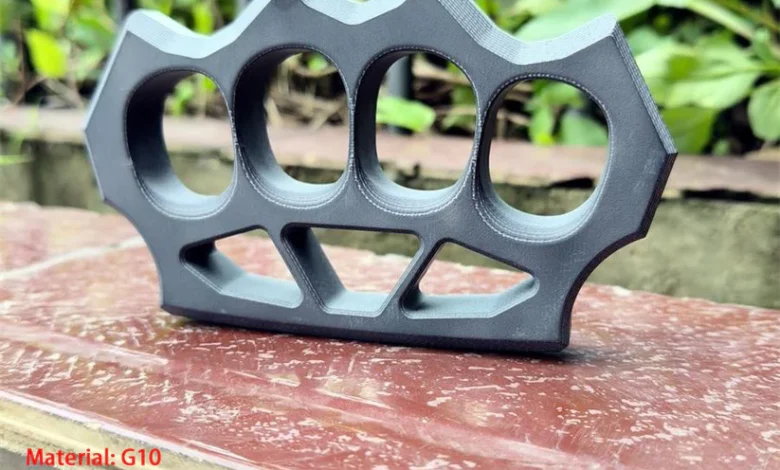
The Knuckle Duster is a compact, handheld weapon designed to enhance the impact of a punch, making it a notable tool in both historical and modern contexts. Known for its distinctive metal ring that fits over the fingers, the knuckle duster has long been associated with self-defense, hand-to-hand combat, and, occasionally, criminal activity. Despite its reputation, it remains a popular collectible item and a symbol of historical weaponry. Understanding its history, design, uses, and legal considerations is crucial for enthusiasts, collectors, and anyone curious about this iconic object.
Historically, the knuckle duster was valued for its simplicity and effectiveness. Its ability to amplify the force of a punch made it a powerful yet compact weapon for personal protection. Over time, its design evolved, reflecting advancements in metallurgy and craftsmanship. Today, knuckle dusters are available in various materials, styles, and even ornamental versions. Some are functional, while others are purely decorative or collectible.
Aside from its practical applications, the knuckle duster holds cultural significance. It has appeared in movies, literature, and pop culture, often symbolizing toughness, rebellion, or historical warfare. Yet, it is also heavily regulated in many countries due to its potential misuse. Anyone considering ownership must understand not only its design and function but also the legal implications of possessing or displaying one.
This comprehensive guide delves into the origins, evolution, materials, types, uses, legal status, and safe ownership practices of the Knuckle Duster. By exploring each of these aspects, readers will gain a full understanding of why this seemingly simple weapon has endured through centuries and continues to capture the imagination of collectors and enthusiasts worldwide.
History of the Knuckle Duster
The origins of the Knuckle Duster trace back to ancient civilizations where similar devices were used in combat to amplify hand strikes. Early examples include metal rings, brass knuckles, or even improvised versions fashioned from everyday objects. Warriors and soldiers often relied on such tools in close-quarters combat when swords or other weapons were impractical. These early designs laid the groundwork for the modern knuckle duster’s signature finger-ring configuration.
By the 19th and early 20th centuries, the knuckle duster became more refined. Military and law enforcement personnel sometimes carried them as auxiliary weapons, valuing their compact design and effectiveness. The weapon also found popularity among street fighters, boxing enthusiasts, and urban communities, becoming both a tool of self-defense and, unfortunately, a symbol of aggression in some subcultures.
Notable historical figures have occasionally been associated with knuckle dusters, either through military use or personal protection. Their appearance in historical conflicts underscores their functional value, particularly in hand-to-hand encounters. These small but effective weapons allowed individuals to defend themselves without requiring extensive training, making them accessible and practical for many situations.
In pop culture, the knuckle duster evolved into a symbol of toughness and rebellion. From gangster movies of the early 20th century to modern action films and video games, it has often been portrayed as a weapon associated with strength, street smarts, and resilience. This dual identity—as both a functional weapon and a cultural icon—has ensured its enduring place in both historical records and modern imagination.
Design and Types of Knuckle Dusters
The Knuckle Duster is characterized by its finger-ring design, which allows the user to slip their fingers through a metal frame for added punching power. The most basic model, the standard knuckle duster, features four metal rings connected by a horizontal bar, creating a solid shield over the knuckles. This design maximizes force transfer while keeping the weapon compact and easy to conceal.
Decorative or ornamental versions are also common among collectors. These may feature engravings, jewels, or intricate patterns, emphasizing craftsmanship over functionality. While still capable of withstanding force, these designs are often more valued for display and historical interest rather than combat utility.
Modern tactical variants have incorporated lightweight metals, reinforced polymers, or hybrid materials. These contemporary designs prioritize portability, durability, and collector appeal. Advanced manufacturing techniques allow for ergonomic shaping, improving grip and comfort while maintaining the weapon’s iconic appearance.
Materials play a significant role in knuckle duster performance. Steel is the most common choice, offering durability and strength, while brass provides a heavier feel for increased punching impact. Aluminum or lightweight alloys appeal to collectors or those seeking less weight for display purposes. Each material has pros and cons depending on intended use, whether practical, historical, or decorative.
Uses and Practical Applications
Historically, knuckle dusters were primarily used in combat and self-defense situations. Their small size allowed them to be carried discreetly while delivering concentrated force in hand-to-hand confrontations. Military personnel, street fighters, and security figures relied on them for situations where traditional weapons were impractical. Proper technique and training enhanced their effectiveness, emphasizing control, precision, and force distribution.
In modern times, knuckle dusters are largely collectibles. Enthusiasts and historical reenactors often seek them as part of a curated collection of historical weaponry. Collectors value both the craftsmanship and the historical context of each piece. Displaying these items responsibly is essential to preserve their condition and comply with legal restrictions.
However, knuckle dusters have occasionally been associated with criminal activity. Unauthorized use can lead to serious legal consequences, as many jurisdictions classify them as prohibited weapons. Possession or misuse without proper licensing or lawful purpose can result in fines, imprisonment, or confiscation.
Responsible ownership requires understanding these risks and adhering to safety protocols. Collectors often treat knuckle dusters as display items or historical artifacts, avoiding any use that could endanger themselves or others. This approach preserves the weapon’s cultural and historical significance while respecting modern legal frameworks.
Legal Status Around the World

The legal status of the Knuckle Duster varies significantly across countries. In some regions, possession is strictly prohibited, with laws designed to reduce violent crime and weapon misuse. For example, several European countries classify knuckle dusters as illegal weapons, carrying severe penalties for unauthorized ownership.
Other countries allow restricted ownership under specific conditions, such as for collectors, reenactors, or licensed security personnel. These restrictions may require permits, registration, or compliance with safety standards. Understanding local legislation is essential to avoid legal complications.
Certain jurisdictions permit ownership for decorative or historical purposes but strictly prohibit carrying or using them in public. These laws distinguish between practical, collectible, and ornamental purposes, reflecting the need to balance historical appreciation with public safety.
It is vital for anyone considering owning a knuckle duster to research and comply with local laws. Ignorance of regulations does not protect against legal consequences, and possession in prohibited areas can lead to criminal charges. Responsible ownership ensures both personal safety and adherence to the law.
How to Choose a Knuckle Duster Safely
Choosing a Knuckle Duster requires careful consideration of purpose, material, and safety. Size and weight influence comfort and handling. Heavier metals provide more impact, while lightweight materials are easier to handle or display. The fit should be comfortable, ensuring the finger rings do not pinch or restrict movement.
Intended use matters as well. Collectors often prioritize aesthetics and historical authenticity, while individuals involved in reenactments or displays may prefer durability. Practical use for self-defense, where legal, demands sturdier construction and reliable ergonomics.
Safety is critical. Knuckle dusters should never be used recklessly, and proper storage is essential to prevent accidents. Display cases, secure drawers, or dedicated shelves help keep them safe from children or untrained individuals. Education on handling, cleaning, and maintenance enhances both safety and preservation.
Maintenance and Care
Maintaining a knuckle duster ensures longevity and preserves its value. Regular cleaning with appropriate tools prevents rust, corrosion, and wear, especially for metal variants. Light oils or protective coatings can safeguard against environmental damage.
Avoiding exposure to moisture, extreme temperatures, or harsh chemicals helps prevent degradation. Collectors often store knuckle dusters in climate-controlled environments to maintain metal integrity and prevent tarnishing.
For display purposes, protective cases or mounts are recommended. These not only highlight the weapon’s aesthetic qualities but also reduce the risk of accidental damage. Proper care ensures the knuckle duster remains a valuable historical or collectible item for years to come.
Conclusion
The Knuckle Duster is a historically significant weapon that combines simplicity, effectiveness, and cultural symbolism. From its early origins in combat to its role in modern collections, it has remained a unique tool for both self-defense and historical appreciation.
Understanding its design, materials, uses, and legal restrictions is essential for anyone interested in owning or studying knuckle dusters. Responsible handling, proper storage, and adherence to laws ensure safety while preserving the weapon’s historical significance.
Whether as a collectible, a historical artifact, or a study in martial technology, the knuckle duster continues to captivate enthusiasts worldwide, reflecting both its enduring functionality and cultural resonance.
Frequently Asked Questions (FAQs)
What is a Knuckle Duster used for?
It is primarily used to enhance the impact of a punch, historically for self-defense or combat.
Are knuckle dusters legal to own?
Legal status varies by country; some prohibit them, while others allow restricted ownership.
What materials are knuckle dusters made from?
Common materials include steel, brass, aluminum, and sometimes polymer for lightweight versions.
How were knuckle dusters used historically?
They were used in hand-to-hand combat, both militarily and for personal protection.
Can knuckle dusters be used for self-defense today?
Legal self-defense use depends on local laws; misuse can result in criminal charges.
Are there collectible or decorative knuckle dusters?
Yes, many are made for display with ornate designs and historical authenticity.
What are the risks of carrying a knuckle duster?
Possession in prohibited areas can lead to legal consequences, including fines or imprisonment.
How should a knuckle duster be stored safely?
Secure display cases or locked drawers are recommended to prevent accidents.
Which countries strictly prohibit knuckle dusters?
Countries such as the UK, Germany, and Australia have strict bans or regulations.
How do modern designs differ from historical versions?
Modern variants may use lighter materials, ergonomic shaping, or decorative customization while maintaining the classic functionality.
You May Also Read: Steering Wheel