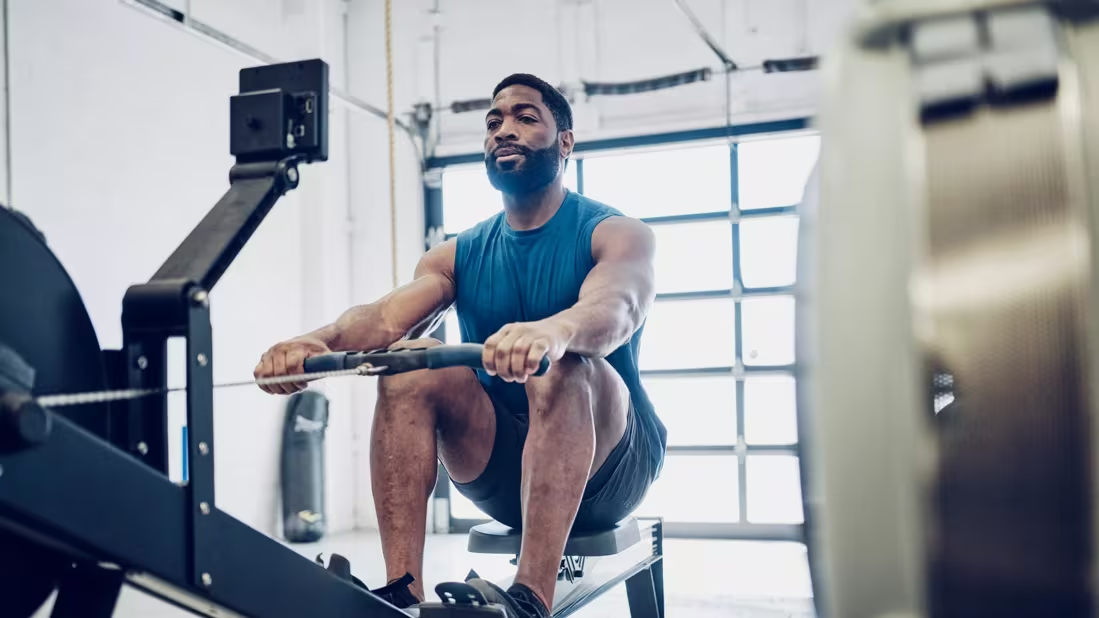
Rowing Machine Benefits have become one of the most respected pieces of fitness equipment in both gyms and home workout spaces—and for good reason. Unlike many cardio machines that focus on just one part of the body, rowing delivers a powerful combination of strength training and cardiovascular exercise in a single, fluid movement. This makes rowing an efficient, time-saving, and results-driven workout option for people of all fitness levels.
The true value of rowing machine benefits lies in their versatility. Whether your goal is weight loss, muscle toning, improved heart health, or overall fitness, rowing can be adapted to meet your needs. It allows beginners to start gently while offering enough resistance and intensity for advanced athletes. This adaptability, combined with its low-impact nature, has made the Rowing Machine Benefits a staple in modern fitness routines.
Full-Body Workout Advantages
One of the biggest rowing machine benefits is its ability to deliver a true full-body workout. Every rowing stroke engages the legs, core, back, shoulders, and arms in a coordinated sequence. In fact, the majority of the power in rowing comes from the legs, while the core stabilises the body and the upper body finishes the movement. This balanced engagement ensures no major muscle group is neglected.
Unlike machines that isolate muscles, rowing promotes functional strength by training the body to work as a unit. This improves coordination, balance, and movement efficiency, which can translate into better performance in daily activities and other sports. Over time, consistent rowing builds lean muscle across the entire body without excessive bulk, creating a strong and athletic physique.
Cardiovascular and Heart Health Benefits
Rowing is an exceptional cardiovascular exercise that challenges both the heart and lungs. As a rhythmic, continuous movement, rowing elevates the heart rate quickly and keeps it within an effective training zone for extended periods. This helps strengthen the heart muscle, improve circulation, and increase oxygen efficiency throughout the body.
Regular rowing workouts can lead to noticeable improvements in stamina and endurance. Over time, your body becomes more efficient at delivering oxygen to working muscles, reducing fatigue during both exercise and everyday tasks. For those seeking heart-healthy workouts that are effective yet gentle on the joints, rowing provides an ideal balance of intensity and safety.
Weight Loss and Calorie-Burning Benefits
When it comes to burning calories, Rowing Machine Benefits are among the most effective fitness tools available. Because rowing activates multiple muscle groups simultaneously, it demands a high level of energy expenditure. This means you can burn a significant number of calories in a relatively short amount of time, making rowing highly effective for weight loss.
Rowing also supports fat loss by combining cardio and resistance training. While cardio burns calories during the workout, the muscle engagement helps boost metabolism even after exercise. High-intensity rowing intervals can further enhance fat-burning potential, while steady-state rowing supports long-duration calorie burn. This combination makes rowing a sustainable and efficient choice for long-term weight management.
Strength, Muscle Tone, and Posture Improvement
Another major advantage of rowing machine benefits is the improvement in muscle strength and tone. Rowing builds strength in the legs, glutes, back, and arms while placing particular emphasis on the core. A strong core not only improves performance on the machine but also supports spinal stability and reduces the risk of injury.
Rowing also encourages better posture. The movement reinforces proper spinal alignment and strengthens the muscles responsible for maintaining an upright position. Over time, this can counteract the negative effects of prolonged sitting, such as rounded shoulders and lower back discomfort. Many people notice improved posture and reduced back tension after incorporating rowing into their fitness routine.
Low-Impact and Joint-Friendly Exercise
Unlike running or jumping-based workouts, rowing is low-impact, meaning it places minimal stress on the joints. The feet remain in contact with the footplates throughout the movement, reducing strain on the knees, hips, and ankles. This makes rowing suitable for people with joint sensitivity or those recovering from injury.
Despite its gentle nature, rowing does not compromise on intensity or effectiveness. It allows users to control resistance and pace, making it possible to achieve challenging workouts without joint discomfort. For individuals seeking a sustainable exercise routine that protects long-term joint health, rowing stands out as an excellent option.
Mental Health and Stress-Relief Benefits
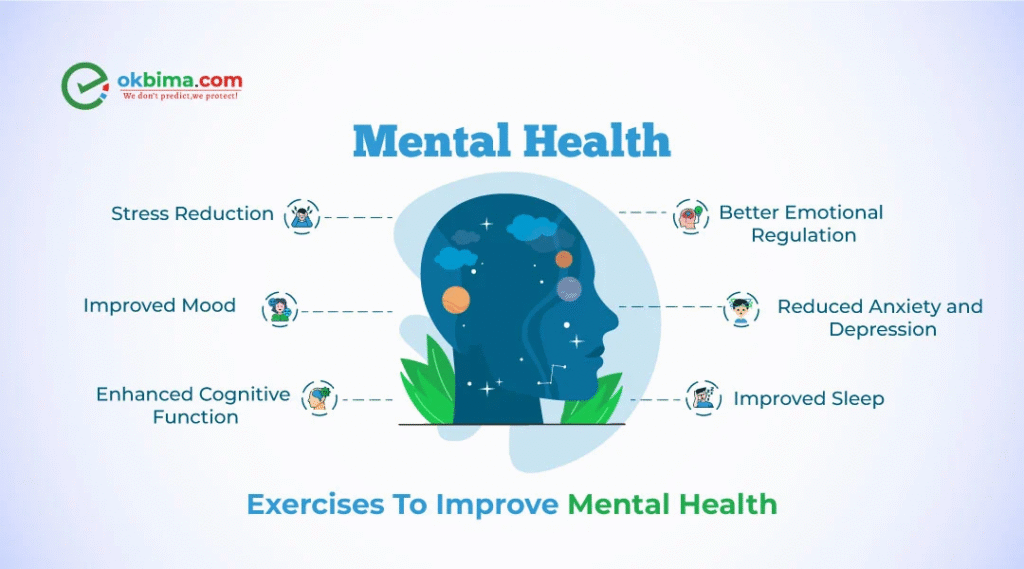
Rowing is not only beneficial for the body but also for the mind. The repetitive, rhythmic nature of rowing can have a calming effect, helping reduce stress and mental fatigue. Many people find rowing to be almost meditative, allowing them to focus on breathing and movement while disconnecting from daily pressures.
Additionally, rowing stimulates the release of endorphins—natural chemicals that improve mood and promote a sense of well-being. Regular rowing workouts can help reduce anxiety, boost confidence, and improve overall mental resilience. This makes rowing a powerful tool for supporting both physical and emotional health.
Rowing Machine Benefits for Different Fitness Goals
One of the most practical rowing machine benefits is its adaptability. Beginners can start with short, low-resistance sessions to build confidence and technique. As fitness improves, intensity, resistance, and workout duration can be gradually increased to match new goals.
For athletes and advanced users, rowing offers high-intensity interval training, endurance sessions, and power-focused workouts. It is also widely used in rehabilitation settings due to its controlled, low-impact movement. This versatility makes rowing suitable for nearly everyone, regardless of age, experience, or fitness objectives.
Home Workout and Convenience Benefits
Rowing Machine Benefits are ideal for home workouts because they provide a complete exercise solution in one piece of equipment. Instead of needing separate machines for cardio and strength training, rowing combines both. Many modern Rowing Machine Benefits are compact or foldable, making them practical even in smaller living spaces.
From a time and cost perspective, rowing is highly efficient. Short workouts can still deliver impressive results, making it easier to stay consistent. Over time, investing in a Rowing Machine Benefits can also reduce the need for gym memberships, offering long-term convenience and value.
Conclusion
The benefits of using a Rowing Machine Benefits extend far beyond simple fitness. From full-body strength and cardiovascular health to weight loss, mental well-being, and joint protection, rowing offers a comprehensive workout solution. Its adaptability makes it suitable for beginners, athletes, and everyone in between.
By incorporating rowing into your routine, you gain access to a sustainable, efficient, and rewarding form of exercise. Whether your goal is improved health, better performance, or long-term fitness, the Rowing Machine Benefits stands out as one of the most effective tools available.
Frequently Asked Questions (FAQs)
What muscles does a Rowing Machine Benefits work?
Rowing works the legs, glutes, core, back, shoulders, and arms.
Is a rowing machine good for weight loss?
Yes, rowing burns high calories and supports fat loss through full-body engagement.
How long should I row for an effective workout?
20–30 minutes can be highly effective, depending on intensity.
Is rowing better than running or cycling?
Rowing offers a full-body, low-impact workout, unlike running or cycling.
Can beginners use a rowing machine safely?
Yes, rowing is beginner-friendly when proper technique is used.
How often should I use a rowing machine?
3–5 sessions per week is ideal for most fitness goals.
You May Also Read: Westbury on Trym