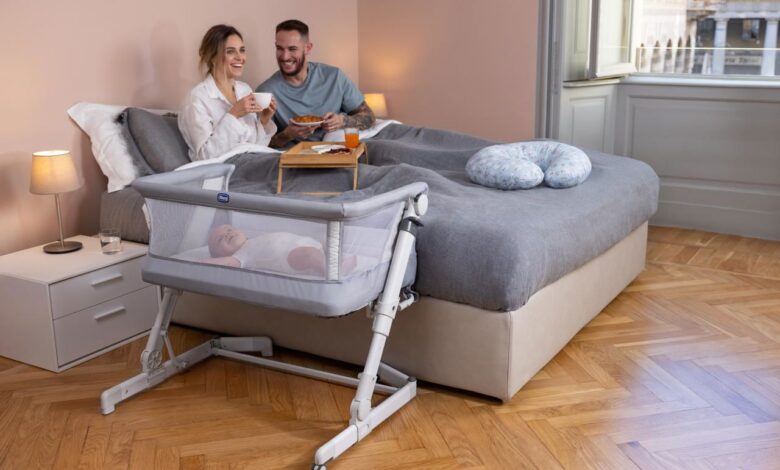
A next to me crib has become one of the most popular sleep solutions for new parents who want to keep their baby close during the night without sharing the same bed. Designed to sit securely alongside an adult bed, this type of crib allows parents to see, hear, and reach their baby easily while maintaining a separate, safe sleep space. For many families, it offers the perfect balance between closeness and safety, especially during the early newborn months.
Modern parenting places a strong emphasis on safe sleep practices, emotional bonding, and convenience—particularly during night-time feeds and soothing. A next to me crib supports all of these needs by making night care less disruptive. Instead of getting out of bed repeatedly, parents can respond quickly to their baby, which can lead to better sleep for everyone involved.
This guide explores everything parents need to know about next to me cribs, from safety considerations and benefits to choosing the right model and using it effectively. Whether you are expecting your first baby or looking for a better sleep setup, understanding how a next to me crib works can help you make a confident, informed decision.
What Is a Next to Me Crib?
A next to me crib is a bedside sleeping crib designed specifically for infants, typically from birth until around six months of age. It attaches or positions closely to the parent’s bed, often with one side that can be lowered or removed to create easy access. Unlike traditional cots, which are usually placed across the room, a next to me crib keeps the baby within arm’s reach while maintaining a separate sleep surface.
One of the key differences between a next to me crib and other baby sleep options is adjustability. Most models feature height-adjustable bases to ensure the crib mattress aligns perfectly with the parent’s mattress. This alignment is essential for safety and ease of access, especially during night-time feeds or comforting moments. Many next to me cribs also include breathable mesh sides, offering visibility and airflow.
These cribs are typically suitable for babies until they can sit up unaided, pull themselves up, or exceed the recommended weight limit. Materials often include lightweight metal frames, sturdy wooden structures, and firm, supportive mattresses that meet safety standards. Understanding these core features helps parents see why next to me cribs are considered a practical and modern sleep solution.
Benefits of Using a Next to Me Crib
One of the most significant benefits of a next to me crib is the support it offers for safe co-sleeping. Parents can enjoy the closeness of having their baby nearby without the risks associated with bed-sharing. This arrangement aligns with safe sleep guidance by providing a separate sleep surface while still promoting proximity.
Night-time feeding becomes much easier with a next to me crib, especially for breastfeeding parents. Being able to reach the baby without fully getting out of bed reduces disruption and helps both parent and baby return to sleep more quickly. Over time, this can lead to better rest and reduced exhaustion, which is crucial during the early weeks of parenting.
Beyond practicality, a next to me crib supports emotional bonding. Babies often feel more secure when they can sense their parent nearby, which may help them settle faster. For parents, the reassurance of seeing their baby at a glance can ease anxiety and improve overall peace of mind, particularly during the newborn stage.
Next to Me Crib Safety Considerations
Safety is the most important factor when choosing and using a next to me crib. Parents should always look for cribs that meet recognised safety standards and certifications. These standards ensure the crib has been tested for stability, durability, and safe materials, reducing the risk of accidents.
Proper setup is essential. The crib should be securely attached or positioned flush against the parent’s bed, with no gaps where a baby could become trapped. The mattress should be firm and fit snugly within the crib frame. Soft bedding, pillows, and toys should never be placed inside the crib, as they can pose suffocation risks.
Common safety mistakes include using the crib beyond its recommended age or weight limit, failing to lock adjustable parts, or placing the crib incorrectly. By carefully following manufacturer instructions and regularly checking the crib’s condition, parents can create a safe and reliable sleep environment for their baby.
How to Choose the Right Next to Me Crib
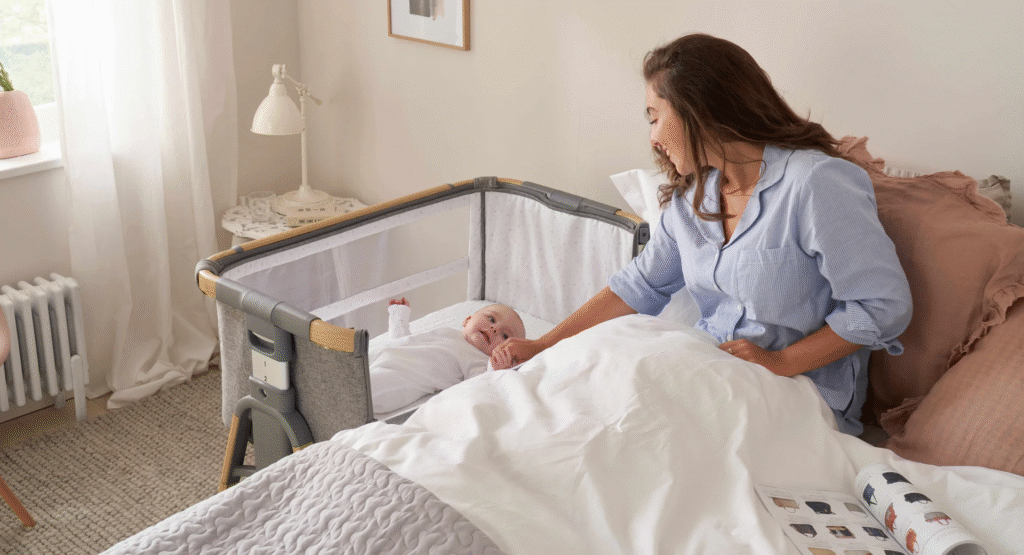
Choosing the right next to me crib involves considering both practicality and compatibility with your home. Bed height and frame style are critical factors, as not all cribs fit every bed. Adjustable height settings and secure attachment systems can make a significant difference in ease of use and safety.
Parents should also think about portability and features. Some next to me cribs include wheels for easy movement, rocking modes for soothing, or storage compartments for essentials. While these features can be helpful, they should never compromise stability or safety.
Budget is another consideration. While premium models may offer additional features and materials, many affordable next to me cribs meet the same safety standards. Comparing options based on functionality, durability, and long-term value helps parents find a crib that suits both their needs and budget.
Next to Me Crib Setup & Maintenance
Setting up a next to me crib correctly is key to ensuring safe use. Most cribs come with clear instructions, and it’s important to follow them step by step. Ensuring all parts are securely fastened and the crib is level with the bed helps prevent movement or gaps.
Regular maintenance keeps the crib hygienic and safe. Mattress covers and fabrics should be cleaned according to manufacturer guidelines, and the frame should be checked periodically for loose parts. Maintaining cleanliness is especially important for newborns, whose immune systems are still developing.
Parents should also know when it’s time to stop using the crib. Once a baby shows signs of sitting up or pulling themselves up, transitioning to a cot is recommended. Planning this transition early helps maintain safe sleep habits as the baby grows.
Conclusion
A next to me crib offers a thoughtful solution for parents seeking closeness, convenience, and safety during their baby’s early months. By combining a separate sleep space with bedside access, it supports modern safe sleep recommendations while making night-time care easier.
Choosing the right crib, setting it up correctly, and following safety guidelines can help parents enjoy the benefits with confidence. For many families, a next to me crib becomes an essential part of their newborn journey, supporting better sleep, bonding, and peace of mind.
Frequently Asked Questions (FAQs)
Is a next to me crib safe for newborns?
Yes, when used correctly and according to safety guidelines, next to me cribs are safe for newborns.
How long can a baby sleep in a next to me crib?
Most are suitable until around six months or until the baby can sit up unaided.
Can a next to me crib fit all bed types?
Not all cribs fit every bed, so checking compatibility and adjustability is important.
Is a next to me crib better than bed-sharing?
Yes, it provides closeness while maintaining a separate, safer sleep space.
When should I transition my baby to a cot?
Transition when your baby reaches the crib’s limits or shows signs of increased mobility.
You May Also Read: Very Customer Service