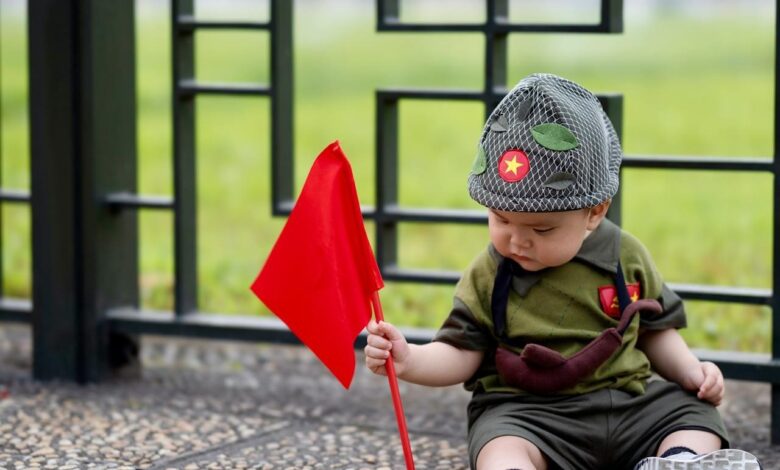
Watching a toddler wrestle with a superhero cape or try to put a hat on their teddy bear is always a moment of pure joy. It looks like simple fun on the surface. However, there is some serious work happening behind those giggles and costume changes.
Play is the primary way young children learn about their surroundings and themselves. When they slip into a character, they are not just changing clothes. They are stepping into new roles to test out how the world functions. This specific type of play acts as a rehearsal for life, providing a safe environment to learn big lessons.
Fosters Creativity and Imagination
A cardboard box easily becomes a rocket ship, and an old scarf transforms into a royal robe. This transformation is where the magic happens. Children take ordinary objects and infuse them with new meaning. It encourages them to look beyond the obvious and invent their own realities.
When you provide access to items like baby and toddler fancy dress options, you give them the physical tools to help build these new worlds. Even simple items can spark big ideas that keep them occupied for hours.
You might find that a specific outfit from a place like Smiffys helps kickstart a storyline they would not have thought of otherwise. The goal is to let their minds wander freely without boundaries or rules. This imaginative thinking is the root of innovation and creative problem solving they will use as adults.
Promotes Emotional Growth
Feelings can be big, confusing, and overwhelming for little ones. Pretending to be someone else gives them a safe space to practice emotions without the real-world stakes. If they act out a scene where a doll is sad, they learn how to offer comfort.
Maybe they become a scary lion to manage their own internal fears or frustrations. This role-playing builds empathy because they literally step into someone else’s shoes. It helps them understand that other people have feelings distinct from their own.
They get to experiment with being brave, sad, happy, or angry in a controlled environment. It builds emotional intelligence and helps them process their daily experiences.
Develops Social Skills
Playing pretend often involves others, whether it is with a sibling, a parent, or a friend. This interaction requires negotiation and teamwork. They have to agree on the rules of their imaginary universe. Who gets to be the captain? Who is the alien? These questions require answers that everyone accepts.
This back-and-forth teaches valuable lessons about sharing and taking turns. Cooperation becomes necessary to keep the game going. They learn to listen to ideas that differ from theirs and find a middle ground.
It is an early lesson in collaboration and conflict resolution that serves them well on the playground and beyond.
Boosts Language Development
Listen closely when a child is in character. You will likely hear words and phrases they do not use in everyday conversation. A “doctor” might use specific medical terms they heard at a checkup. A “teacher” might use a different tone of voice entirely.
They practice storytelling by creating a beginning, middle, and end to their play session. Narrating their actions helps solidify sentence structure and grammar naturally. It is much more effective than flashcards because the words have immediate context and emotional weight.
You May Also Read: Boxing Day Sales