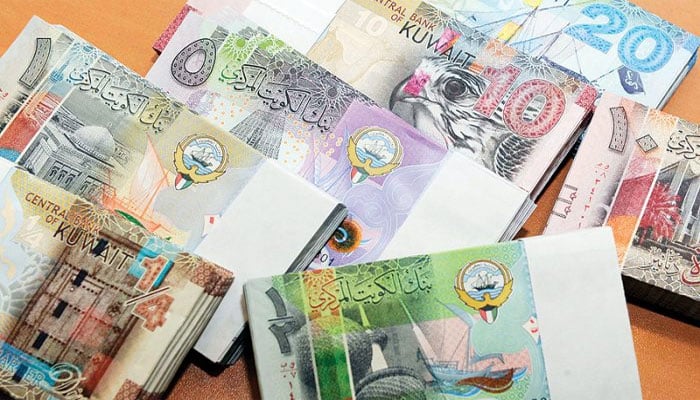
Kuwait currency holds a unique position in the global financial landscape. Known as the Kuwaiti Dinar (KWD), it is widely recognized as one of the strongest currencies in the world. Travelers, expatriates, investors, and economists alike often show interest in Kuwait currency due to its high value, stability, and economic backing. Understanding how the Kuwaiti Dinar works provides valuable insight into Kuwait’s economy and its role in international finance.
Unlike many countries where currency value fluctuates sharply, Kuwait currency has remained relatively stable over decades. This stability is not accidental; it is the result of sound monetary policy, strong oil revenues, and prudent financial management by the Central Bank of Kuwait. In this article, we explore the history, value, denominations, usage, and future of Kuwait currency in detail.
Overview of Kuwait Currency (Kuwaiti Dinar)
The official currency of Kuwait is the Kuwaiti Dinar, abbreviated as KWD. Introduced in 1961, the Kuwaiti Dinar replaced the Gulf Rupee after Kuwait gained independence. Since then, it has become a symbol of national sovereignty and economic strength. The currency is issued and regulated by the Central Bank of Kuwait, which is responsible for maintaining price stability and controlling inflation.
What makes Kuwait currency stand out globally is its high exchange value against major currencies such as the US Dollar, Euro, Indian Rupee, and Pakistani Rupee. Rather than being pegged to a single foreign currency, the Kuwaiti Dinar is linked to a basket of currencies, allowing it to remain resilient during global economic fluctuations. This system helps Kuwait protect its economy from external shocks while maintaining strong purchasing power.
History of Kuwait Currency
Before the introduction of the Kuwaiti Dinar, Kuwait relied on foreign currencies such as the Indian Rupee for trade. As the country’s oil industry expanded and independence was achieved, the need for a national currency became essential. In 1961, Kuwait launched its own currency, marking a major milestone in its economic development.
Over time, Kuwait currency has undergone several redesigns to improve security features and reflect national identity. Each new series of banknotes has incorporated advanced anti-counterfeiting measures, ensuring trust and reliability. Despite global economic crises, wars, and oil price fluctuations, the Kuwaiti Dinar has consistently maintained its strength, reinforcing Kuwait’s reputation as a financially stable nation.
Denominations of Kuwait Currency
Kuwait currency is available in both banknotes and coins, designed for practical everyday use as well as large financial transactions. Banknotes are issued in denominations such as ¼, ½, 1, 5, 10, and 20 Kuwaiti Dinars. These notes feature images that represent Kuwait’s culture, heritage, and development, including traditional boats, landmarks, and modern infrastructure.
Coins are issued in smaller denominations known as fils, which include 1, 5, 10, 20, 50, and 100 fils. While coins are less frequently used for large purchases, they remain important for daily transactions such as transportation, small retail purchases, and services. The thoughtful design and durability of Kuwait currency make it practical for both residents and visitors.
Value and Exchange Rate of Kuwait Currency
One of the most frequently asked questions is why Kuwait currency is so strong. The answer lies in Kuwait’s economic fundamentals. The country possesses vast oil reserves, which generate significant government revenue. This financial strength allows Kuwait to maintain a high-value currency without facing excessive inflation or debt pressure.
The exchange rate of Kuwait currency varies daily depending on global market conditions, but it consistently ranks among the highest-valued currencies worldwide. Against currencies like the US Dollar, Indian Rupee, and Pakistani Rupee, the Kuwaiti Dinar offers exceptional purchasing power. This makes Kuwait currency particularly attractive for expatriates sending remittances and investors seeking stable currency exposure.
Kuwait Currency and the Economy
Kuwait currency plays a crucial role in shaping the country’s economy. A strong currency reduces the cost of imports, making goods and services more affordable for residents. It also supports high living standards by preserving purchasing power. However, a strong currency can also make exports more expensive, which is why Kuwait’s economy relies heavily on oil rather than manufactured exports.
On an international level, Kuwait currency enhances investor confidence. The stability of the Kuwaiti Dinar signals strong governance, disciplined monetary policy, and economic resilience. As a result, Kuwait continues to attract foreign investment and maintain favorable credit ratings, further strengthening its financial position.
Using Kuwait Currency as a Traveler or Expat
For travelers and expatriates, understanding how to use Kuwait currency is essential. Money exchange services are widely available at banks, licensed exchange houses, and airports. While foreign currencies such as US Dollars may be accepted in limited situations, daily transactions in Kuwait are conducted almost exclusively in Kuwaiti Dinar.
In recent years, Kuwait has seen rapid growth in digital payments. Credit and debit cards are widely accepted, and mobile payment systems are increasingly popular. Despite this shift, cash remains important for small purchases, making it useful for visitors to carry some Kuwaiti Dinar at all times.
Rules and Regulations Related to Kuwait Currency
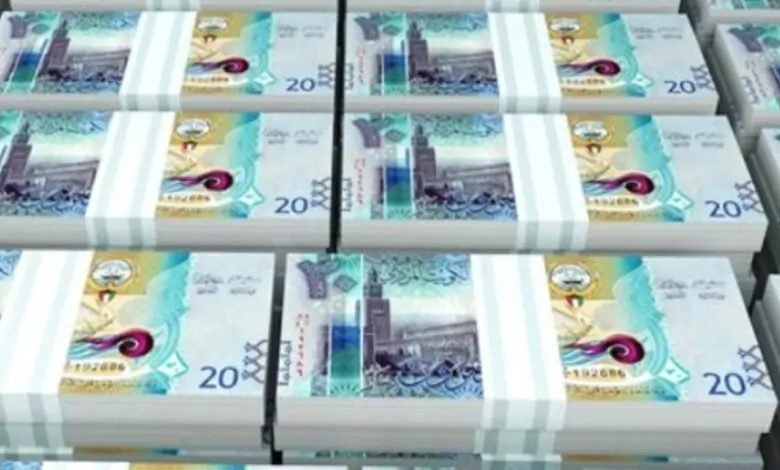
Kuwait enforces strict regulations regarding the handling and transportation of its currency. Travelers entering or leaving Kuwait must declare cash amounts above a specified limit to customs authorities. These regulations are designed to prevent money laundering and illegal financial activities.
Counterfeit currency laws in Kuwait are also strict. Possessing or using fake Kuwaiti Dinar notes can result in severe legal consequences. To protect consumers, Kuwait currency incorporates advanced security features such as watermarks, holograms, and color-shifting inks. Awareness of these features helps individuals identify genuine banknotes and avoid fraud.
Future of Kuwait Currency
The future of Kuwait currency appears stable and promising. While there is no immediate plan to replace the Kuwaiti Dinar with a digital currency, Kuwait continues to invest in financial technology and digital banking solutions. These innovations aim to improve efficiency without compromising currency stability.
Long-term economic diversification efforts may also influence the role of Kuwait currency. As the country reduces its dependence on oil and expands into sectors like finance, logistics, and technology, the Kuwaiti Dinar is expected to remain a symbol of economic strength and reliability.
Conclusion
Kuwait currency, represented by the Kuwaiti Dinar, is more than just a medium of exchange—it is a reflection of Kuwait’s economic stability, resource wealth, and prudent financial management. Its strong global value, secure design, and consistent performance make it one of the most respected currencies in the world.
Whether you are a traveler, expatriate, investor, or simply curious about global currencies, understanding Kuwait currency provides valuable insight into how a small nation maintains such a powerful economic position. With strong foundations and forward-looking policies, the Kuwaiti Dinar is likely to remain a benchmark of currency strength for years to come.
Frequently Asked Questions (FAQs)
What is the currency of Kuwait called?
The official currency of Kuwait is the Kuwaiti Dinar (KWD).
Why is the Kuwaiti Dinar the strongest currency in the world?
Its strength comes from oil wealth, economic stability, and a currency basket peg system.
What is the exchange rate of Kuwait currency?
Exchange rates vary daily and depend on global market conditions.
Can foreign currency be used in Kuwait?
Foreign currency is rarely accepted; Kuwaiti Dinar is required for most transactions.
Where can I exchange money in Kuwait?
Money can be exchanged at banks, exchange houses, and airports.
Are old Kuwaiti Dinar notes still valid?
Only officially recognized series are valid; older notes may need to be exchanged.
How much cash can I carry into Kuwait?
Cash above the legal limit must be declared to customs authorities.
You May Also Read: Kuwait Airways