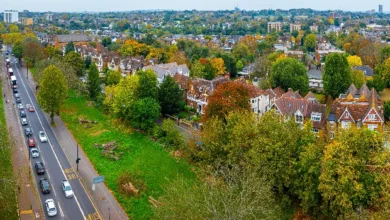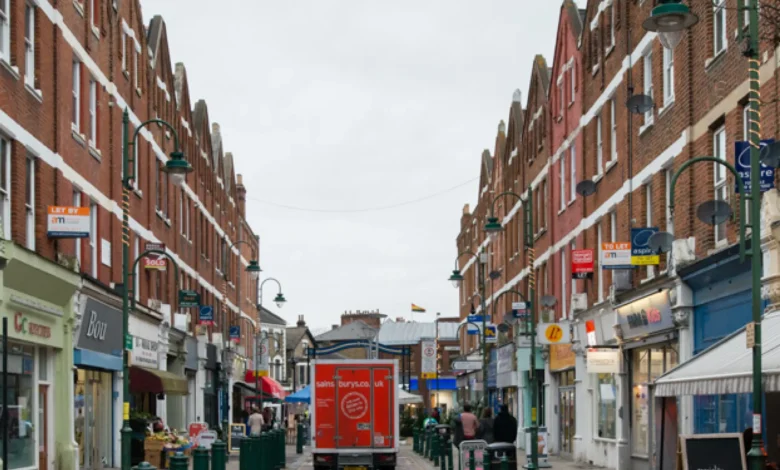
Balham is a vibrant neighborhood in South London, known for its lively streets, excellent transport links, and a unique blend of historic charm and modern living. Nestled between Clapham, Wandsworth, and Tooting, Balham has grown from a quiet village into one of London’s most desirable residential and cultural hubs. Its popularity is fueled by a combination of convenient commuting options, a variety of local amenities, green spaces, and a welcoming community atmosphere.
For residents, Balham offers an ideal balance between urban convenience and suburban tranquility. Commuters can reach central London in under 30 minutes, while families and professionals enjoy access to parks, schools, and leisure facilities. Tourists and visitors are drawn to Balham for its independent shops, boutique cafes, and a growing nightlife scene. The neighborhood is both historic and modern, blending Victorian architecture with contemporary developments, which creates a dynamic living environment.
This comprehensive guide explores Balham in depth, covering its history, lifestyle, local amenities, attractions, transport, and community. It aims to provide insights for potential residents, current locals, and visitors seeking to experience the best of Balham. From navigating the streets and exploring green spaces to finding the best cafes and understanding the local housing market, this guide ensures a complete understanding of what makes Balham a standout area in South London.
History and Background of Balham
Origins and Development
Balham’s history stretches back to the medieval period when it was primarily a small rural village surrounded by farmland and open fields. Its name is believed to derive from the Old English term “Balla’s ham,” indicating a homestead or settlement. For centuries, Balham remained relatively quiet, with local life centered around farming and small-scale trade.
The 19th century marked a turning point for Balham. The arrival of the railway in the 1850s connected the area to central London, attracting middle-class families and developers. This transport link spurred residential development, with rows of Victorian and Edwardian houses constructed to accommodate the growing population. By the early 20th century, Balham had established itself as a thriving suburban community, blending rural charm with urban accessibility.
Historical Landmarks
Balham retains several historical landmarks that reflect its past. Notable buildings include Victorian terraces, period pubs, and churches that have stood for over a century. These sites provide a glimpse into the architectural and social history of the area, showcasing the blend of heritage and modernity that defines Balham today.
World War II had a significant impact on Balham, including the tragic bombing of the Balham Underground station in 1940, which left a lasting mark on local history. Despite wartime destruction, the area rebuilt and continued to develop, reinforcing Balham’s resilience and adaptability.
Cultural Evolution
Over the years, Balham’s culture has evolved alongside its growing population. The neighborhood has been influenced by diverse communities, including waves of immigrants and young professionals attracted to South London. Today, Balham is celebrated for its inclusive, community-focused atmosphere. Local arts, music, and cultural initiatives thrive alongside markets, cafes, and public events, making it a culturally vibrant area that balances heritage with contemporary living.
Lifestyle and Living in Balham
Real Estate and Housing
Balham offers a wide range of housing options, from charming Victorian terraces and semi-detached homes to modern apartments and new developments. This variety caters to families, young professionals, and downsizers alike. Victorian houses, often with period features such as high ceilings and bay windows, remain highly sought after, while modern apartments appeal to commuters seeking convenience and contemporary amenities.
Property prices in Balham have steadily risen over the years, reflecting the area’s desirability and strong demand. Rental properties are also popular, particularly among professionals working in central London. When choosing housing in Balham, proximity to transport links, schools, and parks is often a key consideration, ensuring a balance between accessibility and lifestyle.
Local Amenities and Services
Balham boasts excellent local amenities, which contribute to its appeal as a residential hub. Families benefit from highly rated primary and secondary schools, while healthcare facilities, including clinics and general practitioners, provide essential services. Community centers, libraries, and gyms ensure that residents have access to recreational and educational resources.
Daily life in Balham is convenient thanks to a range of supermarkets, boutique shops, and specialist stores that cater to diverse tastes. Local markets, such as the Balham Farmers’ Market, offer fresh produce and artisanal goods, fostering a sense of community and supporting local vendors.
Dining, Shopping, and Nightlife
Balham has a thriving food and entertainment scene. From independent cafes serving artisan coffee to gourmet restaurants offering international cuisines, the area caters to varied culinary preferences. Pubs and bars provide lively nightlife, appealing to both young professionals and local residents seeking a social evening out.
Shopping in Balham combines boutique stores, high-street brands, and local markets, ensuring a diverse retail experience. The neighborhood’s unique combination of dining, shopping, and leisure contributes to its vibrant lifestyle, making it a desirable destination for both locals and visitors.
Attractions and Things to Do
Parks and Outdoor Spaces
Balham benefits from its proximity to expansive green spaces, including Balham Common and Tooting Bec Common. These parks offer walking trails, sports facilities, playgrounds, and picnic areas, providing ideal spaces for relaxation, exercise, and family outings. Residents frequently enjoy outdoor activities such as jogging, cycling, and dog walking, taking advantage of the leafy environment that surrounds the neighborhood.
Seasonal events, including outdoor markets and festivals, often take place in these spaces, fostering community engagement and providing recreational opportunities for all ages.
Cultural and Entertainment Venues
Balham is home to a variety of cultural and entertainment venues. Local theaters host plays, live music, and community events, while art galleries showcase both contemporary and traditional works. Libraries and community centers offer workshops, lectures, and cultural programs, ensuring a rich array of activities for residents and visitors alike.
Annual events, such as street festivals and food fairs, bring the community together and highlight the area’s creative and social vibrancy.
Hidden Gems and Local Experiences
Beyond the main attractions, Balham is full of hidden gems loved by locals. Quaint cafes, vintage shops, and boutique stores provide unique experiences that reflect the neighborhood’s personality. Exploring side streets often reveals charming spots for coffee, brunch, or leisurely walks, offering visitors an authentic taste of Balham life.
These local experiences, combined with parks, cultural venues, and dining options, make Balham a well-rounded neighborhood with something for everyone, whether for residents seeking lifestyle amenities or visitors exploring South London.
Transport and Connectivity

Public Transport Options
Balham is exceptionally well-connected, making it an ideal location for commuters. The Northern Line tube station provides quick access to central London, while National Rail services link Balham to other parts of the city and surrounding areas. Frequent buses complement these connections, ensuring smooth travel for daily commuters and visitors alike.
Traveling to central London from Balham typically takes 20–30 minutes, making it a convenient option for professionals. The area’s transport network also facilitates access to London’s airports, shopping districts, and cultural attractions.
Cycling and Walking Routes
Balham encourages sustainable commuting with extensive cycling lanes and pedestrian-friendly streets. Many residents combine walking or cycling with public transport for a flexible and environmentally conscious lifestyle. Green spaces like Balham Common and Tooting Bec Common are integrated into walking and cycling routes, promoting outdoor activity and easy navigation around the neighborhood.
Accessibility and Travel Tips
Striking a balance between convenience and safety, Balham provides accessible stations, parking facilities, and travel assistance for visitors. Peak hours can be busy, so planning trips and checking transport updates in advance helps ensure a smoother commute. The neighborhood’s connectivity, coupled with well-maintained streets and cycling paths, makes navigating Balham efficient and straightforward for both locals and visitors.
Community and Local Insights
Demographics and Population
Balham is home to a diverse population, including young professionals, families, and long-term residents. Its cultural diversity adds vibrancy to the neighborhood, influencing local food, arts, and social activities. Community initiatives often reflect this mix, fostering inclusion and engagement.
Local Initiatives and Community Projects
Residents actively participate in community projects, from local clean-up programs to neighborhood festivals and charity events. Local councils and associations play a key role in organizing initiatives, supporting sustainable living, and enhancing quality of life.
Living Tips and Advice
For new residents or visitors, understanding the neighborhood’s layout, amenities, and cultural offerings is key. Exploring Balham on foot, visiting local markets, and engaging with the community provides an authentic experience of the area. For families, proximity to schools and parks is important, while professionals may prioritize transport links and leisure options.
Conclusion
Balham is a dynamic South London neighborhood that offers a blend of historic charm, modern amenities, and a strong sense of community. Its excellent transport links, green spaces, cultural venues, and diverse dining and shopping options make it an attractive area for families, young professionals, and visitors. Balham balances convenience with lifestyle, offering residents and visitors alike the ability to enjoy urban living without sacrificing local character and community spirit.
Exploring Balham provides insight into South London’s evolving neighborhoods, demonstrating how heritage, culture, and modernity can coexist harmoniously. Whether visiting for leisure or considering moving to the area, Balham’s mix of amenities, attractions, and community engagement makes it a standout location in London.
Frequently Asked Questions (FAQs)
Where is Balham located in London?
Balham is in South London, between Clapham, Tooting, and Wandsworth.
What is Balham known for?
Balham is known for its vibrant community, green spaces, historic buildings, and a lively dining and shopping scene.
How is public transport in Balham?
Balham has excellent transport links, including the Northern Line, National Rail, and numerous bus routes.
What are the best parks and outdoor spaces in Balham?
Balham Common and Tooting Bec Common are popular spots for walking, cycling, and family activities.
Are there good schools and healthcare facilities in Balham?
Yes, the neighborhood offers highly rated schools, clinics, and healthcare services for residents.
What kind of dining and nightlife options are available?
Balham has a variety of restaurants, cafes, pubs, and bars, catering to diverse tastes and lifestyles.
Is Balham suitable for families and young professionals?
Yes, Balham is ideal for families due to its parks and schools, and for young professionals because of excellent transport links and a vibrant social scene.
You May Also Read: Stratford Station