Shakenhurst Hall is a historic country house located near Bayton in Worcestershire, England, known for its architectural importance, long estate history, and connection with generations of landowners. The property stands within a rural landscape that reflects the traditional character of the English countryside, where historic homes were closely linked with farmland, woodland, and local communities. With origins dating back several centuries, Shakenhurst Hall provides a valuable insight into the development of country estates and the changing role of historic houses in England.
The importance of Shakenhurst Hall comes from more than its age. The building represents different periods of English architectural history, including seventeenth-century design and later eighteenth-century alterations. Recognised as a Grade II* listed building, the hall is protected because of its special architectural and historical interest. Its story includes family ownership, estate management, conservation, and the challenges involved in preserving a significant country house for future generations.
The History and Origins of Shakenhurst Hall
The history of Shakenhurst Hall is connected with the long development of the Shakenhurst estate and the rural communities surrounding Bayton in Worcestershire. The area has ancient roots, and the estate has been associated with historic families who shaped the land and contributed to the local history of the region. Country houses like Shakenhurst Hall traditionally served as the centre of large estates, combining residential life with farming, land management, and community influence.
The present house dates mainly from the seventeenth century, although the site has much older historical connections. Over time, the building underwent changes as different generations adapted it to changing lifestyles and expectations. One of the most important periods of alteration took place in 1798, when the house was remodelled, adding later architectural influences while maintaining its earlier character.
The history of Shakenhurst Hall reflects the wider story of English country estates. These properties were not simply homes for wealthy families; they were working landscapes that supported agriculture, employment, and local economic activity. The survival of Shakenhurst Hall provides an example of how historic estates evolved while retaining links to their original purpose and setting.
Ownership History and Estate Legacy
Shakenhurst Hall has been connected with several historic families throughout its long history. Records associated with the property highlight links with families including the de Shakenhursts, de Meyseys, Wigleys, Wicksteds, and Severnes. These changing ownership periods reflect the way English estates often passed between families through inheritance, marriage, and property transfers.
The connection between families and estates was an important part of country house history. Owners were responsible not only for maintaining the main residence but also for managing farmland, woodland, buildings, and the wider landscape. At Shakenhurst Hall, this relationship between the house and estate helped shape its identity as a historic rural property.
The estate gained wider attention when it entered the property market after a long period of family association. The sale attracted interest because large historic estates with centuries of documented history rarely become available. The story of Shakenhurst Hall demonstrates how heritage properties continue to attract attention because of their architectural value, landscape importance, and connection with England’s past.
Architectural Features of Shakenhurst Hall
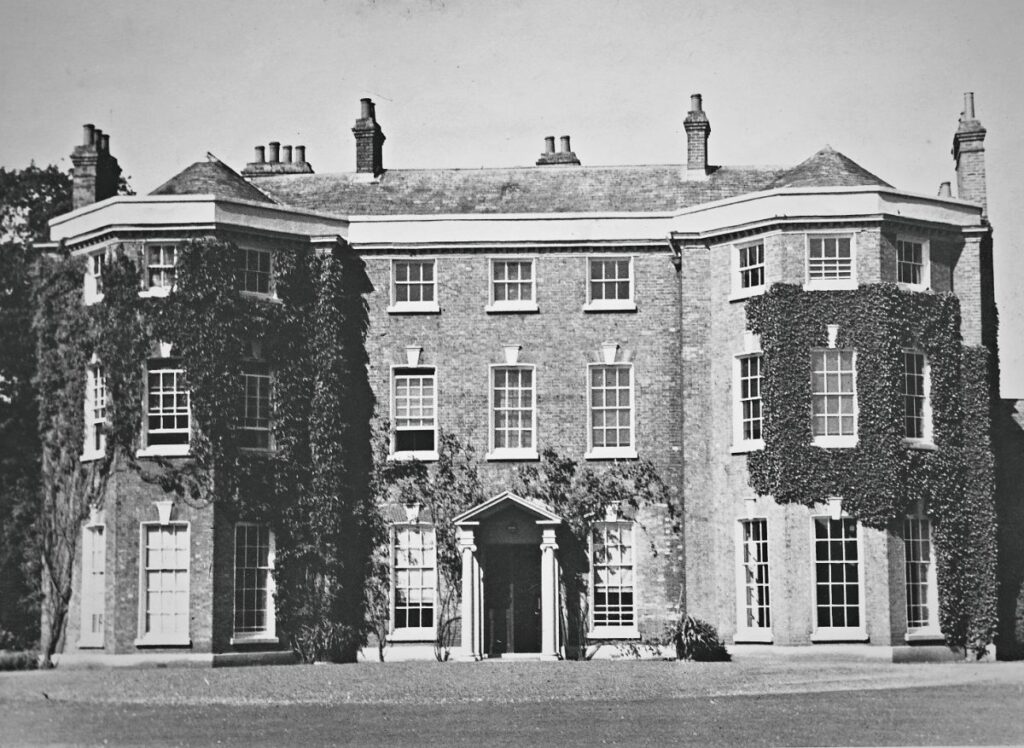
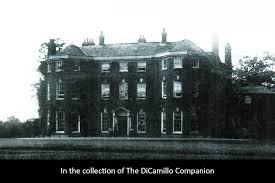
The architecture of Shakenhurst Hall reflects the evolution of English country house design. The building is a seventeenth-century country house with later alterations, creating a combination of historic character and eighteenth-century refinement. Constructed in red brick, the house displays traditional features associated with substantial rural residences of its period.
Important architectural details include its two-and-a-half-storey design, sash windows, and carefully arranged exterior appearance. The building also features an Ionic-columned porch, which adds classical influence to the entrance design. These elements demonstrate the attention given to proportion, symmetry, and decorative detail that was common in important country houses.
Inside, Shakenhurst Hall contains features that contribute to its heritage importance. Historic descriptions mention elements such as a seventeenth-century oak staircase, linenfold panelling, moulded cornices, and significant fireplaces. These details help show how craftsmanship played an important role in historic homes, where interiors were designed to reflect both practical living and architectural quality.
Grade II* Listed Status and Heritage Importance
Shakenhurst Hall is recognised as a Grade II* listed building, placing it among properties considered particularly important due to their architectural and historical interest. Listed status helps protect significant buildings by ensuring that their important characteristics are preserved and that changes are carefully considered.
The Grade II* classification reflects the quality and importance of Shakenhurst Hall as a historic country house. The designation recognises not only the physical structure but also the survival of important features that provide evidence of past building traditions, interior design, and estate life.
Preserving historic buildings such as Shakenhurst Hall is important because they provide a direct connection with previous generations. They allow people to understand how families lived, how rural estates operated, and how architectural styles changed over centuries. The hall’s listed status ensures that its heritage value remains recognised.
The Shakenhurst Estate and Countryside Setting
The setting of Shakenhurst Hall is an essential part of its identity. Located in the Worcestershire countryside near Bayton and Kidderminster, the estate is surrounded by the type of rural landscape traditionally associated with English country houses. The relationship between the house, gardens, farmland, and woodland contributes to the character of the property.
Reports about the estate have highlighted its large scale, with the wider Shakenhurst Estate covering around 1,300 acres. Historically, estates of this size played an important role in agricultural production and countryside management. The land surrounding the main house was not simply decorative but formed an important part of the estate’s economic and environmental value.
The rural location also adds to the appeal of Shakenhurst Hall. Worcestershire is known for its countryside views, historic villages, and peaceful landscapes. The combination of architectural heritage and natural surroundings makes Shakenhurst Hall an example of how English country houses were designed as complete environments rather than isolated buildings.
The Famous Shakenhurst Hall Property Sale
Shakenhurst Hall became widely recognised in property circles when the estate was offered for sale in 2010. The sale attracted attention because of the property’s long history and its connection with generations of owners. Large estates with extensive land, historic houses, and architectural significance are relatively rare in the modern property market.
The estate later gained further attention when it was reported as being sold again in 2014. The sale was notable because it represented only the second time the property had changed ownership since the fourteenth century, according to reports at the time. This unusual history helped make Shakenhurst Hall a nationally recognised example of a historic estate entering the modern market.
The sale history of Shakenhurst Hall also highlights the challenges faced by owners of large heritage properties. Maintaining historic buildings requires significant care, investment, and planning. Modern owners often need to balance conservation responsibilities with practical uses that allow these important buildings to survive.
Shakenhurst Hall Today and Its Continuing Legacy
Today, Shakenhurst Hall remains an important example of England’s historic country houses. While many traditional estates have disappeared or been significantly altered, properties like Shakenhurst Hall continue to preserve architectural features and connections to the past. Its survival demonstrates the importance of protecting heritage buildings while allowing them to remain relevant.
The modern significance of Shakenhurst Hall comes from its combination of history, architecture, and landscape. It represents centuries of changes in English society, from traditional estate management to the modern challenges of preserving historic properties. Each period of its development has added another layer to its story.
For historians, architecture enthusiasts, and people interested in England’s heritage, Shakenhurst Hall offers a valuable example of how a country house can reflect wider social and architectural changes. Its importance is not only found in the building itself but also in the stories connected with the people, families, and landscapes surrounding it.
Exploring the Area Around Shakenhurst Hall
The area surrounding Shakenhurst Hall provides a typical Worcestershire countryside experience, with rural roads, villages, farmland, and historic landscapes. Visitors interested in the region can explore the wider character of the county, which combines natural beauty with centuries of agricultural and architectural heritage.
Nearby areas around Bayton and Kidderminster offer opportunities to discover local history, countryside walks, and traditional English villages. The region provides a quieter alternative to urban destinations while still offering access to important locations across Worcestershire and the wider West Midlands.
Although Shakenhurst Hall itself is a private historic property, its history contributes to the wider heritage appeal of the area. The estate remains an example of how individual buildings can help preserve the identity and traditions of the English countryside.
Conclusion
Shakenhurst Hall is a remarkable Worcestershire country house with centuries of history, distinctive architecture, and a strong connection to England’s estate tradition. From its seventeenth-century origins and eighteenth-century alterations to its Grade II* listed status and historic ownership story, the hall represents the lasting importance of heritage properties.
The story of Shakenhurst Hall shows how historic buildings continue to hold cultural value long after their original purpose changes. Through careful preservation, these properties provide insight into architecture, family history, rural life, and the evolution of the English landscape. Shakenhurst Hall remains an important part of Worcestershire’s heritage and a fascinating example of Britain’s historic country houses.
FAQs
Where is Shakenhurst Hall located?
Shakenhurst Hall is located near Bayton in Worcestershire, England, close to the Kidderminster area.
When was Shakenhurst Hall built?
The present Shakenhurst Hall dates mainly from the seventeenth century, with later alterations including major changes made in 1798.
Is Shakenhurst Hall a listed building?
Yes, Shakenhurst Hall is a Grade II* listed building because of its special architectural and historical importance.
Which families were connected with Shakenhurst Hall?
The estate has historical connections with families including the de Shakenhursts, de Meyseys, Wigleys, Wicksteds, and Severnes.
What architectural features does Shakenhurst Hall have?
The hall features red brick construction, sash windows, an Ionic porch, a seventeenth-century oak staircase, linenfold panelling, and historic interior details.
How large is the Shakenhurst Estate?
The estate has been reported as covering around 1,300 acres of countryside, farmland, and woodland.
Why did Shakenhurst Hall become famous?
The property gained attention because of its long ownership history and its rare appearance on the market after centuries of family connections.
Can the public visit Shakenhurst Hall?
Shakenhurst Hall is a private historic property, so public access may be limited, but the surrounding Worcestershire area can be explored.
You May Also Read: 1 Campden Hill