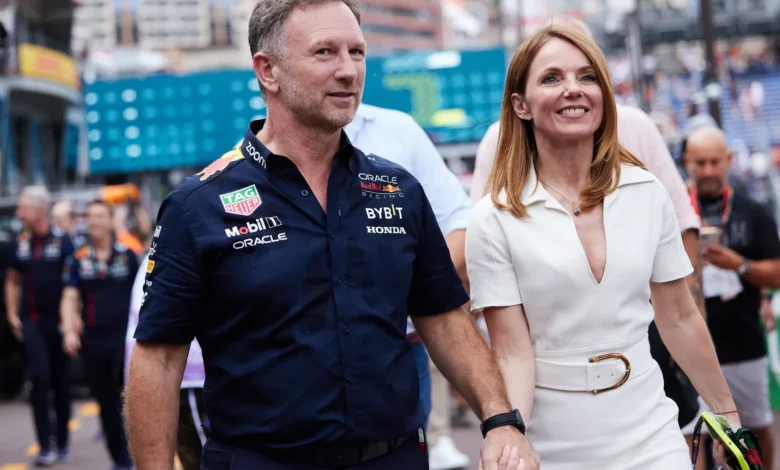
Christian Horner is one of the most recognizable and influential figures in modern Formula 1. As the long-serving Team Principal of Red Bull Racing, he has played a central role in transforming a relatively young team into one of the most dominant forces the sport has ever seen. Known for his sharp intellect, confident media presence, and relentless competitiveness, Horner has become synonymous with Red Bull’s aggressive yet calculated approach to Formula 1. His journey reflects not only personal ambition but also the evolution of the sport itself over the last two decades.
Beyond race wins and championships, Christian Horner represents a new-generation Formula 1 leader—one who blends business acumen, technical understanding, and political awareness. He has successfully navigated rule changes, intense rivalries, and constant public scrutiny while maintaining Red Bull Racing’s position at the front of the grid. Understanding Horner’s career offers valuable insight into how modern Formula 1 teams are built, managed, and sustained at the highest level of motorsport.
Early Life and Background
Christian Horner was born on November 16, 1973, in Leamington Spa, England, into a family with strong ties to the automotive industry. His grandfather and father were involved in the car business, which naturally exposed him to motorsport culture from a young age. This environment helped shape his early passion for racing, encouraging him to pursue a path that combined competitive spirit with technical curiosity. Horner’s upbringing laid the foundation for his later ability to understand both the sporting and commercial sides of Formula 1.
Before stepping into management, Christian Horner pursued a racing career of his own. He competed in various junior categories, including Formula Renault and Formula 3, gaining firsthand experience of the demands placed on drivers and teams. While his racing career did not reach Formula 1, it proved invaluable. Horner developed a deep understanding of driver psychology, team dynamics, and the operational side of motorsport. Recognizing his strengths lay beyond the cockpit, he transitioned into team management—an early decision that would define his legacy.
Rise in Formula 1 Management
Christian Horner’s breakthrough came when he founded Arden International, a junior racing team that achieved significant success in Formula 3000. His accomplishments as a team owner caught the attention of Red Bull, which was preparing to enter Formula 1 after purchasing the Jaguar Racing team in 2004. In a bold and unconventional move, Red Bull appointed the then 31-year-old Horner as Team Principal, making him the youngest in Formula 1 history at the time.
From the outset, Christian Horner faced skepticism from rivals and insiders alike. However, he quickly proved his capability by assembling a strong technical and operational structure. His leadership emphasized long-term vision rather than short-term gains. By fostering innovation, encouraging internal competition, and backing talented individuals, Horner created a team culture that thrived under pressure. This approach allowed Red Bull Racing to evolve from midfield contenders into championship challengers within just a few seasons.
Championship Success and Dominance
The first major validation of Christian Horner’s leadership came during the Sebastian Vettel era. Between 2010 and 2013, Red Bull Racing secured four consecutive Constructors’ and Drivers’ Championships, marking one of the most dominant periods in Formula 1 history. Horner’s ability to align technical excellence, strategic clarity, and driver confidence was central to this success. His partnership with key figures, including renowned designer Adrian Newey, demonstrated his talent for empowering experts while maintaining overall control.
In the modern era, Horner successfully guided Red Bull Racing through the sport’s hybrid transformation and into renewed dominance with Max Verstappen. Under his leadership, the team adapted to major regulation changes and fierce competition, particularly against Mercedes. Horner’s strategic aggression, willingness to challenge governing bodies, and unwavering support for his drivers helped Red Bull reclaim its place at the top. These achievements reinforced his reputation as one of the most effective team principals in Formula 1 history.
Leadership Style and Management Philosophy

Christian Horner’s leadership style is often described as assertive, calculated, and highly communicative. He is deeply involved in all aspects of team operations, from technical development to race strategy and media relations. Unlike more reserved leaders, Horner embraces public debate and psychological warfare, understanding the importance of perception in elite motorsport. This visibility helps protect his team while applying pressure to competitors.
Internally, Horner is known for fostering loyalty and long-term commitment. He places strong emphasis on team unity and clear accountability, ensuring every department understands its role in the broader vision. His experience as a former driver allows him to communicate effectively with racers, balancing performance demands with personal support. This blend of empathy and authority has helped Red Bull Racing maintain stability even during periods of intense scrutiny and change.
Controversies and Challenges
No high-profile Formula 1 career is without controversy, and Christian Horner’s tenure has been no exception. Over the years, he has been involved in regulatory disputes, political standoffs, and media-driven controversies. His outspoken nature often places him at the center of debates regarding technical regulations, budget caps, and competitive fairness. Rather than avoiding conflict, Horner frequently uses it as a strategic tool to protect Red Bull’s interests.
Despite these challenges, Horner has demonstrated resilience and adaptability. He understands that Formula 1 is as much a political arena as it is a sporting competition. By managing crises decisively and maintaining focus on performance, he has prevented off-track issues from derailing on-track success. This ability to operate effectively under constant pressure is a defining aspect of his leadership legacy.
Personal Life and Public Image
Christian Horner’s personal life has also attracted public attention, particularly due to his marriage to singer Geri Halliwell. While maintaining a high-profile family life, Horner balances the demands of global motorsport with personal commitments. This balance contributes to his composed demeanor and ability to handle the relentless Formula 1 calendar.
In recent years, Horner’s popularity has expanded beyond traditional motorsport audiences, aided by media exposure and documentary series that highlight behind-the-scenes dynamics. His articulate communication style and confident presence have made him one of the most recognizable faces in Formula 1, contributing to the sport’s growing global appeal.
Legacy and Future in Formula 1
Christian Horner’s impact on Formula 1 extends far beyond race results. He has helped redefine what it means to be a modern team principal, combining strategic leadership with public engagement and technical understanding. Under his guidance, Red Bull Racing has become a benchmark for operational excellence and competitive longevity.
Looking ahead, Horner’s future remains closely tied to Formula 1, whether continuing to lead Red Bull Racing or influencing the sport in broader leadership roles. Regardless of what lies ahead, his legacy as one of Formula 1’s most successful and influential figures is firmly established.
Conclusion
Christian Horner’s journey from aspiring racing driver to championship-winning Formula 1 team principal is a story of vision, adaptability, and relentless ambition. Through strategic leadership and bold decision-making, he has shaped Red Bull Racing into a dominant force and left an enduring mark on the sport. His career offers valuable lessons in leadership, resilience, and innovation within one of the most competitive environments in global sport.
Frequently Asked Questions (FAQs)
Who is Christian Horner?
Christian Horner is the Team Principal and CEO of Red Bull Racing in Formula 1.
How long has Christian Horner led Red Bull Racing?
He has been Team Principal since Red Bull Racing entered Formula 1 in 2005.
How many championships has Christian Horner won?
Under his leadership, Red Bull Racing has won multiple Constructors’ and Drivers’ Championships.
What is Christian Horner known for?
He is known for his leadership style, media presence, and role in building Red Bull Racing’s dominance.
Is Christian Horner still active in Formula 1?
Yes, Christian Horner continues to play a central role in Formula 1 as Red Bull Racing’s team principal.
You May Also Read: Westfield Stratford