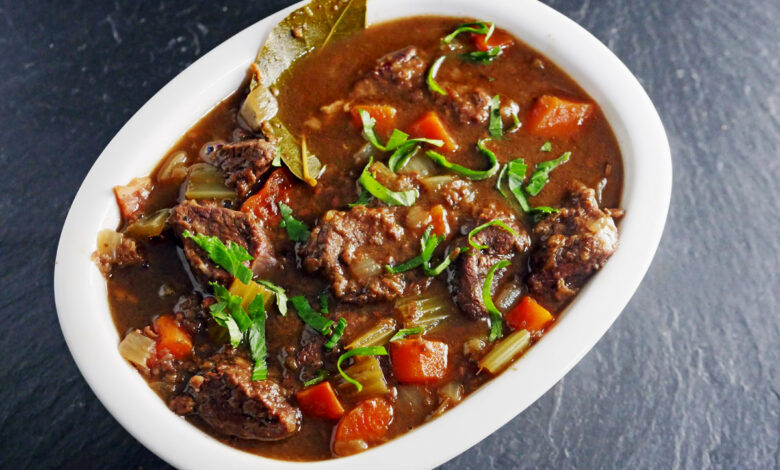
Venison casserole is a classic dish that embodies the essence of hearty, home-cooked meals. Its rich, earthy flavors and tender meat make it a favorite during colder months or whenever comfort food is in demand. Unlike traditional beef or lamb casseroles, venison offers a leaner, more intensely flavored meat, which transforms beautifully when slow-cooked with aromatic vegetables, herbs, and a robust sauce.
The appeal of venison casserole extends beyond taste. It is often considered a more sustainable and ethically sourced alternative to common meats, particularly when obtained from responsibly managed wild or farmed sources. Its naturally low fat content, combined with high protein and micronutrient density, makes it a healthier choice for families and individuals looking to enjoy indulgent meals without compromising nutrition.
This article serves as a comprehensive guide to making the perfect venison casserole. We will explore the best cuts of venison for slow cooking, preparation tips, various cooking techniques, and recipe variations. Additionally, we’ll examine the health benefits of venison, provide serving suggestions, and offer tips for maximizing flavor while keeping the dish nutritious. By the end of this guide, readers will feel confident in creating a delicious, tender venison casserole that can become a staple in their culinary repertoire.
Understanding Venison for Casseroles
Choosing the right cut of venison is crucial for a successful casserole. Cuts from the shoulder, neck, or shin are ideal because they contain more connective tissue and collagen, which break down during long, slow cooking. This results in meat that is tender, succulent, and deeply flavorful. In contrast, lean cuts like loin or haunch may dry out or become tough if cooked for extended periods.
Venison is known for its distinct, gamey flavor. This intensity can vary depending on the animal’s diet, age, and whether it is wild or farmed. Wild venison tends to have a more pronounced earthy taste, while farmed venison can be milder and more consistent in texture. Understanding these characteristics helps in balancing flavors in the casserole, ensuring that the meat complements the vegetables, herbs, and liquids used.
Nutritionally, venison is exceptional. It is low in fat, high in protein, and rich in essential vitamins and minerals such as iron, zinc, and B vitamins. These qualities make it not only a tasty ingredient but also a beneficial one for maintaining overall health. By choosing appropriate cuts and understanding venison’s unique properties, cooks can achieve a flavorful, tender, and nutrient-rich casserole every time.
Preparing Venison for Cooking
Preparation plays a vital role in achieving a rich and tender venison casserole. Marinating the meat is highly recommended, especially for wild venison, as it helps mellow the strong flavors while infusing additional aromatics. Common marinades include red wine, olive oil, garlic, rosemary, and juniper berries, which complement the natural earthiness of the meat. Ideally, marinate for several hours or overnight to maximize flavor penetration.
Proper cutting and trimming are also essential. Remove any sinew, excess fat, or tough connective tissue before cooking. Cutting the venison into uniform cubes ensures even cooking, allowing the meat to tenderize consistently throughout the slow-cooking process. Additionally, lightly browning the venison in a hot pan before adding it to the casserole enhances the flavor through caramelization, creating a rich, deep base for the dish.
Seasoning is another critical step. Simple herbs and spices like thyme, bay leaves, black pepper, and garlic pair perfectly with venison. Consider layering flavors by adding aromatics such as onions, carrots, and celery at the start of cooking. These not only add complexity but also contribute to the sauce’s depth and richness. Pre-cooking considerations, including marination and searing, provide a strong foundation for the casserole and ensure that the venison reaches its full flavor potential.
Cooking Techniques for Venison Casserole
Slow cooking is the cornerstone of a successful venison casserole. Whether using a stovetop, oven, or slow cooker, low and steady heat ensures that the meat becomes tender without drying out. Typically, venison casseroles are cooked for 2–4 hours, depending on the cut and size of the pieces. Cooking at a gentle simmer allows the collagen in the meat to break down, resulting in a rich, unctuous texture that melts in the mouth.
The choice of cooking liquid greatly affects the flavor of the casserole. Stock, broth, or a combination of wine and stock are commonly used. Red wine, in particular, adds depth and enhances the earthy flavors of venison. The addition of root vegetables, mushrooms, and aromatic herbs contributes both texture and flavor, creating a balanced, hearty dish. Stirring occasionally ensures that the meat and vegetables cook evenly and the sauce develops a silky, cohesive consistency.
Vegetables play a dual role in venison casseroles. Not only do they provide complementary flavors, but they also help thicken the sauce as they break down during cooking. Carrots, parsnips, potatoes, and celery are traditional choices, while mushrooms add umami richness. Balancing the ratio of meat to vegetables is key to creating a satisfying, wholesome casserole. With proper technique and careful attention to ingredients, even novice cooks can achieve a casserole with tender meat and a deeply flavorful sauce.
Venison Casserole Recipes and Variations
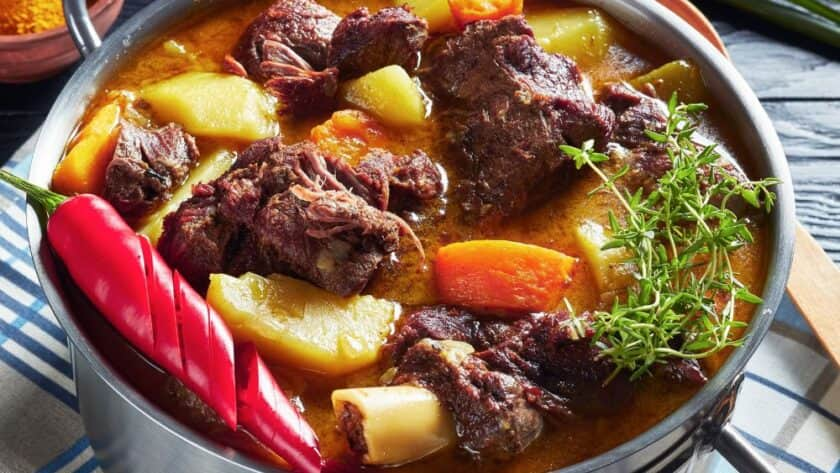
Classic venison casserole recipes focus on simplicity and depth of flavor. A traditional British venison casserole might include red wine, stock, carrots, onions, celery, and a bouquet garni of thyme, bay leaf, and parsley. Slow-cooked for several hours, the result is a dish with tender meat and a rich, savory sauce that can be served with mashed potatoes, crusty bread, or buttered noodles.
Modern variations allow for creative twists. Adding exotic spices like smoked paprika, cinnamon, or star anise can give the dish a unique flavor profile. Alternative vegetables, such as sweet potatoes or root vegetable medleys, provide color, texture, and nutritional balance. One-pot casseroles are particularly convenient, combining meat, vegetables, and sauce in a single vessel for minimal cleanup and maximum flavor integration.
Venison casserole is also highly adaptable for family-friendly meals. Adjusting seasoning levels and incorporating familiar ingredients like potatoes or peas makes it approachable for children or picky eaters. Leftovers can be stored and reheated, often tasting even better the next day as the flavors continue to meld. Serving suggestions include creamy mashed potatoes, buttery polenta, or fresh bread to soak up the flavorful sauce, making venison casserole a comforting and satisfying centerpiece for any meal.
Health and Nutritional Considerations
Venison is a nutritious alternative to more traditional red meats. Its high protein content supports muscle maintenance, satiety, and overall energy levels, while its low fat content reduces calorie intake and supports heart health. Essential minerals like iron and zinc promote healthy blood and immune function, while B vitamins support metabolism and energy production.
Cooking methods can influence nutrient retention. Slow cooking preserves most vitamins and minerals while enhancing digestibility. Pairing venison with nutrient-dense vegetables like carrots, parsnips, and celery increases fiber and antioxidant intake, resulting in a balanced, healthful dish. Moderating salt and using fresh herbs instead of heavy seasoning also improves nutritional quality.
Venison casserole can be a wholesome addition to a balanced diet when portion sizes are controlled and paired with healthy sides. Its lean profile, combined with slow-cooked vegetables, makes it suitable for families, individuals watching their fat intake, and anyone seeking a hearty yet nutritious meal. By focusing on fresh ingredients and mindful cooking, venison casserole becomes both delicious and beneficial for health.
Conclusion
Venison casserole is a versatile, flavorful, and nutritious dish that combines the rich taste of wild game with the comfort of slow-cooked meals. Choosing the right cut, properly preparing the meat, and employing slow-cooking techniques ensure tender, melt-in-the-mouth results. By experimenting with classic recipes or creative variations, cooks can tailor the dish to suit different tastes, occasions, and dietary needs.
Beyond flavor, venison casserole provides significant nutritional benefits. Its high protein content, low fat profile, and abundance of essential vitamins and minerals make it a healthful alternative to other red meats. Combining venison with vegetables and aromatic herbs creates a balanced, hearty meal suitable for family dinners, special occasions, or simply enjoying as a comforting winter dish. With careful preparation and a few simple techniques, venison casserole can become a staple in any kitchen, offering a delicious and satisfying culinary experience.
Frequently Asked Questions (FAQs)
What cut of venison is best for a casserole?
Shoulder, neck, and shin are ideal for slow-cooking, as they contain connective tissue that breaks down into tender, flavorful meat.
How long should venison be cooked for a tender casserole?
Typically 2–4 hours on low heat, depending on the cut and size of the pieces, until the meat is tender and sauce is rich.
Can venison casserole be made in a slow cooker?
Yes, slow cookers are perfect for venison casseroles, allowing gentle, even cooking over several hours.
Do I need to marinate venison before cooking?
Marinating is recommended, especially for wild venison, to tenderize the meat and infuse additional flavors.
What vegetables pair best with venison casserole?
Root vegetables like carrots, parsnips, potatoes, and mushrooms complement the meat’s flavor and enhance the sauce.
Is venison healthier than beef for casseroles?
Yes, venison is leaner, higher in protein, and lower in fat compared to beef, making it a healthier option.
Can leftovers be frozen safely?
Yes, store in airtight containers and freeze for up to 3 months. Reheat gently to preserve texture and flavor.
How can I enhance the flavor of venison casserole without overpowering the meat?
Use herbs, aromatics, and wine or stock to enrich the flavor, balancing rather than masking the natural gamey taste.
You May Also Read: Smoked Haddock