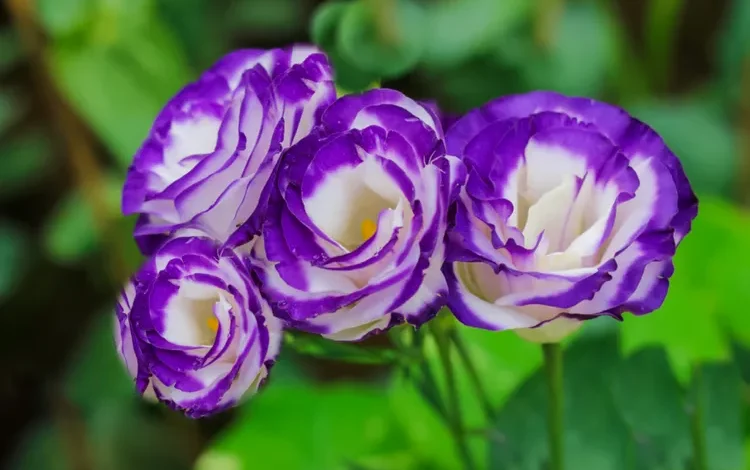
Lisianthus, also known as Eustoma grandiflorum, is one of the most captivating flowers in both gardens and floral arrangements. Its delicate, rose-like blooms, vibrant colors, and long-lasting nature have made it a favorite among gardeners, florists, and flower enthusiasts worldwide. Often compared to roses and peonies for its elegant appearance, Lisianthus has a charm that transcends ordinary garden flowers. Its versatility makes it ideal for bouquets, wedding arrangements, and decorative gardening, adding a touch of sophistication wherever it is used.
Beyond its visual appeal, Lisianthus carries symbolic meanings. In floral language, it often represents appreciation, gratitude, and elegance, making it an excellent gift choice for loved ones or celebratory events. Gardeners appreciate it not only for its beauty but also for the challenge and satisfaction of cultivating such a stunning plant. Its adaptability allows it to thrive in outdoor gardens as well as indoor pots, provided the right care is given.
This comprehensive guide will delve into everything you need to know about Lisianthus—from understanding its origins and varieties to tips on growing, caring, and creatively using it. Whether you’re a beginner gardener, a florist, or simply an admirer of beautiful blooms, this guide provides essential insights to make the most of Lisianthus in your life and garden. By the end, you’ll have a deep appreciation for why this flower remains a beloved classic in horticulture and floral artistry.
Understanding Lisianthus
What is Lisianthus?
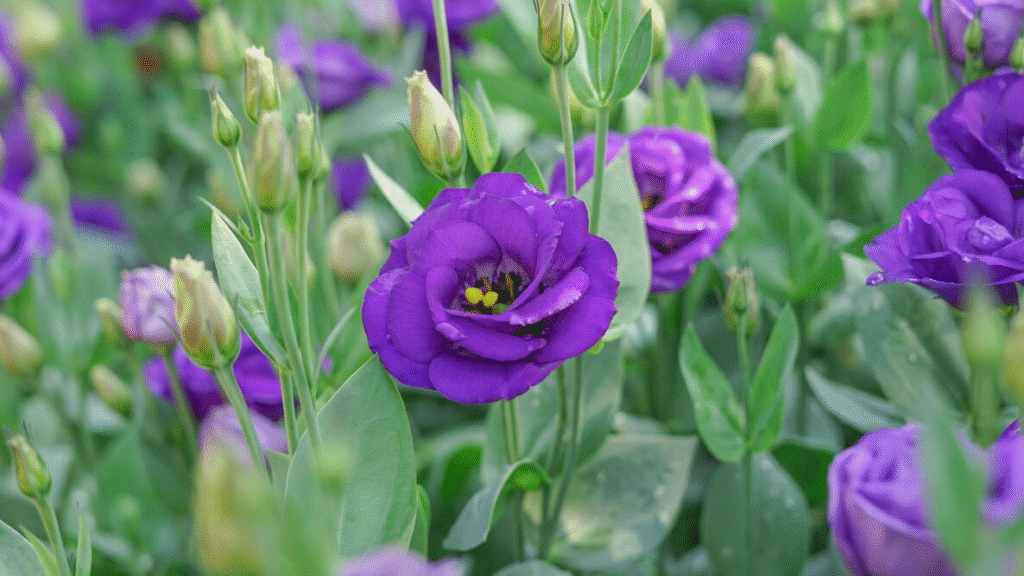
Lisianthus is a perennial plant native to North and Central America, particularly found in the prairies and grasslands of the United States. Known for its elegant, ruffled petals and bell-shaped blooms, Lisianthus belongs to the Gentian family, which includes a variety of wildflower species. The flowers range in color from pure white to soft pinks, purples, and even deep blues, often featuring delicate two-toned petals that create an ethereal appearance. The blooms can grow singly or in clusters, giving the plant a versatile presence in both garden beds and floral arrangements.
The plant typically grows between 12 to 36 inches in height, depending on the variety, and features slender stems with lance-shaped leaves. Lisianthus prefers well-draining soil and moderate sunlight, making it adaptable to a variety of climates. Its natural growth pattern encourages bushy, elegant forms, perfect for both mass plantings and container gardening. Many gardeners are drawn to Lisianthus because of its ability to bloom for extended periods, offering continuous color throughout the growing season.
One of the unique features of Lisianthus is its long vase life when cut. Unlike many flowers that fade quickly, Lisianthus can remain vibrant for up to two weeks, making it highly valued in floristry. Its delicate, yet sturdy nature allows it to complement a wide range of flowers, from roses and lilies to greenery, creating balanced and visually appealing arrangements. This combination of garden appeal and floral utility has cemented Lisianthus as a favorite in both professional and amateur gardening circles.
History and Cultural Significance
Lisianthus has a fascinating history that intertwines horticulture and cultural symbolism. While the plant originates from North American grasslands, it gained popularity in European gardens in the 19th century. Early botanists were captivated by its rose-like appearance and long blooming period, introducing it into formal garden designs and decorative floral displays. Over time, Lisianthus became a staple in wedding bouquets and celebratory arrangements due to its association with elegance, charm, and refinement.
In the language of flowers, Lisianthus often conveys messages of gratitude, appreciation, and sophistication. Florists frequently choose it to express heartfelt sentiments without the intensity associated with roses. Its delicate appearance and graceful petals make it a symbol of elegance and refinement, suitable for both personal gifts and ceremonial decorations. Moreover, Lisianthus has been featured in art and literature, often symbolizing beauty and fleeting moments of joy, further embedding it in cultural appreciation beyond gardening.
The growing popularity of Lisianthus in modern horticulture reflects both its aesthetic value and symbolic resonance. Gardeners and florists alike appreciate its combination of resilience, adaptability, and striking appearance. Over the decades, selective breeding has introduced a range of colors and forms, making it possible for enthusiasts to find Lisianthus suited to various climates, garden designs, and artistic applications. Its historical and cultural significance enhances the allure of cultivating or gifting this elegant flower, creating a connection between nature, art, and human sentiment.
Types and Varieties
Lisianthus is celebrated for its diversity in color, bloom form, and growth habit. Common varieties include single-bloom Lisianthus, which produces elegant solitary flowers, and double-bloom varieties with full, rose-like petals that create a dramatic visual impact. Colors range from soft whites, creams, and pinks to striking purples, deep blues, and occasionally greenish hues. Two-toned flowers are particularly popular for wedding bouquets and high-end floral arrangements.
Specialty cultivars have been developed for both commercial growers and home gardeners. These cultivars often feature longer stems, increased resistance to disease, and compact growth habits ideal for container gardening. Taller varieties are preferred for cut flowers due to their long, graceful stems, while bushier types enhance garden aesthetics by providing continuous blooms throughout the season. Rarer colors such as deep red, peach, or violet-blue are prized among collectors and florists, often commanding higher market value.
Understanding these varieties helps gardeners and florists select Lisianthus that suits their specific needs, whether for ornamental planting, cut flower production, or floral arrangements. With careful selection and care, Lisianthus can thrive in various settings, from backyard gardens to professionally managed flower farms. Its adaptability and aesthetic appeal ensure that it remains a favorite among both casual and professional enthusiasts.
Growing Lisianthus
Soil and Climate Requirements
Lisianthus thrives in well-draining soil with a slightly alkaline to neutral pH, ideally between 6.5 and 7.5. Sandy loam or garden soil enriched with organic matter provides the best environment for root development. Proper drainage is critical, as the plant is susceptible to root rot if waterlogged. Gardeners should consider raised beds or containers with good drainage if planting in areas prone to heavy rainfall.
Climate plays a significant role in the successful cultivation of Lisianthus. The plant prefers moderate temperatures ranging from 65°F to 75°F during the day and cooler nights around 55°F to 60°F. Excessive heat can hinder blooming, while frost can damage young plants or buds. For gardeners in cooler climates, starting Lisianthus indoors before transplanting or using protective covers can extend the growing season. Exposure to bright, indirect sunlight encourages optimal growth and bloom production.
Regular monitoring of soil moisture, sunlight, and temperature ensures healthy plant development. Mulching around the base of the plant helps retain soil moisture and suppress weeds, while also regulating soil temperature. Understanding the soil and climate requirements of Lisian thus sets the foundation for a thriving, long-lasting garden display that produces vibrant, abundant flowers throughout the season.
Planting Tips
Lisianthus can be grown from seeds or young seedlings, though starting from seeds requires patience and careful attention. Seeds should be sown indoors 10–12 weeks before the last expected frost, using a light, well-draining seed mix. Maintaining consistent moisture and moderate temperatures is crucial during germination, which typically takes 10–14 days. Once seedlings develop two sets of true leaves, they can be gradually acclimated to outdoor conditions before transplanting.
When planting directly in the garden, space Lisianthus plants about 6–12 inches apart to allow adequate air circulation, reducing the risk of disease. Selecting a location with full sun exposure enhances flower production and promotes healthy foliage. Careful handling during transplanting is important, as Lisian thus has delicate roots that are easily damaged. Applying a balanced, slow-release fertilizer at planting helps establish strong growth and encourages early blooms.
Regular maintenance, including removing weeds and monitoring for pests, contributes to a thriving Lisianthus garden. Gardeners should avoid overcrowding, as this can lead to poor air circulation and increased susceptibility to fungal diseases. By following careful planting practices, both beginners and experienced gardeners can enjoy abundant blooms and long-lasting plants.
Watering and Fertilization
Consistent watering is key to healthy Lisianthus growth, but overwatering should be avoided. Deep, infrequent watering encourages strong root development, while light, frequent watering may cause shallow roots and increased susceptibility to disease. Mulching helps retain moisture while reducing evaporation, ensuring the plant receives adequate hydration without waterlogging the soil.
Fertilization plays a vital role in promoting continuous blooms. Balanced, water-soluble fertilizers applied every two to four weeks during the growing season provide essential nutrients for strong stems, lush foliage, and vibrant flowers. Organic options, such as compost teas or fish emulsion, can also support healthy growth while enriching the soil. Over-fertilization should be avoided, as excessive nitrogen can promote foliage growth at the expense of blooms.
For gardeners seeking extended flowering, periodic application of a bloom-promoting fertilizer encourages repeated flowering cycles. Monitoring the plant’s response to watering and fertilization helps adjust care routines as needed, ensuring Lisian thus thrives both in gardens and containers. Proper hydration and nutrition lay the foundation for long-lasting, elegant blooms.
Caring for Lisianthus
Pruning and Maintenance
Deadheading spent flowers is essential for promoting new blooms in Lisianthus. Removing faded or dying flowers prevents energy from being wasted on seed production and redirects it toward the development of fresh buds. Regular pruning also helps maintain the plant’s shape, encouraging bushier growth and preventing legginess.
Supporting tall stems with stakes or plant supports prevents bending or breakage, especially during windy conditions. Trimming lower leaves that may touch the soil reduces the risk of fungal infections and improves air circulation around the base of the plant. Combined with careful watering and fertilization, pruning and maintenance ensure Lisianthus remains vigorous and aesthetically pleasing throughout the growing season.
Pest and Disease Management
Common pests affecting Lisianthus include aphids, thrips, and spider mites, which can damage leaves and flowers. Regular inspection and early intervention are crucial to prevent infestations from spreading. Organic solutions such as neem oil or insecticidal soaps can effectively manage these pests without harming beneficial insects.
Diseases such as powdery mildew, root rot, and botrytis blight may also impact Lisian thus, particularly in humid or poorly drained environments. Preventative measures include proper spacing, adequate airflow, and avoiding overhead watering. Selecting disease-resistant varieties further reduces risk. Prompt removal of infected foliage helps contain outbreaks and maintains overall plant health.
Winter Care and Lifespan
In colder climates, Lisianthus requires winter protection. Mulching or using frost cloths shields the roots from freezing temperatures, while indoor cultivation can extend the plant’s lifespan. Although Lisianthus is technically a perennial, it is often grown as an annual in regions with harsh winters.
With proper care, Lisian thus can bloom repeatedly over a season, producing vibrant flowers for several months. Understanding seasonal care and environmental needs ensures gardeners can enjoy the beauty and elegance of this flower year after year.
Using Lisianthus
Floral Arrangements and Bouquets
Lisianthus is a favorite in floral arrangements due to its long vase life and striking appearance. Its soft, elegant petals pair well with roses, lilies, and greenery, creating sophisticated bouquets for weddings, anniversaries, or special occasions. Two-toned varieties add depth and visual interest, while single-color blooms provide a minimalist elegance that complements modern décor.
Proper care of cut Lisianthus, including recutting stems and changing water regularly, ensures flowers remain vibrant for up to two weeks. Florists value Lisian thus for its versatility, as it works beautifully in both tight hand-tied bouquets and large centerpiece arrangements.
Garden Design and Landscaping
In gardens, Lisianthus adds texture, color, and vertical interest. Planting in clusters or mixed beds enhances visual impact, while companion plants such as lavender, salvia, or ornamental grasses create complementary contrasts. Its upright growth habit makes it ideal for borders, edging, or container displays.
The plant’s long-lasting blooms also attract pollinators, contributing to a healthy and dynamic garden ecosystem. Strategic placement within garden designs ensures that Lisianthus remains both functional and decorative, creating a serene and elegant outdoor space.
DIY and Craft Ideas
Beyond gardening and floral use, Lisianthus can be incorporated into DIY projects. Dried flowers can adorn wreaths, homemade candles, or resin-based crafts. Seasonal arrangements for holidays, celebrations, or gifts allow crafters to showcase Lisianthus’ delicate beauty in unique and creative ways.
These projects not only extend the life of the flowers but also provide a personal, artistic touch to décor. Creative applications of Lisian thus transform it from a garden staple into a versatile medium for expression and design.
Conclusion
Lisianthus is a truly remarkable flower, combining elegance, versatility, and cultural significance. Its striking blooms, long-lasting nature, and symbolic meanings make it a favorite among gardeners, florists, and flower enthusiasts. By understanding its growth requirements, practicing attentive care, and exploring creative uses, anyone can enjoy the beauty of Lisian thus in gardens, bouquets, and crafts. Whether used to elevate floral arrangements, enhance landscapes, or inspire DIY projects, Lisianthus stands as a symbol of refinement, charm, and natural artistry.
FAQs
What is the ideal climate for growing Lisianthus?
Lisianthus thrives in moderate temperatures between 65–75°F during the day and cooler nights around 55–60°F.
How long do Lisianthus flowers bloom?
Individual blooms can last up to two weeks when cut, while plants can produce continuous flowers throughout the season.
Can Lisianthus grow indoors successfully?
Yes, with sufficient light, well-draining soil, and careful temperature control, Lisianthus can thrive indoors.
What are the most common pests affecting Lisianthus?
Aphids, thrips, and spider mites are common pests, manageable with organic sprays or insecticidal treatments.
How do you propagate Lisianthus from seeds?
Start seeds indoors 10–12 weeks before the last frost, maintain consistent moisture and temperature, and transplant seedlings after acclimation.
Are Lisianthus flowers edible or safe for pets?
Lisianthus is generally non-toxic but is not typically considered edible. Always supervise pets to prevent ingestion.
How should Lisianthus be stored as cut flowers for maximum longevity?
Recut stems under water, change water regularly, and place in a cool, shaded area to prolong vase life.
You May Also Read: Sea Glass