Windermere, located in the heart of England’s Lake District, is one of the UK’s most visited outdoor destinations. Famous for its expansive lake, rolling hills, and picturesque villages, Windermere attracts millions of visitors each year. However, one of the most important factors influencing any trip to this region is Windermere weather. The climate plays a major role in shaping travel plans, outdoor activities, and overall visitor experience.
Unlike urban destinations with predictable conditions, Windermere weather is shaped by its unique geography. Surrounded by hills and open water, the area experiences fast-changing conditions that can shift from sunshine to rain within hours. For walkers, boaters, and families alike, understanding local weather patterns is essential for both enjoyment and safety.
This guide offers an in-depth look at Windermere weather throughout the year. From seasonal conditions and monthly trends to packing tips and the best times to visit, this article is designed to help travellers plan confidently while embracing the natural unpredictability that makes the Lake District so special.
Windermere Weather Overview
Windermere has a temperate maritime climate, typical of much of the UK but amplified by its lakes and surrounding fells. This means mild summers, cool winters, and rainfall spread fairly evenly across the year. Extreme temperatures are rare, but frequent changes in conditions are common, particularly when weather systems move quickly across the hills.
Average summer temperatures in Windermere usually range between 15°C and 20°C, while winter temperatures often sit between 1°C and 7°C. Frost can occur in colder months, and higher ground may experience snow even when lakeside areas remain clear. The presence of the lake helps moderate temperatures, preventing severe heat in summer and extreme cold in winter.
Rainfall is a defining feature of Windermere weather. The Lake District is one of the wettest regions in England, with rain contributing to its lush green landscapes. While this may sound off-putting, rainfall often arrives in short bursts rather than constant downpours. Understanding this helps visitors plan flexible itineraries and make the most of dry spells.
Windermere Weather by Season
Spring Weather in Windermere
Spring in Windermere, from March to May, is a season of gradual change. Temperatures begin to rise, typically ranging from 8°C to 15°C, while daylight hours noticeably increase. The countryside comes alive with blooming flowers, fresh greenery, and wildlife activity, making it a visually rewarding time to visit.
Rainfall remains common in spring, but showers are often lighter than in winter. Weather conditions can change quickly, with crisp mornings giving way to mild afternoons. Walkers and photographers particularly enjoy this season, as paths are quieter and landscapes look fresh after winter rains.
Summer Weather in Windermere
Summer is the most popular season for visitors, thanks to warmer temperatures and longer days. Average highs range from 18°C to 22°C, though occasional heatwaves can push temperatures slightly higher. Despite summer being the driest season, rainfall is still frequent, often arriving as sudden showers.
The warmth makes summer ideal for boating, swimming, and hiking. However, visitors should be prepared for crowds and changing weather. Even on sunny days, wind and cloud cover can roll in quickly, especially in the hills.
Autumn Weather in Windermere
Autumn brings cooler temperatures and dramatic scenery. From September to November, temperatures gradually fall from around 15°C to single digits. Rainfall increases, but the reward comes in the form of golden foliage and quieter tourist spots.
This season is perfect for those who enjoy scenic walks and photography. While conditions can be wet, autumn weather often brings clear, crisp days between showers, offering stunning views across the lake and surrounding fells.
Winter Weather in Windermere
Winter in Windermere is calm, atmospheric, and often overlooked. Temperatures typically range from 1°C to 7°C, with frost common in the mornings. Snowfall is occasional at lake level but more frequent on higher ground, creating dramatic winter landscapes.
Shorter daylight hours and colder conditions make winter better suited for cosy stays, lakeside walks, and indoor attractions. Weather conditions can be unpredictable, so checking forecasts is essential when travelling during this season.
Monthly Windermere Weather Breakdown
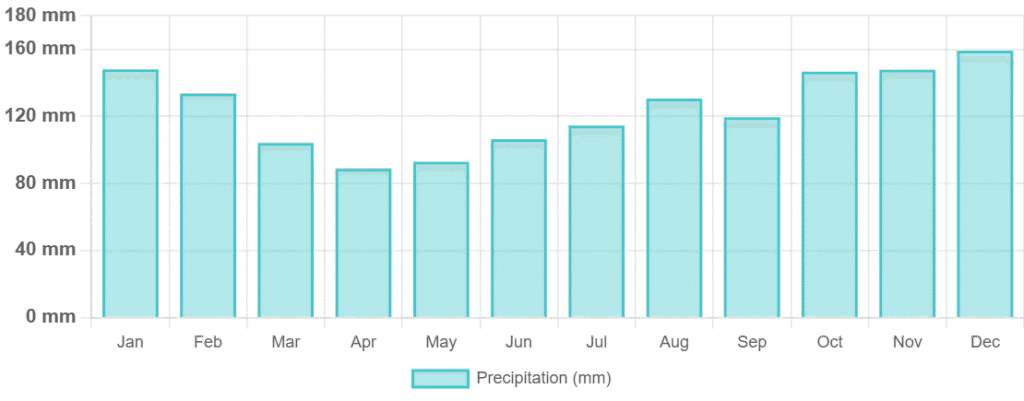
A month-by-month view of Windermere weather helps travellers choose the best time to visit. January and February are the coldest months, with fewer visitors and peaceful surroundings. March and April see improving conditions, while May often marks the start of warmer, drier days.
June, July, and August are the warmest months, attracting families and outdoor enthusiasts. September and October balance mild temperatures with reduced crowds, making them favourites for couples and walkers. November and December bring colder weather, festive charm, and quieter attractions.
Rainfall remains fairly consistent across months, but late autumn and winter tend to be wetter. Sunshine hours peak in summer, while winter days are shorter and more subdued. Understanding these patterns allows visitors to plan around both comfort and crowd levels.
Windermere Weather Forecast & Accuracy
Weather forecasting in Windermere is generally reliable for short-term planning, especially within 48 to 72 hours. However, due to the region’s geography, conditions can change rapidly. A forecast of light rain can quickly turn into sunshine—or vice versa—within the same day.
Visitors are advised to check forecasts regularly and use trusted UK weather services. Paying attention to hourly updates rather than daily summaries provides a clearer picture. For hill walkers, specialist mountain forecasts are particularly important, as conditions at higher elevations can differ significantly.
Flexibility is key when dealing with Windermere weather. Planning alternative indoor activities ensures that a rainy day does not disrupt the entire trip.
Best Time to Visit Based on Windermere Weather
The best time to visit Windermere depends largely on personal preferences. Those seeking warm weather and outdoor adventure often choose late spring or summer. Visitors who prefer quieter surroundings and dramatic scenery may find autumn more appealing.
Spring offers a balance between mild weather and manageable crowds, while winter appeals to travellers who enjoy peaceful landscapes and cosy accommodations. Each season brings its own charm, and there is no single “perfect” time—only the best time for your travel style.
Balancing weather, accommodation costs, and visitor numbers is essential. Shoulder seasons such as May and September often provide the best overall experience.
What to Pack for Windermere Weather
Packing appropriately is crucial for enjoying Windermere weather. Waterproof jackets, sturdy walking shoes, and layered clothing are essential year-round. Even in summer, temperatures can drop suddenly, especially near the lake or in the hills.
In winter, warm layers, gloves, and waterproof boots are recommended. Spring and autumn visitors should focus on flexibility, packing for both mild sunshine and rain. A small backpack for day trips helps carry extra layers and essentials.
Being prepared allows visitors to embrace the weather rather than avoid it, making the experience more enjoyable regardless of conditions.
Conclusion
Windermere weather is an integral part of what makes the Lake District so captivating. While it may be unpredictable, it shapes the region’s beauty, landscapes, and atmosphere throughout the year. By understanding seasonal patterns and planning accordingly, visitors can enjoy everything Windermere has to offer.
Whether visiting in summer sunshine, autumn mist, or winter calm, the key to a successful trip is preparation and flexibility. With the right mindset, Windermere weather becomes part of the adventure rather than an obstacle.
FAQs
What is the best month to visit Windermere for good weather?
May and September offer mild temperatures and fewer crowds.
Does Windermere get a lot of rain?
Yes, rainfall is common throughout the year, but often comes in short showers.
Is Windermere suitable for hiking year-round?
Yes, but winter hiking requires extra care and proper equipment.
Does it snow in Windermere?
Snow is occasional at lake level and more common on higher ground.
How accurate are Windermere weather forecasts?
Short-term forecasts are reliable, but conditions can change quickly.
What should I wear in Windermere in summer?
Light layers, waterproofs, and comfortable walking shoes.
Is Windermere windy?
Winds vary, with stronger gusts possible near the lake and hills.
Can weather affect lake cruises?
Yes, strong winds or storms may cause temporary disruptions.
You May Also Read: Simon Cowell Son