British Garbage Truck: Complete Guide to UK Bin Lorries, RCV Types, Features, Costs, and Waste Collection

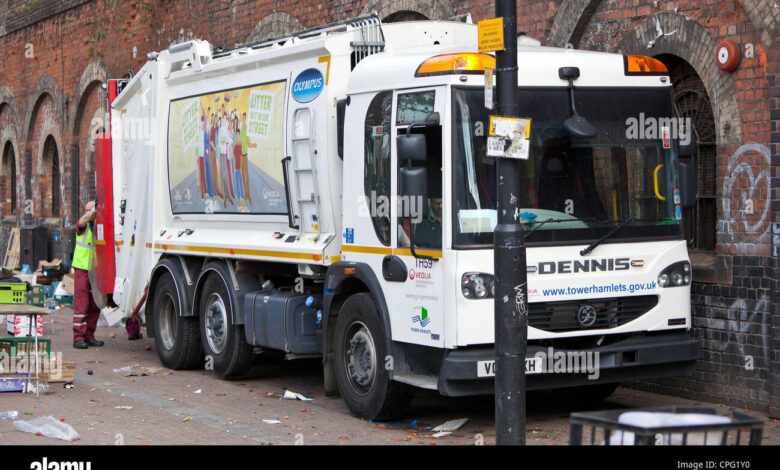
When people search for a British garbage truck, they are often looking for information about the vehicles that collect rubbish and recycling across the United Kingdom. In Britain, these vehicles are commonly known as bin lorries, refuse trucks, or Refuse Collection Vehicles (RCVs). They are specially designed to collect household waste, commercial rubbish, and recyclable materials while operating efficiently on UK roads, including narrow residential streets and busy city areas.
A modern British garbage truck is much more than a simple waste carrier. Today’s refuse collection vehicles combine hydraulic lifting systems, advanced safety equipment, route management technology, and cleaner engine options to improve efficiency and reduce environmental impact. Councils and private waste companies depend on these vehicles every day to maintain public hygiene, support recycling programs, and manage the growing demands of urban waste collection.
Understanding how British garbage trucks work, what types are used, how much they cost, and why they are different from waste vehicles in other countries provides valuable insight into one of the most important but often overlooked parts of modern infrastructure.
What Is a British Garbage Truck Called in the UK?
The term British garbage truck is widely used internationally, but people in the United Kingdom usually use different names for these vehicles. The most common everyday term is bin lorry, while the official industry term is Refuse Collection Vehicle (RCV). Other traditional names include dustcart and bin wagon, although these terms are less commonly used today.
A Refuse Collection Vehicle is designed specifically for collecting and transporting waste from homes, businesses, and public areas. Unlike ordinary trucks, RCVs include specialised equipment such as hydraulic lifting mechanisms, waste compactors, and purpose-built storage bodies. These features allow waste teams to collect large amounts of rubbish efficiently while reducing manual handling.
The reason British terminology differs from other countries is largely connected to local language and road conditions. In the United States, people commonly say “garbage truck” or “trash truck,” while in Britain “bin lorry” is the phrase most residents recognise. However, all these terms describe vehicles performing the same essential function: collecting waste and transporting it for recycling, processing, or disposal.
The design of a British garbage truck is also influenced by UK environments. Many British towns have older streets, smaller roads, and densely packed housing areas. Because of this, manufacturers create vehicles that balance storage capacity with excellent manoeuvrability.
How Does a British Garbage Truck Work?
A modern British garbage truck uses a combination of mechanical systems and trained workers to complete waste collection safely. During a typical collection route, workers move household bins to the vehicle, where hydraulic equipment lifts and empties the contents into the truck’s storage compartment. Inside the vehicle, powerful compactors compress the waste, allowing more rubbish to be transported before unloading.
The hydraulic lifting system is one of the most important components of an RCV. It reduces physical effort for collection crews and allows bins of different sizes to be emptied quickly. Many newer vehicles also include cameras, reversing sensors, and safety alarms to improve visibility and protect pedestrians, cyclists, and workers.
After collecting waste from homes or businesses, the British garbage truck transports the materials to a recycling centre, waste transfer station, composting facility, or disposal site. The destination depends on the type of waste collected. Recycling vehicles may transport separated materials such as paper, plastic, glass, and organic waste to facilities where they can be processed and reused.
Technology has also improved how waste collection routes are managed. Many modern fleets use GPS tracking and digital systems to monitor vehicle performance, optimise routes, and reduce unnecessary fuel usage. These improvements help councils provide more reliable services while controlling operating costs.
Types of British Garbage Trucks Used in the UK
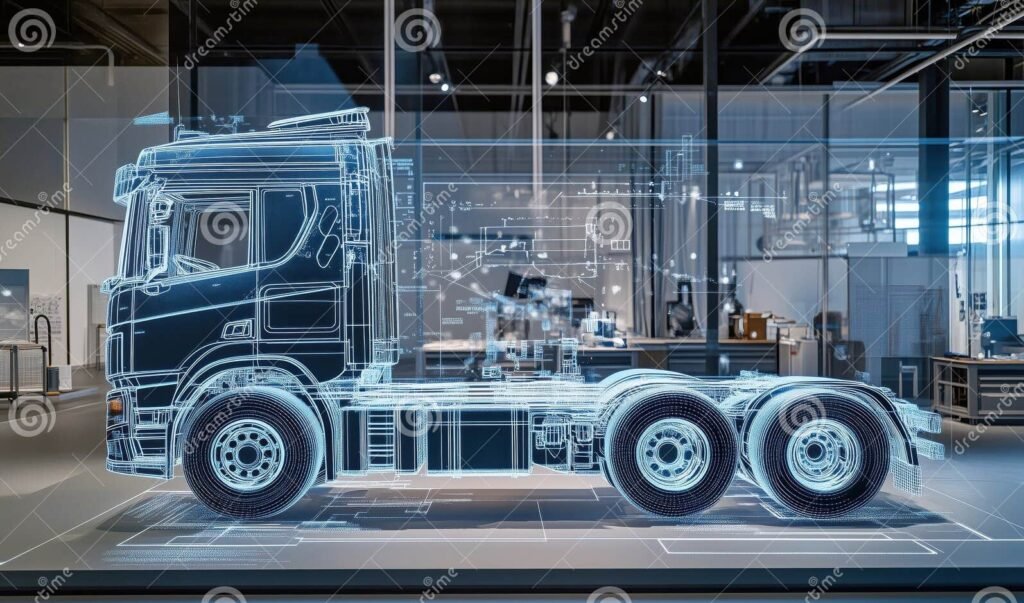
Different types of British garbage trucks are used depending on the waste collection requirements, location, and type of material being collected. The most common type used by councils for household collections is the rear-loader refuse truck. These vehicles have an opening at the back where waste is loaded before being compacted inside the body.
Rear-loader trucks are popular because they work well in residential areas with narrow roads and traditional housing layouts. Collection workers can easily access bins placed outside homes, and the compacting system allows the truck to carry a large amount of waste during each route. Many UK councils continue to use this design because it provides flexibility and reliability.
Side-loader refuse vehicles are another type used in some areas. These trucks feature automated arms that collect and empty bins from the side of the vehicle. They can reduce manual handling and improve efficiency, especially where standardised bin systems are used. Side loaders are often seen in areas where automation can improve collection speed and reduce labour requirements.
Front-loader trucks are mainly used for commercial waste collection. They are designed to lift large containers commonly found at businesses, factories, restaurants, and industrial locations. These vehicles are suitable for handling higher waste volumes and are often operated by private waste management companies.
British Garbage Truck Size, Weight, and Capacity
The size of a British garbage truck depends on its purpose and operating environment. Many standard UK refuse collection vehicles operate around the 26-tonne gross vehicle weight category, making them suitable for regular household waste collection. Smaller models are also available for areas where road access is limited or where larger vehicles cannot operate effectively.
Capacity varies depending on the truck design, waste body size, and compaction technology. A standard refuse truck can carry several tonnes of compacted waste, allowing crews to complete many household collections before returning to unload. Vehicles designed for recycling may have different compartments to keep materials separated during transportation.
Weight and size restrictions are especially important in Britain because many communities contain narrow roads, historic streets, and areas with limited parking space. Manufacturers design UK refuse trucks with features such as shorter wheelbases, improved turning ability, and enhanced driver visibility to make daily operations safer and more practical.
The capacity of a British garbage truck is not only measured by how much waste it can hold but also by how efficiently it can operate. A smaller vehicle that can easily navigate difficult routes may sometimes be more useful than a larger truck that struggles in restricted areas.
Popular British Garbage Truck Manufacturers
Several companies manufacture and supply British garbage trucks and waste collection equipment used throughout the UK. One of the best-known names is Dennis Eagle, a manufacturer specialising in refuse collection vehicles. Their trucks are widely used by councils and waste companies because they are designed specifically for municipal operations and British road conditions.
Terberg Matec UK is another important company involved in waste collection technology. It produces specialised equipment, including automated lifting systems and recycling solutions that help improve collection efficiency. These companies contribute to the development of safer and more environmentally friendly waste management vehicles.
The UK also has a strong market for used municipal trucks. Many organisations purchase second-hand refuse vehicles after council fleet upgrades or replacement programs. Used British garbage trucks can provide a cost-effective option for smaller waste companies, but buyers usually consider factors such as vehicle age, mileage, maintenance records, and the condition of the hydraulic systems.
British Garbage Truck Technology and Environmental Improvements
Modern British garbage trucks are becoming more environmentally friendly as councils and waste companies focus on reducing emissions. Traditional diesel-powered refuse vehicles remain common because they provide strong performance and reliability, but electric and alternative fuel models are becoming increasingly popular.
Electric refuse trucks offer several advantages, especially in urban areas. They produce fewer emissions and operate more quietly than traditional diesel vehicles. Lower noise levels are particularly beneficial for residential areas where waste collections often take place early in the morning.
Smart technology has also changed waste collection operations. GPS tracking, route planning software, and vehicle monitoring systems help companies reduce unnecessary journeys and improve efficiency. Some advanced systems can analyse collection patterns and help managers create better schedules.
These improvements show how the British garbage truck is evolving from a simple collection vehicle into a highly efficient machine designed to support modern environmental goals.
How Much Does a British Garbage Truck Cost?
The price of a British garbage truck depends on several factors, including the vehicle type, manufacturer, age, equipment, and condition. New refuse collection vehicles are expensive because they include specialised bodies, hydraulic systems, safety equipment, and advanced technology.
Used refuse trucks are often more affordable and are popular among smaller businesses and organisations. The cost of a second-hand vehicle depends on mileage, maintenance history, remaining lifespan, and whether it includes additional features such as automated lifting systems.
Operating costs should also be considered when purchasing a refuse vehicle. Expenses include fuel, servicing, repairs, insurance, tyres, and driver training. While electric models may require a higher initial investment, they can provide savings over time through reduced fuel and maintenance requirements.
Choosing the right British garbage truck depends on the intended use. A small commercial operator may need a different vehicle compared with a large council managing thousands of household collections every week.
British Garbage Truck vs American Garbage Truck
Although British and American garbage trucks perform the same basic job, there are noticeable differences between them. A British garbage truck is usually designed around the UK’s smaller roads and residential layouts, while American waste trucks often operate in areas with wider streets and larger collection spaces.
In Britain, rear-loader bin lorries are very common because they are practical for older neighbourhoods and compact urban areas. In the United States, front-loader and side-loader vehicles are more frequently seen, especially for large commercial bins and automated residential collections.
The terminology is also different. British residents usually say “bin lorry” or “RCV,” while Americans generally use “garbage truck” or “trash truck.” These differences reflect local language, infrastructure, and waste management systems.
Conclusion
The British garbage truck is an essential part of the UK’s waste management system, helping councils and businesses collect rubbish, support recycling, and maintain cleaner communities. Known locally as a bin lorry or Refuse Collection Vehicle, these specialised trucks have developed into advanced machines featuring modern technology, improved safety systems, and more sustainable power options.
From traditional rear-loader vehicles to automated and electric models, British garbage trucks continue to adapt to changing environmental requirements and urban challenges. Their importance goes far beyond waste collection because they support public health, recycling efforts, and the daily functioning of communities across the United Kingdom.
FAQs
What is a garbage truck called in Britain?
A garbage truck is commonly called a bin lorry or Refuse Collection Vehicle (RCV) in the UK.
What is an RCV in waste management?
An RCV is a Refuse Collection Vehicle designed for collecting and transporting waste.
How much does a British garbage truck cost?
The price varies depending on whether the vehicle is new or used, its size, features, and condition.
How much waste can a British garbage truck carry?
Most standard UK refuse trucks can carry several tonnes of compacted waste depending on their design.
Which companies make British garbage trucks?
Companies such as Dennis Eagle and Terberg Matec UK manufacture waste collection vehicles and equipment.
You May Also Read: 00141 Phone Country Code