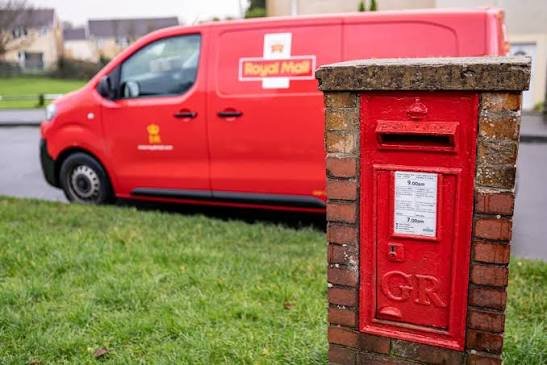
A parcel leaves a seller’s hands, the confirmation email arrives, and then the waiting begins. For millions of online shoppers, the most important question is no longer simply when an order was dispatched but where it is now. Royal Mail tracking provides that visibility for eligible UK and international postal services, helping senders and recipients follow an item’s progress from acceptance through delivery.
Yet tracking information is not always self-explanatory. A parcel may appear stuck at a mail centre, show as delivered when it cannot be found, or display limited information because the chosen postage service does not provide end-to-end tracking. Understanding what the system actually records can make those situations much easier to resolve.
What Is Royal Mail Tracking?
Royal Mail tracking is an online service that displays available delivery information for letters and parcels sent using eligible Royal Mail services. Customers enter a tracking or reference number into Royal Mail’s Track your item service to view the latest recorded status. Royal Mail’s official tracking page also provides dedicated help for reference-number problems, unusual tracking messages, international items and parcels marked as delivered but not received.
The amount of information shown depends on the postal product. Royal Mail states that trackable services include Special Delivery Guaranteed and Tracked services. By contrast, Royal Mail Signed For is not continuously tracked through the network; instead, it provides delivery confirmation and a signature after delivery.
That distinction explains many apparently missing updates. A reference number does not automatically mean that every stage of an item’s journey will appear online.
How to Use Royal Mail Tracking
Using Royal Mail tracking is straightforward when you have a valid tracking number. Visit Royal Mail’s official Track your item page, enter the reference exactly as supplied, and check the status returned by the system. The safest approach is to access the tracking service directly rather than following unexpected links received through unsolicited texts or emails.
Royal Mail Track your item
If you bought postage through Click & Drop, tracking information can also be available from the Orders area. Royal Mail’s Click & Drop guidance says customers can display tracking numbers and statuses from their order records. However, items with only delivery confirmation may not appear in Track & Trace until they receive the relevant destination scan.
For recipients, the retailer or sender will normally provide the reference number in a dispatch email, order page, receipt or message. If no number has been provided, asking the sender which postal service was used is usually the quickest starting point.
Where to Find a Royal Mail Tracking Number
A tracking number is commonly printed on a Post Office receipt, postage label or dispatch documentation. Online shoppers may receive it in a shipping confirmation email or through the retailer’s order-management system. Business senders can also retrieve references from the systems used to prepare their shipments.
Royal Mail provides examples of where reference numbers appear for services including Tracked 24, Tracked 48, Special Delivery Guaranteed, International Tracked and International Tracked & Signed. This is particularly useful when several numbers appear on a receipt and it is unclear which one should be entered into the tracking system.
If you are receiving an item and cannot locate a reference, Royal Mail recommends asking the sender whether the parcel was sent using a service that provides tracking. That matters because a reference cannot create tracking information for an untracked service.
Which Royal Mail Services Offer Tracking?
Not every Royal Mail product provides the same visibility. Royal Mail tracking is most useful with services specifically designed to record an item’s journey. Tracked 24 and Tracked 48 are prominent examples, alongside Special Delivery Guaranteed and several international tracking products.
Royal Mail describes Tracked 24 and Tracked 48 as providing tracking to the delivery point for both sender and recipient. Features can include predicted delivery information by SMS or email, in-flight delivery choices, a delivery photograph and online delivery confirmation with a GPS map. Sunday parcel delivery is also listed as a feature for Tracked 24.
Customers should therefore examine the exact service used rather than assuming every First Class, Second Class or Signed For item will display the same journey. A fully tracked product and a service offering only delivery confirmation can produce very different online experiences.
Understanding Common Tracking Statuses
A tracking page is essentially a record of events captured as an item moves through the postal network. An early update may indicate that information has been created or that Royal Mail is expecting the item. Later events can reflect acceptance into the network, processing through facilities, preparation for delivery and eventual delivery.
Importantly, a tracking event represents the latest recorded scan or system update; it does not necessarily describe every physical movement between two facilities. A parcel can continue travelling even when the customer-facing page has not changed for several hours.
Royal Mail specifically advises customers with unusual messages to use its tracking-status guidance, while its Track your item page includes help for situations where the displayed message looks wrong.
For that reason, the most useful approach is to interpret the latest status alongside the service type, posting date and expected delivery timeframe rather than judging progress from a single scan alone.
Why Royal Mail Tracking May Not Update
Few situations cause more concern than repeatedly refreshing Royal Mail tracking and seeing the same message. However, a lack of a new customer-facing scan does not automatically mean the parcel has been lost.
Postal networks move large volumes through collections, mail centres, transport links and delivery offices. Tracking events appear when the relevant operational information is recorded. There can therefore be periods between visible updates while the item remains in transit.
The chosen service also matters. Royal Mail explains that services generating delivery confirmation numbers may only appear in Track & Trace once they have been scanned at their destination. Customers wanting fuller visibility should use a tracked service.
If the expected delivery period has passed significantly and the status remains unchanged, the sender should review Royal Mail’s delayed or lost-item guidance and determine whether further action or a claim is appropriate.
What to Do When a Parcel Says Delivered but Is Missing
A “delivered” status can be alarming when nothing appears at the front door. Before assuming the item is permanently missing, check the property’s likely delivery locations and any available tracking details. Eligible services may provide information that helps identify where the delivery was completed.
Royal Mail has added GPS-confirmed delivery information to Track & Trace for applicable deliveries. It says senders and recipients may be able to see where an item was delivered on a street map, although a map will not be presented in every case for operational or privacy reasons.
Also check whether another household member accepted the parcel or whether an authorised delivery option was used. Royal Mail allows eligible recipients to select options such as a preferred neighbour, Safeplace, Post Office branch or Royal Mail Delivery Office.
If those checks do not locate the item, use Royal Mail’s official help process for parcels shown as delivered but not received and contact the sender when appropriate.
Tracked 24 vs Tracked 48
Tracked 24 and Tracked 48 are two services closely associated with Royal Mail tracking, but their delivery aims differ. Royal Mail describes Tracked 24 as a next-day service and Tracked 48 as aiming for delivery within two to three days in its business service information.
Both can provide detailed visibility through the network. Royal Mail lists tracking to the delivery point, estimated delivery information, delivery photographs, GPS-supported confirmation and in-flight delivery options among Tracked 24 and 48 features. Optional signature and other delivery choices are also available in relevant circumstances.
These delivery aims should not be confused with a guaranteed delivery time unless the specific product explicitly provides a guarantee. Customers sending urgent or particularly important items should compare the terms of the chosen service rather than relying solely on the words “24” or “48.”
Special Delivery Guaranteed and Tracking
When timing is especially important, Royal Mail offers Special Delivery Guaranteed products. These services are different from ordinary tracked options because they combine tracking with specific delivery commitments subject to the product’s terms.
Royal Mail’s current business information describes Special Delivery Guaranteed options with timed next-day delivery and features including signature on delivery, customer notifications and compensation cover at specified levels.
For valuable documents or time-sensitive parcels, the difference between a delivery aim and a contractual guarantee can be important. Senders should check the latest service terms, compensation limits, exclusions and posting requirements before purchasing postage.
Royal Mail also states that Special Delivery Guaranteed items cannot simply be placed in a postbox and must instead be taken to an appropriate Post Office branch or Royal Mail Customer Service Point.
International Royal Mail Tracking
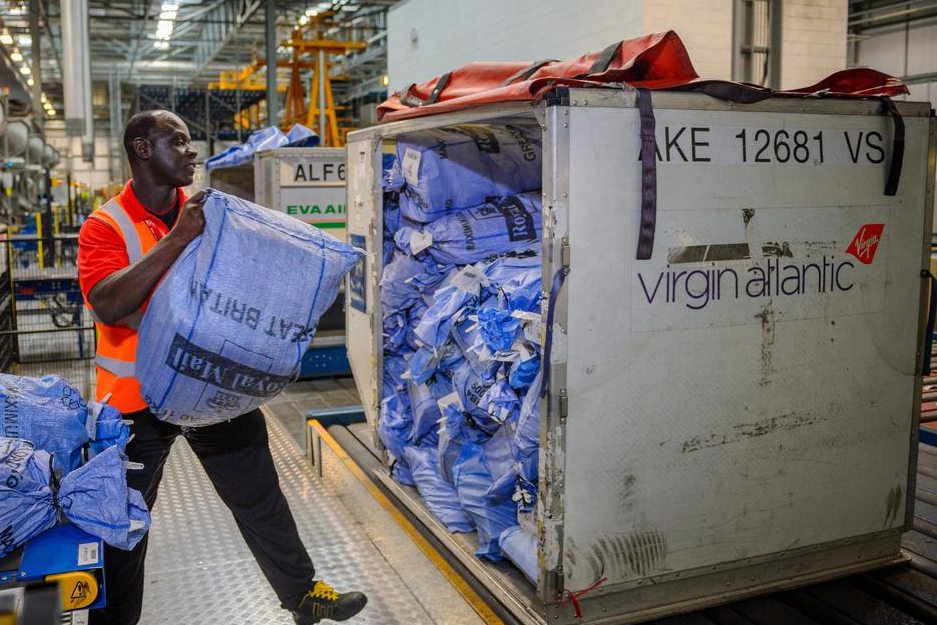
International deliveries introduce another layer of complexity because more than one postal operator can become involved. An item leaving the UK may eventually pass into the destination country’s postal network, while an inbound parcel may have started with a foreign postal authority before reaching Royal Mail.
Royal Mail says customers outside the UK waiting for an item sent from Britain should determine whether the sender used International Tracked, International Signed or International Tracked & Signed. For inbound mail, customers may be able to follow the overseas portion through the relevant foreign postal authority before tracking continues in the UK.
As a result, Royal Mail tracking for an international shipment may not behave exactly like domestic tracking. Customs processing, handovers between postal organisations, transportation schedules and destination-country operations can affect both delivery times and the appearance of tracking updates.
If tracking information remains unavailable, Royal Mail advises recipients to contact the sender so the sender can make enquiries with the appropriate postal authority.
Changing Delivery Options While a Parcel Is Moving
Modern parcel tracking increasingly does more than show location. For eligible deliveries, it can also give recipients greater control over where and when an item is delivered.
Royal Mail says available options can include changing the delivery day, choosing a preferred neighbour, selecting a Safeplace, or directing the item to a local Post Office branch or Royal Mail Delivery Office. The options offered depend on the service and circumstances.
The process is connected to Royal Mail tracking. For eligible parcels, a customer may receive an email, SMS or app notification, follow it to Track & Trace, select “Change Delivery Options,” enter the item’s barcode and delivery postcode, and choose from the available alternatives.
This development reflects a broader ecommerce trend: parcel visibility is becoming parcel control. Customers increasingly expect delivery services not merely to report progress but to help them manage the final stage.
How Businesses Use Parcel Tracking
For an online retailer, tracking is more than a convenience. It can reduce “where is my order?” enquiries and provide customers with confidence after checkout. Clear dispatch communication also gives buyers a practical way to distinguish a normal delivery journey from a genuine delay.
Royal Mail promotes Tracked 24 and 48 to businesses with predicted delivery information, email or SMS notifications, delivery photographs and management reporting. It explicitly notes that keeping shoppers updated can help reduce customer enquiries about parcel whereabouts.
Businesses should therefore send tracking references promptly, identify the carrier clearly and avoid promising delivery dates that exceed the actual service commitment. When a delay occurs, customer-support teams should examine the carrier status before asking a buyer to repeat information already available from the shipment record.
Used properly, Royal Mail tracking becomes part of the post-purchase customer experience rather than simply a logistics feature.
How to Avoid Tracking Scams
Parcel delivery has become a common theme for phishing because genuine customers regularly expect shipping notifications. A fraudulent message may claim that delivery failed, request a small redelivery fee or encourage the recipient to enter payment details through an imitation website.
The safest habit is simple: instead of trusting an unexpected message link, independently open Royal Mail’s official website and enter the reference into the genuine tracking service. If a message contains a number, compare it with the reference supplied by the retailer or sender.
Official Royal Mail tracking page
Customers should be especially cautious when a message creates artificial urgency or unexpectedly asks for sensitive financial information. Royal Mail tracking itself can help verify whether there is a genuine shipment associated with the reference, but users should still examine the sender and circumstances carefully.
What to Do When an Item Is Delayed or Lost
A delayed parcel is not necessarily a lost parcel. First check the latest tracking information, the service used and the expected delivery period. Royal Mail notes that some items can be delivered separately from a household’s normal mail, including larger parcels and Special Delivery Guaranteed items.
If an item remains undelivered beyond the relevant timeframe, Royal Mail provides lost-item and claims guidance. Eligibility and claim timing vary according to the service. For example, Royal Mail publishes separate delivery aims and claim windows for international services, so customers should check the rules applicable to their exact shipment rather than applying one deadline to every parcel.
Recipients should also remember that the sender is often the party best positioned to investigate or make a claim, particularly when an online retailer arranged the postage.
The Future of Royal Mail Tracking
Parcel technology is moving toward increasingly precise delivery information. Estimated delivery windows, photographs, GPS confirmation, automated notifications and in-flight delivery changes show how tracking has evolved beyond a sequence of basic depot scans.
Royal Mail already lists predicted delivery information, photo-on-delivery and GPS mapping among features associated with its tracked services. Future developments across the delivery industry are likely to focus further on accurate arrival estimates, convenient collection points, automated customer communication and flexible last-mile delivery.
For consumers, however, more data does not eliminate every uncertainty. Weather, operational disruption, customs processing and address issues can still affect delivery. The strongest tracking systems therefore combine visibility with clear explanations and practical options when something does not go according to plan.
Key Takeaways
Royal Mail tracking lets senders and recipients check available delivery progress using a tracking or reference number. The level of detail depends on the postage service, with Tracked 24, Tracked 48 and Special Delivery Guaranteed among the services offering tracking capabilities. Signed For should not be confused with full end-to-end tracking.
A tracking page that has not recently changed does not automatically indicate a lost parcel. Customers should consider the service, expected delivery period and latest recorded event before escalating the issue.
Eligible parcels may also provide delivery photographs, GPS confirmation and options to change the delivery day or location. For the safest experience, enter references directly through Royal Mail’s official Track your item service rather than relying on unexpected links.
Conclusion
Royal Mail tracking has transformed waiting for a parcel from a largely invisible process into one that can provide updates from posting through delivery. With services such as Tracked 24 and Tracked 48, customers can receive detailed delivery information, while eligible shipments may also offer photographs, GPS-supported confirmation and flexible delivery choices.
Still, effective tracking starts with understanding the service purchased. Not every postal product offers continuous scans, international shipments can involve multiple carriers, and temporary gaps between updates do not necessarily mean an item has disappeared.
When a delivery matters, keep the reference number, check the official tracking page and review the latest status before taking action. If something appears wrong, use Royal Mail’s official support and lost-item guidance rather than relying on third-party tracking claims.
FAQs
How do I use Royal Mail tracking?
Enter your reference number on Royal Mail’s official Track your item page.
Why is my Royal Mail tracking not updating?
There may be a gap between scans, or the service may provide only limited delivery information.
Can I track a Royal Mail parcel without a tracking number?
Full tracking generally requires the relevant reference. Ask the sender if you do not have it.
What does Royal Mail Tracked 24 mean?
It is a tracked service with a next-day delivery aim and end-to-end tracking features.
Does Royal Mail provide proof of delivery?
Eligible tracked services can provide delivery confirmation and may include a delivery photo or GPS information.
You May Also Read: Hull Daily Mail