For generations, local newspapers have recorded the stories that rarely make national headlines: council decisions, neighbourhood disputes, football victories, court cases, new businesses and the deaths of familiar community figures. In Hull and the East Riding of Yorkshire, the Hull Daily Mail has occupied that role while adapting to one of the most disruptive periods in British journalism. Today, its identity stretches beyond a traditional printed newspaper into HullLive, a digital operation competing for attention across websites, search engines, social media and mobile devices.
That transformation reflects a much larger story. Regional journalism is no longer defined only by tomorrow morning’s front page. Readers expect breaking news immediately, live updates during major events and local reporting accessible wherever they are. The challenge is preserving community-focused journalism while developing a sustainable digital business.
What Is the Hull Daily Mail?
The Hull Daily Mail is a regional news title serving Kingston upon Hull and surrounding communities in East Yorkshire. Its coverage traditionally spans breaking news, crime, local government, business, community stories, entertainment and sport, particularly developments connected with Hull City and other teams followed across the region.
The title is part of Reach plc’s portfolio. Reach describes itself as the largest commercial news publisher in the UK and Ireland and says it operates more than 120 print and online brands. Its portfolio combines national publications with regional and local news operations, illustrating the scale on which modern local journalism is increasingly produced.
Although many readers still recognise the newspaper’s historic name, its digital presence is strongly associated with HullLive. That distinction matters because a growing share of local news consumption happens online rather than through a printed newspaper.
From a Local Newspaper to HullLive
The evolution of the Hull Daily Mail demonstrates how regional newspapers have responded to changing reader habits. A newspaper once worked according to a relatively predictable daily cycle: reporters gathered stories, editors prepared pages, printing presses produced the edition, and copies reached readers through shops or home delivery.
Digital publishing changed that rhythm completely. Reach reported in 2017 that the Hull Daily Mail was among its regional sites moved to a new digital publishing platform featuring responsive design, stronger video capabilities and improved live-blogging tools. The strategy reflected an industry-wide shift toward continuous publishing rather than relying exclusively on a once-a-day print deadline.
HullLive represents the digital side of that evolution. Breaking stories can now develop through multiple updates, while photographs, video, social posts and live coverage can complement traditional reporting. Instead of waiting for the following day’s newspaper, readers can follow developments as they happen.
What Kind of News Does HullLive Cover?
The editorial value of a regional publication depends heavily on proximity. National outlets can report Britain’s biggest political or economic developments, but they rarely have the resources to consistently cover individual neighbourhoods, planning applications, council meetings, road closures and community campaigns.
That is where the Hull Daily Mail and HullLive operate. Their audience expects information directly connected with Hull and East Yorkshire, including local crime and courts, traffic and travel, property, businesses, schools, public services, entertainment and major community developments. Sport is another important part of the local-news relationship.
Local-government reporting remains particularly significant. A 2026 Reach recruitment notice for a HullLive Local Democracy Reporter specifically identified Hull City Council, East Riding of Yorkshire Council and the Hull and East Yorkshire Combined Authority as important areas of coverage. The role forms part of the BBC-supported Local Democracy Reporting Service, demonstrating how dedicated reporters continue to scrutinise decisions affecting residents.
Why Local Journalism Still Matters in Hull
A national headline can explain a government policy, but a local journalist can investigate what that policy means for a particular school, street, hospital or council budget. That distinction gives local journalism its practical importance. Readers often need information that is geographically specific and immediately relevant to everyday life.
The Hull Daily Mail also contributes to a community’s historical record. Routine reports about planning decisions, businesses, sporting achievements and local personalities can become valuable archives years later. Individually, some stories may appear modest; collectively, they document how a city changes.
Accountability is another central function. Council decisions can affect roads, schools, recycling, development, housing and public spending. Reach’s description of its Hull-based Local Democracy Reporter role explicitly focuses on examining such decisions and holding local authorities to account.
Hull City and the Importance of Local Sports Coverage
Sport provides regional journalism with something different from ordinary breaking news: an ongoing relationship with readers. Football supporters do not simply want a final score. They follow transfers, injuries, managerial decisions, tactical changes, press conferences and the wider direction of their club.
For Hull audiences, Hull City coverage therefore forms an important part of the local media ecosystem. Supporters may turn to local reporting because journalists working around a club can provide continuous context that national sports coverage cannot always match.
The same principle applies beyond football. Rugby league and other regional sporting interests contribute to Hull’s identity, and specialist local coverage helps connect individual matches with broader stories about clubs, supporters and communities. In an increasingly global sports-media market, strong local knowledge remains one of the clearest ways regional publications can distinguish themselves.
How Digital Publishing Changed the Hull Daily Mail
The internet did more than create another distribution channel for the Hull Daily Mail. It changed what readers expect journalism to look like. A printed report is essentially fixed once published; an online story can be updated repeatedly as information develops.
Live blogs demonstrate the difference particularly well. During major incidents, sporting events, severe weather or transport disruption, journalists can add developments to a single evolving page. Mobile readers can check those updates throughout the day rather than waiting for a completed newspaper report.
Video, searchable archives, interactive elements and social distribution have expanded the format further. Reach’s earlier digital-platform migration specifically emphasised responsive pages, video and improved live blogging. More recently, the company has identified audience connections, technology and AI, and revenue diversification among its strategic priorities.
The result is a newsroom model where journalists increasingly write for several channels rather than one printed product.
Who Owns the Hull Daily Mail?
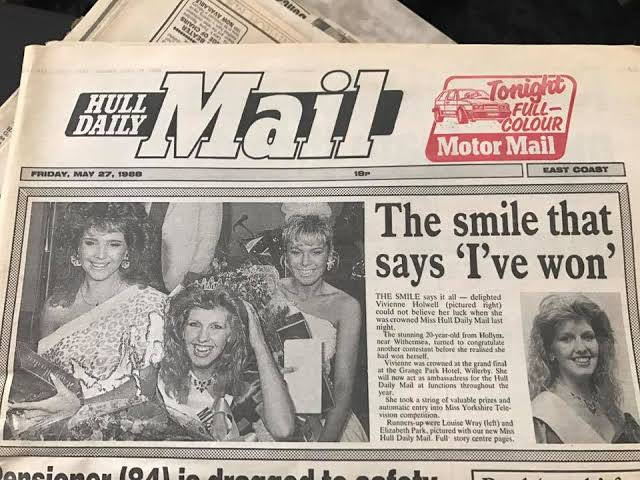
The Hull Daily Mail belongs to Reach plc’s extensive publishing portfolio. Reach’s 2025 annual report lists both HullLive and Hull Daily Mail among its brands, alongside publications including the Mirror, Daily Express, Daily Star, Manchester Evening News and numerous regional digital properties.
Ownership matters because regional publishing increasingly depends on shared infrastructure. Technology, advertising systems, audience analytics and other resources can operate across multiple titles while individual newsrooms retain a geographic editorial focus.
Reach reported that its brands collectively reached 69% of the UK online audience each month in its 2025 annual report. More recent corporate information puts the figure at 66%, while describing a portfolio of more than 120 brands. The changing figures underline why statistics should always be read with their reporting period in mind rather than treated as permanent measurements.
Print Newspapers Still Have a Role
Digital growth does not automatically mean print has disappeared. Many readers continue to value a physical newspaper because it provides a finite, curated package rather than an endless stream of notifications and links.
Reach itself still describes print as a meaningful part of its business. The company says more than half a million people buy one of its newspapers each day, while its investment information states that its publications sold more than 200 million print copies during the year ending December 31, 2025.
For the Hull Daily Mail, this creates a hybrid identity. The newspaper retains a recognisable print heritage while HullLive serves readers accustomed to smartphones, search engines and social platforms. Those formats can serve different habits rather than functioning as simple substitutes for each other.
The Economics Behind Modern Local News
Local journalism has always required revenue, but the underlying economics have changed significantly. Historically, newspapers could rely heavily on print sales and advertising. Digital platforms fragmented that model by changing both how audiences find news and how advertising money moves across the internet.
Publishers consequently have been searching for more diverse income. Reach says its current strategy includes affiliates, ecommerce and digital subscriptions alongside established advertising and print revenue. This diversification is designed to reduce dependence on a single commercial model.
A notable development arrived in July 2026 when HullLive introduced a paid digital subscription offering. Reach reported in August that HullLive had already passed 1,000 subscribers after launching the offering on July 21. The company said its subscription packages broadly combine exclusive content, an ad-light experience and partner offers, although individual titles can differ.
For regional journalism, that experiment matters because subscriptions create a more direct financial relationship between readers and publishers.
How Readers Should Evaluate Local News Reports
Brand familiarity should never replace critical reading. Whether information comes from the Hull Daily Mail, another regional publication, a national newspaper or social media, readers should distinguish confirmed facts from allegations, commentary and information that is still developing.
The first step is checking when a story was published and whether it has subsequently been updated. Breaking-news reports can change rapidly as police, councils, courts, businesses or other authorities release additional information. A headline shared on social media hours later may no longer reflect the newest details.
Readers should also identify the source behind important claims. Official documents, court proceedings, council records and named interviews provide different levels of evidence from anonymous online posts. For high-stakes subjects, checking primary sources and comparing reporting from more than one reputable outlet can provide essential context.
Hull Daily Mail and the Battle for Online Attention
Modern publishers compete not only with other newspapers but also with virtually everything appearing on a smartphone. Search engines, video platforms, social networks, messaging apps and independent creators all compete for the same limited attention.
This environment explains why headlines, mobile page design, notifications, newsletters, video and search visibility have become central to publishing strategy. A strong investigation has limited impact if its intended audience never discovers it.
Reach’s scale illustrates the transformation. The company currently says its brands reach 66% of the UK online population and have around 115 million social followers worldwide. Those figures cover the entire Reach network rather than Hull specifically, but they demonstrate the distribution environment in which local titles now operate.
For Hull Daily Mail journalism, the strategic challenge is balancing this large-scale digital infrastructure with reporting that remains recognisably local.
AI Search Could Change How People Find Hull News
Another transformation is now developing. Traditional search typically presented users with links and required them to visit publishers’ websites. AI-driven search and answer engines can instead summarise information directly within an interface, potentially changing how audiences discover original reporting.
For local publishers, this creates both opportunities and risks. Clearly structured reporting containing precise locations, dates, named entities and attributable sources can become easier for search systems to understand. However, publishers also need readers to reach their own platforms if they are to maintain advertising, subscription and direct audience relationships.
Reach explicitly identifies accelerating the use of technology and AI as one of its strategic priorities. The company also points to video, off-platform engagement and digital subscriptions as elements of its evolving approach.
The future Hull Daily Mail audience may therefore discover stories through search results, AI assistants, social feeds, newsletters and notifications before ever opening a traditional homepage.
Building Trust in an Era of Misinformation
Speed creates an unavoidable tension in journalism. Readers want information immediately, particularly during emergencies or major local events, but accurate reporting requires verification. Social networks can circulate photographs, rumours and eyewitness claims before journalists or authorities have established what actually happened.
Regional journalists can add value by verifying those claims, contacting relevant authorities and providing geographical context. That process becomes especially important for court reporting, crime, public safety and stories involving identifiable individuals.
Readers also have responsibilities. A dramatic screenshot should not automatically be treated as evidence. Checking the publication date, reading beyond the headline, identifying the original source and looking for subsequent corrections or updates can prevent outdated or misleading information from spreading.
The long-term credibility of the Hull Daily Mail and other regional titles will increasingly depend on transparent sourcing and the ability to demonstrate why their reporting deserves trust.
What the Future Looks Like for HullLive
The direction of travel is increasingly clear: local news is becoming multi-platform. Print may remain part of the ecosystem, but future growth is likely to depend heavily on direct digital relationships, subscriptions, newsletters, video, apps, search visibility and social distribution.
HullLive’s 2026 subscription launch offers a concrete example. Passing 1,000 subscribers shortly after launch does not by itself determine the long-term success of the model, but it shows that Reach is testing whether readers will pay directly for enhanced digital access to regional journalism.
At the same time, technology cannot replace the defining advantage of a local newsroom: knowledge of place. Algorithms can distribute stories efficiently, but reporters who understand neighbourhoods, institutions, clubs and public bodies provide context that generic information systems may lack.
That local expertise is likely to remain central to the future of the Hull Daily Mail, regardless of how the delivery technology changes.
Key Takeaways
The Hull Daily Mail is a longstanding regional news brand serving Hull and surrounding East Yorkshire communities, while HullLive represents its modern digital presence. Its reporting spans community news, local government, crime, courts, transport, entertainment, business and sport.
The title forms part of Reach plc, which operates more than 120 print and online brands. Digital transformation has brought live blogging, mobile-first publishing, video and social distribution into everyday newsroom work, while a HullLive digital subscription offering launched in July 2026 and surpassed 1,000 subscribers within its early weeks.
For readers, the most important takeaway is that local journalism remains valuable because it connects larger events with specific communities. The technology and commercial models may evolve, but reliable reporting about decisions and events close to home continues to serve a distinct public need.
Conclusion
The story of the Hull Daily Mail is increasingly the story of British regional journalism itself: a familiar print institution adapting to a world dominated by mobile devices, instant updates, social networks, subscriptions and emerging AI platforms.
HullLive demonstrates how that transition works in practice. The newsroom can publish breaking developments immediately, follow council decisions, cover sport continuously and distribute journalism through channels that did not exist during the traditional newspaper era. At the same time, print continues to serve readers who value a curated physical edition.
The future will depend on whether local publishers can combine trusted reporting with sustainable digital economics. Readers who want to understand Hull beyond national headlines can continue exploring HullLive’s coverage while also consulting primary sources and other reputable outlets when important stories develop.
FAQs
What is the Hull Daily Mail?
It is a regional news title covering Hull and surrounding parts of East Yorkshire.
Is HullLive the Hull Daily Mail website?
HullLive is the digital news brand associated with the Hull Daily Mail.
Who owns the Hull Daily Mail?
The title is part of Reach plc’s publishing portfolio.
What news does HullLive cover?
It covers local news, crime, courts, councils, traffic, community issues, entertainment and sport.
Does HullLive offer digital subscriptions?
Yes. Reach launched a HullLive paid digital subscription offering in July 2026.
You May Also Read: When Is the First Day of Fall 2025