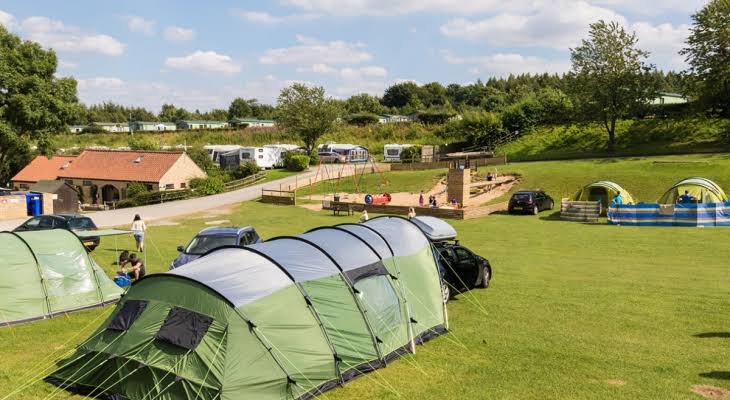
North York Moors wild camping attracts outdoor lovers who want to experience one of England’s most dramatic landscapes in a quieter and more immersive way. The National Park is known for its vast heather-covered moorlands, ancient woodlands, hidden valleys, coastal cliffs, and dark skies that create unforgettable views after sunset. Spending time in this environment allows walkers to experience nature beyond a normal day trip, from watching sunrise over open hills to hearing wildlife during the peaceful hours of the night.
However, wild camping in the North York Moors requires careful preparation and responsible planning. Unlike some parts of the UK, wild camping is not automatically permitted throughout England, and the North York Moors National Park is mainly made up of privately owned land. Anyone planning to camp away from official sites should understand access rules, obtain permission where required, and respect the landscape. A successful trip is not only about finding a beautiful location but also about protecting the environment and maintaining good relationships with local communities.
Is Wild Camping Legal in the North York Moors?
The biggest question beginners ask is whether North York Moors wild camping is legal. In England, there is no general right to camp on open land without permission from the landowner. The North York Moors National Park contains large areas of privately managed countryside, so overnight camping normally requires agreement from the relevant landowner. Walking access rights do not automatically include the right to pitch a tent and stay overnight.
Understanding this rule is essential because many online discussions about wild camping can create confusion. Some people may share personal experiences of camping discreetly, but this does not mean that it is officially permitted. Responsible campers should avoid assuming that remote areas are available for overnight stays. If permission cannot be obtained, using a registered campsite or a small rural camping location is the safest and most respectful option.
Planning legally does not reduce the adventure of exploring the North York Moors. Visitors can still enjoy remote walking routes, dramatic viewpoints, peaceful valleys, and coastal landscapes during the day before returning to a suitable overnight location. For beginners especially, combining hiking with a quiet campsite can provide a similar outdoor experience while removing concerns about permissions and land ownership.
Best Areas to Explore Around the North York Moors
The North York Moors offers a wide variety of landscapes that make it an excellent destination for walkers and outdoor enthusiasts. Areas around Helmsley, Goathland, Rosedale Valley, Sutton Bank, the Cleveland Hills, and Robin Hood’s Bay provide access to some of the National Park’s most impressive scenery. These locations are ideal for planning walking adventures, photography trips, and nature experiences while using approved overnight accommodation nearby.
The Cleveland Way is one of the most famous long-distance walking routes in the area, offering a mixture of moorland paths, woodland sections, and spectacular coastal views. Walkers can experience changing landscapes throughout the route, from open hills covered in purple heather to dramatic cliffs overlooking the North Sea. For visitors interested in camping, these areas provide excellent opportunities to explore during the day while staying at suitable legal locations.
Choosing an area should depend on more than just scenery. Beginners should consider walking distance, terrain difficulty, weather exposure, water availability, and emergency access. A remote-looking location may provide beautiful views but could become challenging during heavy rain, strong winds, or poor visibility. Good planning creates a safer and more enjoyable experience.
Planning Your First North York Moors Camping Trip
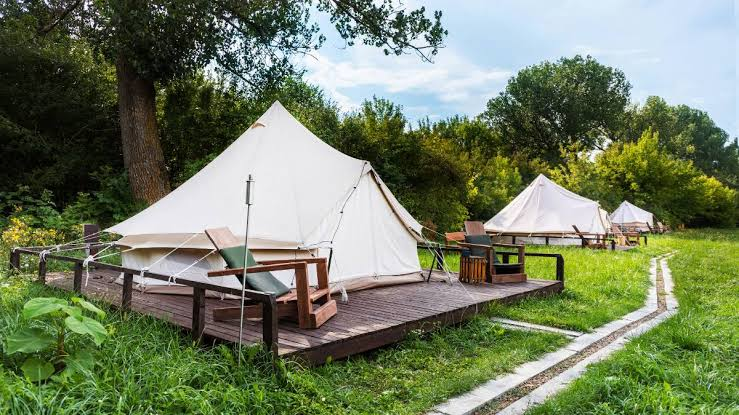
A successful North York Moors camping experience begins with preparation. Before travelling, study your route using reliable maps, check weather forecasts, understand the terrain, and plan realistic walking distances. Moorland landscapes can appear simple from a distance, but paths may become difficult after rainfall, and conditions can change quickly. Beginners should avoid creating overly ambitious plans and should always allow extra time for unexpected delays.
Navigation is one of the most important skills for exploring the North York Moors. Mobile phone signals can be unreliable in remote areas, so carrying an offline map, compass, or GPS device is recommended. Tell someone your planned route and expected return time, especially if travelling alone. A simple safety plan can make a significant difference if conditions change or something goes wrong.
Water and food planning also require attention. Natural water sources should not automatically be considered safe for drinking, so carry enough water or use appropriate treatment methods. Lightweight meals, energy snacks, and simple cooking equipment can make longer outdoor adventures more comfortable without adding unnecessary weight to your backpack.
Essential North York Moors Wild Camping Gear Checklist
The right equipment can completely change your outdoor experience. A reliable shelter, comfortable sleeping system, and weather protection are essential because the North York Moors can experience strong winds, rain, and colder temperatures even during seasons that appear mild. A lightweight waterproof tent, warm sleeping bag, insulated sleeping mat, and quality waterproof clothing should be considered priorities.
Navigation and safety equipment are equally important. A map, compass, head torch, first-aid kit, emergency whistle, power bank, and suitable clothing layers should always be included. Weather conditions can change quickly on exposed moorland, so clothing that allows you to adjust to temperature changes is more practical than relying on one heavy layer.
A well-prepared backpack does not need to be extremely heavy. The goal is to carry what improves safety and comfort while avoiding unnecessary items. Beginners often make the mistake of bringing too much equipment, which can make walking difficult. Focus on essentials, test your equipment before travelling, and choose items suitable for the expected conditions.
Weather Challenges and Best Seasons for Camping
Weather is one of the biggest factors when planning a North York Moors adventure. The landscape is beautiful throughout the year, but conditions can change quickly because much of the area is exposed. Strong winds, sudden rainfall, fog, and colder nights can create difficult situations for inexperienced campers. Checking detailed weather forecasts before departure is one of the simplest ways to improve safety.
Late spring, summer, and early autumn are usually the most comfortable periods for beginners because of longer daylight hours and generally milder temperatures. These seasons make navigation easier and provide more time for walking and exploring. However, visitors should still prepare for unpredictable conditions because mountain and moorland weather can change faster than expected.
Winter camping requires additional experience and preparation. Shorter daylight hours, colder temperatures, wetter ground, and stronger winds increase the challenge. Beginners should build confidence during easier conditions before attempting more demanding seasonal trips. The North York Moors rewards careful planning, and choosing the right time can make the difference between an enjoyable adventure and an uncomfortable experience.
Safety Tips for North York Moors Wild Camping
Safety should always be the first priority when exploring remote areas. The North York Moors may look peaceful, but open landscapes can present challenges including navigation difficulties, changing weather, uneven ground, and limited shelter. Always tell someone where you are going, keep emergency contacts available, and avoid taking unnecessary risks for the sake of reaching a particular viewpoint or location.
Fire safety is another important responsibility. Moorland vegetation, especially dry heather and peat areas, can be vulnerable to fire damage. Visitors should avoid open fires and follow current guidance from the National Park. Portable equipment should only be used where permitted and safe conditions exist. Protecting the landscape ensures future visitors can continue enjoying the same environment.
Wildlife and livestock should also be respected. Keep a safe distance from animals, avoid disturbing nesting birds, control dogs near livestock, and leave gates as you find them. The North York Moors is not only a recreation area but also a working landscape where farming and conservation are important parts of everyday life.
Leave No Trace: Protecting the North York Moors
Responsible outdoor behaviour is essential for preserving the beauty of the National Park. Leave No Trace principles encourage visitors to remove all waste, avoid damaging vegetation, and leave natural areas in the same condition they found them. Even small actions, such as taking food packaging home and avoiding unnecessary disturbance, help protect fragile environments.
Campers should also consider the impact of repeated use. Popular scenic areas can suffer from erosion, litter, and habitat damage when large numbers of visitors use the same locations irresponsibly. Choosing durable surfaces, avoiding sensitive areas, and respecting wildlife helps reduce environmental pressure.
Respecting local communities is equally important. The North York Moors includes villages, farms, and privately owned land. Keeping noise low, parking responsibly, respecting property boundaries, and following local guidance helps maintain positive relationships between visitors and residents.
Wild Camping vs Campsites in the North York Moors
For beginners, choosing between wild camping and an official campsite depends on experience, comfort level, and personal goals. Wild camping can provide a stronger feeling of solitude and adventure, but it requires more planning, permission, navigation skills, and self-sufficiency. Campsites provide legal certainty, basic facilities, and a simpler experience for those who are still learning outdoor skills.
Many visitors choose a combination of both options. Staying at a quiet campsite allows you to explore remote walking routes during the day while having a secure place to return at night. This approach is especially useful for beginners who want to experience the beauty of the North York Moors without dealing with the challenges of completely remote camping.
The best choice depends on what you want from your trip. Those seeking a peaceful outdoor experience should focus on responsible planning rather than simply finding the most isolated location. A well-planned campsite stay can still provide incredible views, fresh air, and unforgettable memories.
Common Mistakes Beginners Should Avoid
Many first-time campers make avoidable mistakes because they underestimate how challenging outdoor conditions can become. One common mistake is arriving too late and trying to set up in darkness. Another is ignoring weather forecasts and assuming summer conditions will remain comfortable throughout the night. Good planning and early preparation prevent many problems.
Other mistakes include carrying too much equipment, failing to plan water supplies, relying only on a mobile phone for navigation, and choosing difficult routes without enough experience. Beginners should focus on learning basic outdoor skills before attempting more challenging adventures.
The goal of camping is to enjoy nature, not to create unnecessary difficulty. Taking a careful approach, respecting local rules, and preparing properly will make your North York Moors experience safer, more comfortable, and more rewarding.
Conclusion
North York Moors wild camping offers an incredible opportunity to experience one of England’s most beautiful landscapes, but the best adventures are built on responsibility and preparation. Understanding legal requirements, choosing suitable routes, carrying the right equipment, and respecting nature are essential parts of enjoying the area.
Although wild camping without permission is not automatically allowed, visitors can still experience the beauty of the North York Moors through responsible hiking, approved camping locations, and carefully planned outdoor trips. The combination of dramatic scenery, peaceful countryside, and rich wildlife makes this region a memorable destination for anyone who loves the outdoors.
Frequently Asked Questions
Can you wild camp in the North York Moors?
Wild camping is not automatically permitted in the North York Moors. Permission from the landowner is generally required before camping overnight on private land.
What are the best areas to explore in the North York Moors?
Popular areas include Helmsley, Goathland, Rosedale Valley, Sutton Bank, Cleveland Hills, and Robin Hood’s Bay for walking and outdoor experiences.
What equipment do beginners need for North York Moors camping?
Beginners should carry a suitable tent, sleeping bag, sleeping mat, waterproof clothing, navigation tools, first-aid kit, food, and enough water.
What is the best time for camping in the North York Moors?
Late spring through early autumn is usually more comfortable, but weather conditions should always be checked before travelling.
Is North York Moors wild camping safe for beginners?
It can be safe with proper planning, suitable equipment, navigation preparation, and respect for weather conditions and local regulations.
You May Also Read: Park Square Siege