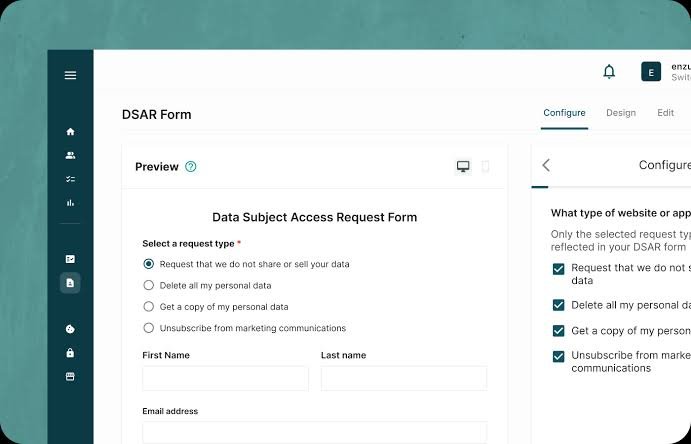
A DSAR template provides a simple and organized way for individuals and organizations to manage Data Subject Access Requests under privacy laws such as the GDPR and UK GDPR. When someone wants to know what personal information a company holds about them, a structured template helps collect the necessary details and makes the request process clearer. Instead of writing a request from the beginning, individuals can use a prepared format that includes important information required for a successful data access request.
For businesses, a reliable DSAR template is an essential privacy management tool. It helps teams handle requests consistently, verify identities, track deadlines, and prepare accurate responses. A well-designed template does not only support compliance; it also improves the experience of customers, employees, and users who want greater control over their personal information. This guide explains how DSAR forms work, what they should include, and how organizations can use them effectively.
What Is a DSAR Template and How Does It Work?
A Data Subject Access Request is a formal request made by an individual asking an organization to provide access to their personal data. People may submit these requests to employers, websites, financial institutions, healthcare providers, or any company that collects and processes personal information. A DSAR template creates a structured format where the requester can provide their details, explain what information they need, and submit their request in a clear way.
The purpose of a DSAR form is to remove confusion from the request process. Without a proper structure, individuals may forget important details, and organizations may need to ask for additional information before starting their search. A well-prepared template helps both sides by creating a clear communication process from the beginning.
A good template usually includes sections for personal details, contact information, request description, identity verification, and preferred response method. For organizations, it creates a consistent workflow that makes it easier to record requests and ensure that privacy responsibilities are handled correctly.
Why Businesses Need a DSAR Template for GDPR Compliance
Organizations handle large amounts of personal information every day, including customer records, employee details, transaction history, and communication data. Managing access requests manually without a proper system can lead to delays, incomplete responses, and compliance problems. A DSAR template helps businesses create a repeatable process for managing these requests efficiently.
A structured template also supports accountability. Privacy teams can use it to record when a request was received, who is responsible for handling it, what information was collected, and when the final response was provided. These records can become valuable evidence if an organization needs to demonstrate its privacy practices during an audit or review.
Another advantage is improved communication. A clear template helps individuals understand what information they need to provide, while businesses can explain verification requirements and response procedures. This creates a more professional privacy experience and builds trust between organizations and data subjects.
Essential Information Included in a DSAR Template
A complete DSAR template should contain specific sections that help organizations process requests accurately. The first section should collect basic information about the requester, including their full name, email address, phone number, and any additional details needed for identification. Accurate contact information ensures that the organization can communicate securely throughout the process.
The template should also include a request details section. This allows individuals to explain what personal data they want to access. Some people may request all information held by an organization, while others may only need specific records, such as employment information, account details, or communication history.
Identity verification is another important component. Organizations must protect personal information from unauthorized access, so they may need to confirm the identity of the requester before releasing data. A good template should explain acceptable verification methods and inform users why this step is necessary.
Free DSAR Template Example Format

A useful DSAR template should be easy to understand and simple to complete. The following structure shows the type of information commonly included in a data access request form.
Data Subject Access Request Form
Requester Information
Full Name: ______________________
Email Address: ______________________
Phone Number: ______________________
Address: ______________________
Details of Requested Information
Please describe the personal data you would like to access:
Preferred Response Format
☐ Electronic copy
☐ Printed copy
☐ Other preferred format
Identity Verification
Verification documents provided:
Declaration
I confirm that the information provided in this request is accurate and understand that my identity may need to be verified before my personal information is released.
Signature: ______________________
Date: ______________________
This type of format helps individuals create complete requests while allowing organizations to collect the information needed for processing.
DSAR Template Word and PDF Options
Many users search for a DSAR template in Word or PDF format because these file types are convenient and easy to customize. A Word version allows organizations to edit sections, add branding, include internal instructions, and adjust questions according to their privacy process. This makes it suitable for businesses that need a flexible document.
PDF templates are useful when organizations want a fixed version that cannot easily be changed. They are commonly used for official submissions because they maintain consistent formatting across different devices. However, businesses should ensure that any PDF form remains accessible and easy for users to complete.
Regardless of the format, the most important factor is the quality of the information collected. A template should be clear, secure, and aligned with the organization’s privacy procedures. Regular reviews are also necessary because business processes and privacy requirements can change over time.
DSAR Response Template for Businesses
While individuals use a request form to ask for their data, businesses often need a separate DSAR response template to provide information back to the requester. This document helps organizations deliver responses in a consistent and professional format.
A response template usually includes confirmation that the request has been completed, details about the information provided, explanations about any limitations, and contact details for further questions. If certain information cannot be disclosed, the organization should clearly explain the reason while following applicable privacy requirements.
Using a response template improves efficiency because privacy teams do not need to create every response from the beginning. It also reduces the chance of missing important information and helps maintain consistent communication with data subjects.
How to Use a DSAR Template Correctly
Using a DSAR template correctly requires more than simply completing a form. Individuals should provide accurate information and clearly describe the data they want to access. Adding relevant details can help organizations locate information faster and reduce unnecessary communication.
Businesses should create an internal process for reviewing incoming requests. This includes assigning responsibility, confirming identity, searching relevant systems, reviewing collected information, and securely delivering the final response. Every step should be documented to maintain accountability.
Security should also remain a priority. Personal information collected during the DSAR process should be stored safely and shared through secure methods. Organizations should avoid sending sensitive information through unsecured channels because protecting personal data remains the central purpose of the request process.
Common DSAR Mistakes to Avoid
One common mistake is submitting incomplete information. If a request does not include enough details, organizations may need to contact the requester before beginning the search. A complete DSAR template helps prevent this problem by guiding users through every required section.
Businesses often make mistakes by failing to track deadlines or ignoring documentation. Every request should have a clear record showing when it was received, who handled it, and how it was resolved. Proper tracking helps organizations maintain compliance and improve future processes.
Another issue is failing to update templates regularly. Privacy regulations, company systems, and data processing activities can change. Reviewing the template periodically ensures that it continues to support effective privacy management.
Difference Between DSAR and SAR Requests
A DSAR and SAR are closely related terms because both refer to requests made by individuals seeking access to their personal information. In many cases, “SAR” is used as a shorter term for Subject Access Request, while “DSAR” emphasizes the data subject’s right to access personal data.
The purpose remains the same: allowing individuals to understand what information an organization holds about them and how it is being processed. A DSAR template can therefore also be used as a structured subject access request form.
Understanding this terminology helps businesses and individuals communicate more effectively. Whether someone searches for a DSAR form or a subject access request template, the goal is usually the same: creating a clear process for accessing personal information.
Benefits of Using a Professional DSAR Template
A professional DSAR template improves accuracy, saves time, and creates a better experience for everyone involved. Individuals can submit requests more easily because they know exactly what information is required. Organizations benefit because employees can follow a consistent process instead of handling each request differently.
Templates also support better privacy management by reducing mistakes and improving record keeping. When requests are handled systematically, businesses can respond more efficiently and demonstrate stronger data protection practices.
In a time when people are increasingly concerned about how their information is collected and used, a well-designed DSAR process helps organizations show transparency and responsibility.
Conclusion
A DSAR template is a valuable resource for managing personal data access requests in a clear and organized way. Whether it is used by an individual requesting information or a business managing GDPR responsibilities, a structured template improves communication, efficiency, and compliance.
The best templates include essential requester details, verification information, request descriptions, and response guidance. By using updated forms and following secure procedures, organizations can handle privacy requests more effectively while building trust with the people whose data they process.
FAQs
What is a DSAR template used for?
A DSAR template is used to organize a Data Subject Access Request and help individuals or organizations manage personal data access requests.
Can I create a DSAR template in Word?
Yes, Word format is commonly used because it can be edited and customized according to different privacy requirements.
What should a DSAR template include?
A DSAR template should include requester details, requested information, identity verification, response preferences, and declaration sections.
Is a DSAR the same as a SAR?
Yes, DSAR and SAR usually refer to the same type of personal data access request, although terminology may vary.
Do businesses need a DSAR response template?
Yes, a response template helps businesses provide consistent, accurate, and professional replies to data access requests.
You May Also Read: Ads Perth