Spikeball has rapidly evolved from a casual backyard game into a dynamic sport enjoyed worldwide. Combining elements of volleyball, hand-eye coordination, and fast-paced gameplay, Spikeball appeals to players of all ages. The game’s growing popularity is fueled by its simplicity, portability, and social nature, making it ideal for both recreational and competitive play. Schools, universities, and adult leagues increasingly incorporate Spikeball into physical education programs, intramural competitions, and community events.
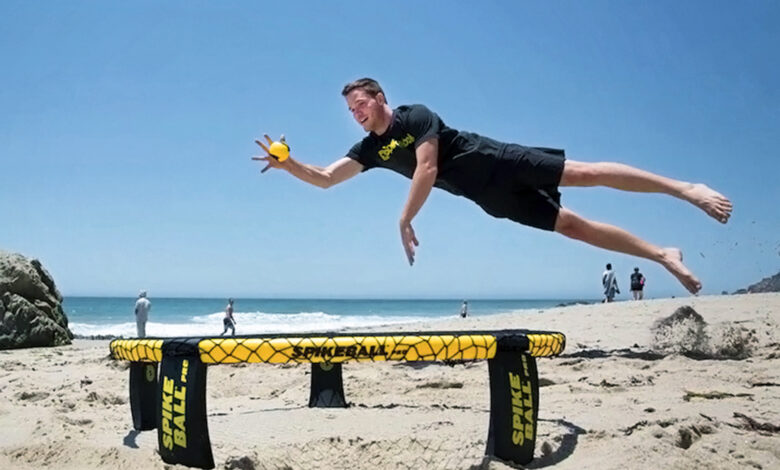
The core appeal of Spikeball lies in its fast-paced, high-energy nature. Played in teams of two, players aim to bounce a small ball off a taut, round net while preventing opponents from returning it. Each rally is filled with quick reflexes, strategic positioning, and constant movement, ensuring a fun and engaging experience. Unlike many sports, Spikeball requires minimal setup, allowing players to start a game in minutes at the park, beach, or even indoor gym spaces.
Beyond its recreational benefits, Spikeball has a thriving competitive scene. Professional leagues, tournaments, and online communities provide players with opportunities to showcase skills, learn advanced strategies, and connect with fellow enthusiasts. This comprehensive guide explores Spikeball’s history, equipment, rules, strategies, and benefits, offering readers everything they need to enjoy the game, whether casually or competitively. By understanding the sport in depth, new players can quickly develop skills, and experienced players can refine strategies to dominate the court.
History and Evolution of Spikeball
Spikeball was first conceptualized in the 1980s but gained mainstream attention in the 2000s. Its modern form was popularized by Jeff Knurek and Chris Ruder, who reimagined it as a competitive sport suitable for both casual players and professional athletes. Initially marketed as a fun backyard game, Spikeball attracted families, friends, and college students looking for an alternative to traditional ball sports.
Over the years, the game evolved from a simple backyard pastime into an organized sport with structured rules and formalized tournaments. Local clubs and community leagues began hosting matches, eventually giving rise to national and international competitions. The establishment of the Spikeball Roundnet Association (SRA) marked a significant milestone, creating standardized rules, rankings, and tournaments for players of all levels.
The evolution of Spikeball also coincided with the rise of social media and online communities. Players could share gameplay videos, strategies, and tips, contributing to its viral popularity. High-energy, short-format matches made the game perfect for digital content, further boosting its appeal among younger audiences. Today, Spikeball is recognized not only for its recreational value but also for its competitive legitimacy, with professional leagues attracting sponsorships, media coverage, and dedicated fan bases.
By blending recreational fun with competitive rigor, Spikeball has created a unique niche in the sports world. Its growth trajectory suggests continued expansion, with new players, teams, and tournaments emerging every year.
Equipment and Setup
The essential equipment for Spikeball is simple but crucial to gameplay. The core components include a round, taut net, a small bouncy ball, and, optionally, boundary markers for official games. The net, elevated slightly off the ground with legs or a frame, serves as the central point of action. Balls are typically lightweight and designed to bounce consistently on the net’s surface.
Setting up a Spikeball court is straightforward. For casual play, a small clear area—approximately 10 feet in diameter—is sufficient. The net is placed at the center, and players position themselves around it, typically in pairs. Official tournaments use marked boundaries to ensure standardized play, although most backyard or beach games do not require strict limits. Setup time is minimal, and the portability of the equipment allows games to be played almost anywhere, from grassy parks to sandy beaches or indoor gyms.
Maintaining equipment ensures longevity and optimal gameplay. The net should remain taut, and the ball should be free of cracks or excessive wear. Portable nets are often collapsible and lightweight, making transportation and storage easy. Optional gear such as sports shoes with good traction, athletic wear, and sun protection for outdoor games can enhance player comfort and safety.
Overall, the simplicity and portability of Spikeball equipment are key factors in its popularity. Players can start a game with minimal preparation while enjoying a high-energy, strategic sport that is easy to learn but challenging to master.
Rules of Spikeball
Spikeball is played in teams of two, with the primary objective being to bounce the ball off the net in a manner that the opposing team cannot return it. The game begins with a serve, where one player hits the ball onto the net toward the opposing team. Each team is allowed up to three touches before returning the ball, and the rally continues until the ball hits the ground, goes out of bounds, or fails to bounce on the net.
Scoring is simple yet dynamic. Points are awarded when the opposing team fails to return the ball properly, lets it bounce twice, or hits the rim of the net. Matches are typically played to 11, 15, or 21 points, with teams needing a two-point lead to win. This scoring system keeps games fast-paced and competitive, encouraging strategic play, agility, and constant movement.
Advanced rules are implemented in competitive settings. These include specific serving guidelines, rotation protocols, and penalties for interference or illegal hits. The game requires communication between team members, quick reflexes, and situational awareness. Unlike some sports where physical size or strength dominates, Spikeball rewards coordination, strategy, and mental agility, making it accessible to a wide range of players.
Learning the basic rules allows beginners to start playing quickly, while advanced rules provide depth and complexity for competitive tournaments. Understanding these rules ensures fair play, enhances enjoyment, and fosters a competitive spirit among players.
Techniques and Strategies

Mastering Spikeball requires a combination of technical skill, strategic thinking, and teamwork. Serving techniques are critical, as a strong, well-placed serve can put opponents on the defensive immediately. Players often use spins, angles, and power variations to make serves unpredictable. Practicing serves consistently helps teams maintain control and gain early advantages in rallies.
Defensive strategies involve proper positioning and movement. Players must anticipate the ball’s trajectory, communicate constantly, and coordinate with teammates to cover the net effectively. Agile footwork, quick reflexes, and lateral movement are essential for defending against fast-paced hits. Anticipation and reading opponents’ cues significantly increase defensive efficiency.
Offensive strategies focus on creating angles and using deception. Hitting the ball with subtle spins or targeting open spaces forces the opposing team to make difficult returns. Team coordination and communication allow players to cover more ground and execute complex plays, increasing scoring opportunities. Advanced players may incorporate feints, fakes, and rapid directional changes to disrupt opponents’ rhythm.
Practicing drills, analyzing gameplay, and reviewing competitive matches can help players refine their skills. Consistent practice, combined with strategic thinking and teamwork, transforms casual players into competitive participants capable of excelling in tournaments.
Benefits of Playing Spikeball
Spikeball offers numerous physical, mental, and social benefits. Physically, it enhances agility, speed, hand-eye coordination, and overall cardiovascular fitness. Each rally requires explosive movements, jumps, and rapid direction changes, making it a full-body workout that improves endurance, strength, and flexibility.
Mentally, Spikeball encourages strategic thinking, focus, and quick decision-making. Players must assess opponents’ positions, anticipate ball trajectories, and react instantaneously. This cognitive challenge sharpens reflexes, improves concentration, and promotes problem-solving skills.
Socially, the game fosters teamwork and communication. Partners must collaborate to cover the net, execute plays, and support each other. Casual games also create opportunities for social interaction, community engagement, and friendly competition. The accessibility and fun nature of Spikeball make it suitable for all ages, providing a platform for recreation, bonding, and community events.
Overall, Spikeball combines physical activity, mental stimulation, and social interaction, offering a holistic recreational experience that promotes health, fitness, and enjoyment.
Competitive Spikeball
The competitive scene for Spikeball has grown rapidly, with professional leagues, tournaments, and organized events attracting players worldwide. Competitive play follows stricter rules, standardized court dimensions, and scoring systems, challenging players to elevate their skills and tactics.
Preparation for competitive play includes practicing advanced serving techniques, defensive positioning, and team strategies. Players often participate in local leagues before advancing to national or international tournaments. Notable competitive players and teams have helped popularize the sport, inspiring new generations of athletes and contributing to the establishment of formal rankings and championships.
Competitive Spikeball emphasizes agility, precision, and teamwork, and participants often develop highly specialized strategies tailored to opponents’ strengths and weaknesses. The sport’s competitive nature fosters discipline, focus, and sportsmanship while providing a pathway for recreational players to test themselves at higher levels.
Tips for Beginners
Beginners should start by mastering the basics: understanding the rules, practicing consistent serves, and learning proper positioning. Drills focusing on ball control, agility, and communication help accelerate skill development. Starting with casual games allows players to build confidence and develop instincts necessary for competitive play.
Common mistakes for beginners include overhitting the ball, poor positioning, and lack of communication. Practicing with a partner, analyzing mistakes, and gradually incorporating advanced techniques can improve gameplay. Focusing on teamwork and communication ensures that players can respond effectively during rallies and maintain a competitive edge.
Consistent practice, patience, and reviewing gameplay videos contribute to steady improvement. Beginners who invest time in fundamental skills often progress rapidly, enjoying both casual and competitive aspects of Spikeball.
Conclusion
Spikeball is a fast-paced, engaging, and accessible sport that combines physical activity, strategy, and social interaction. From its origins as a backyard game to its current competitive landscape, it has grown into a widely recognized sport that appeals to casual players and serious athletes alike.
Understanding the rules, mastering techniques, and applying strategic thinking can transform beginners into skilled players capable of competing in tournaments. Its physical, mental, and social benefits make it an ideal sport for recreation, fitness, and competition. Spikeball continues to grow in popularity, offering endless opportunities for fun, challenge, and community engagement.
Frequently Asked Questions (FAQs)
What is Spikeball and how is it played?
Spikeball is a team-based game where players hit a ball off a central net, aiming to make it difficult for the opposing team to return.
How many players are needed for a game?
Standard games use two teams of two players each, though casual variations exist.
What equipment do I need to play Spikeball?
Essential equipment includes a Spikeball net and ball. Optional gear includes shoes, boundary markers, and athletic wear.
Can Spikeball be played indoors and outdoors?
Yes, Spikeball can be played on grass, sand, or gym floors, with minor adjustments to space and court setup.
Are there professional Spikeball tournaments?
Yes, professional leagues and tournaments exist, including national and international competitions.
How do I improve my Spikeball skills quickly?
Practice serves, positioning, and team coordination regularly. Review gameplay, perform drills, and focus on communication.
What are common mistakes beginners make in Spikeball?
Common errors include poor serving technique, lack of communication, overhitting the ball, and incorrect positioning.
You May Also Read: MySchedule MCD