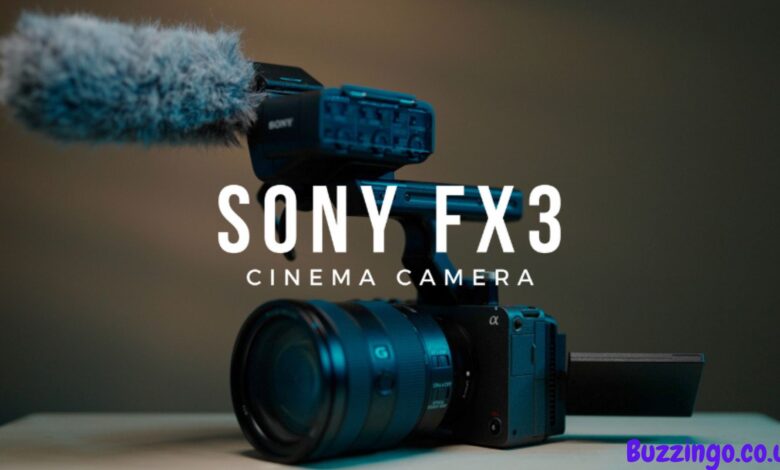
In the world of professional video production, Sony has consistently pushed the boundaries of technology, offering cameras that blend power, portability, and cinematic quality. The Sony FX3 is a standout in Sony’s Cinema Line, designed to deliver professional-grade video performance in a compact, lightweight body. Unlike traditional cinema cameras, the FX3 brings a combination of full-frame image quality, exceptional low-light performance, and versatile handling that appeals to independent filmmakers, content creators, and YouTubers alike.
The rise of high-quality online content and indie filmmaking has created a demand for cameras that are both professional and portable. The FX3 addresses this need, offering capabilities traditionally reserved for larger, more cumbersome cinema cameras. Its robust autofocus system, 4K recording at multiple frame rates, and wide dynamic range make it ideal for diverse shooting scenarios, from narrative filmmaking to live streaming and vlogging.
This guide provides an in-depth look at the Sony FX3, covering its features, benefits, setup, and accessories. We will explore how to leverage the camera for cinematic results, compare it with competitors, and provide tips for maximizing performance. By the end of this article, you will have a thorough understanding of why the FX3 has become a go-to choice for professionals and aspiring filmmakers looking to produce stunning, high-quality video content.
Overview of the Sony FX3
The Sony FX3 is Sony’s answer to the modern filmmaker’s need for a compact, powerful cinema camera. It belongs to Sony’s Cinema Line, which also includes the FX6 and FX9, but the FX3 distinguishes itself by combining professional video capabilities with the portability of a mirrorless body. At its core, it features a 12.1-megapixel full-frame sensor capable of capturing rich, cinematic footage with excellent color reproduction and dynamic range.
Compared to other models like the Sony A7S III, the FX3 is optimized for continuous video shooting, providing heat management and operational ergonomics designed for extended filming sessions. It supports 4K recording up to 120fps, 10-bit 4:2:2 color depth, and S-Cinetone color profiles, allowing filmmakers to achieve a cinematic look straight out of the camera. The camera also offers dual ISO capabilities, ensuring clean footage even in low-light conditions.
The FX3 is targeted at independent filmmakers, YouTubers, and professional videographers who need a versatile tool that performs well in various scenarios. Its compact size allows for handheld shooting, gimbal integration, and even drone mounting, making it highly adaptable. Whether capturing cinematic sequences, interviews, or action shots, the FX3 offers a balance of high-end video performance and manageable form factor that is rare in professional cameras.
Features and Benefits of the Sony FX3
One of the most celebrated features of the Sony FX3 is its image quality. The full-frame sensor delivers stunning clarity, rich color depth, and wide dynamic range, making it ideal for professional video production. Filmmakers can achieve cinematic visuals with precise control over exposure, shadows, and highlights. Additionally, the FX3 performs exceptionally well in low-light environments, thanks to its dual native ISO system that minimizes noise even in dimly lit scenes.
Autofocus capabilities are another highlight. The FX3 features real-time Eye AF and tracking, enabling subjects to stay perfectly in focus during dynamic shots. This is particularly beneficial for solo shooters or small crews, as the camera reliably maintains focus without requiring manual adjustments. The autofocus system, combined with smooth 4K recording up to 120fps, ensures professional-quality results for cinematic slow-motion sequences and action scenes.
Ergonomically, the FX3 is designed for versatility. Its lightweight body makes it comfortable for handheld use, while multiple mounting points support rigging with gimbals, cages, and drones. Audio features include dual XLR inputs via the included top handle, enabling professional audio recording without external adapters. The FX3 also offers connectivity options such as HDMI output, USB-C, Wi-Fi, and streaming capabilities, allowing seamless integration into professional workflows.
Finally, the camera’s efficient cooling system ensures reliable performance during extended recording sessions, preventing overheating—a common issue in high-end mirrorless cameras. Combined, these features make the Sony FX3 a complete solution for filmmakers who need a compact yet powerful camera capable of delivering cinematic results.
How to Use the Sony FX3 for Filmmaking
Using the Sony FX3 effectively requires understanding its diverse shooting options and settings. Beginners should start by selecting the appropriate frame rate and resolution for their project. The FX3 supports multiple 4K frame rates, including 24p for cinematic storytelling and 120fps for slow-motion sequences. Utilizing S-Cinetone or S-Log3 profiles provides maximum dynamic range for color grading during post-production.
Filmmakers should pay attention to ISO, shutter speed, and aperture settings to optimize exposure in different lighting conditions. The FX3’s dual native ISO makes low-light shooting simple, but balancing exposure and noise is crucial for high-quality results. For handheld shooting, enable in-body image stabilization (IBIS) to reduce camera shake. Pairing the FX3 with gimbals or tripods enhances stability for complex shots and creative camera movements.
Lens choice significantly affects the visual outcome. Prime lenses offer sharpness and aesthetic control, while zoom lenses provide flexibility for dynamic scenes. For interviews, wide apertures create beautiful background blur, while wider focal lengths are ideal for cinematic landscapes or action sequences. Additionally, integrating accessories like external monitors, microphones, and LED lights allows filmmakers to elevate production quality.
Finally, understanding workflow is key. Recording in high-bitrate codecs such as XAVC S-I ensures maximum quality for post-production. Regularly checking storage and battery life prevents interruptions during shoots. By mastering these techniques, filmmakers can fully exploit the Sony FX3’s capabilities to create professional-quality videos.
Accessories and Lenses for Sony FX3
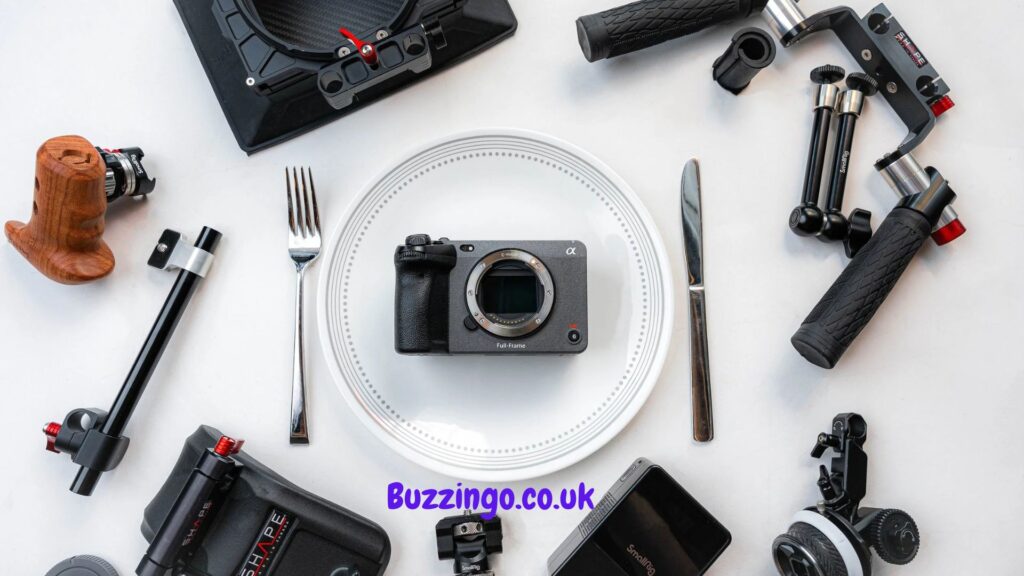
The Sony FX3 is highly versatile due to its extensive accessory ecosystem. Recommended lenses include wide-angle primes for landscapes, fast aperture lenses for cinematic depth-of-field, and zoom lenses for flexibility in dynamic scenes. Popular options like the Sony 24-70mm f/2.8 or 16-35mm f/2.8 are ideal for a wide range of shooting conditions.
Essential accessories enhance functionality. Gimbals and cages stabilize handheld shooting, while external monitors provide better framing and focus accuracy. The top handle with XLR inputs allows professional audio recording, and external lights improve low-light shooting. Tripods and sliders offer precision for static or movement-heavy shots. Each accessory increases creative control, ensuring filmmakers can achieve professional cinematic results.
Wireless adapters and spare batteries extend shooting time and flexibility. Storage solutions such as CFexpress cards enable high-bitrate recording without interruption. Combined, these accessories allow users to fully exploit the FX3’s capabilities, transforming it into a complete production system suitable for professional filmmaking.
Comparing Sony FX3 with Competitors
The Sony FX3 competes with cameras like the Canon EOS C70 and Blackmagic Pocket Cinema Camera 6K. Compared to Canon’s C70, the FX3 is more compact and portable, making it ideal for solo shooters. While the C70 offers a larger sensor and internal ND filters, the FX3 excels in low-light performance and seamless integration with Sony lenses and ecosystems.
Compared to Blackmagic’s Pocket Cinema Camera 6K, the FX3 provides superior autofocus, dual native ISO for low-light shooting, and a more robust build for versatile filmmaking environments. Blackmagic cameras offer higher resolution raw recording and color grading flexibility, but FX3’s portability and reliability make it more practical for on-the-go shoots.
Ultimately, the choice depends on the filmmaker’s priorities—Sony FX3 appeals to those seeking compact design, excellent low-light performance, and professional video features in a manageable form factor, while other competitors may suit niche professional workflows or specific project requirements.
Conclusion
The Sony FX3 is a powerful, compact cinema camera that bridges the gap between professional video quality and portability. With full-frame image quality, advanced autofocus, and versatile ergonomics, it caters to independent filmmakers, content creators, and professional videographers seeking high-quality results in a manageable package.
Understanding its features, optimal settings, lens selection, and accessories ensures filmmakers can leverage the FX3’s capabilities to create cinematic visuals. Its competitive advantages, including low-light performance, dual native ISO, and robust workflow integration, make it a leading choice for modern filmmaking. With proper handling, setup, and accessories, the Sony FX3 empowers creators to produce professional, cinematic content with ease and flexibility.
FAQs
What video resolutions and frame rates does the Sony FX3 support?
The FX3 supports 4K up to 120fps, Full HD up to 240fps, and multiple professional codecs for high-quality recording.
Is the Sony FX3 good for low-light shooting?
Yes, dual native ISO and full-frame sensor ensure excellent low-light performance with minimal noise.
Can I use Sony FX3 for live streaming?
Yes, it supports USB-C streaming and HDMI output for professional live-stream setups.
What lenses are best suited for the Sony FX3?
Wide-angle primes, 24-70mm f/2.8 zooms, and cinematic fast-aperture lenses are highly recommended.
How does the Sony FX3 compare with the Sony A7S III?
FX3 is optimized for continuous video, has enhanced heat management, and includes professional connectivity options.
Can beginners use the Sony FX3 effectively?
Yes, intuitive menus, preset profiles, and autofocus features make it accessible for beginners while offering advanced tools for pros.
What accessories are essential for the Sony FX3?
Gimbals, cages, external monitors, XLR audio adapters, and quality lenses significantly enhance performance.
How long does the battery last during continuous 4K shooting?
Typically, 1–2 hours depending on settings and usage, with options for external power or battery swaps to extend shooting time.
You May Also Read: Marshall Headphones