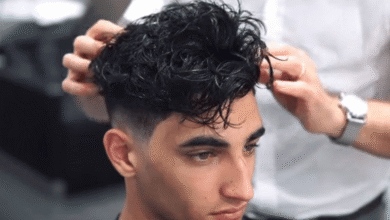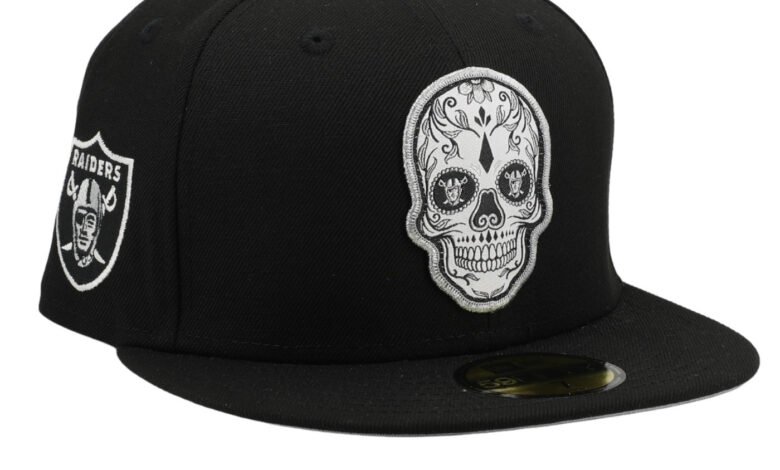
The Skull Cap is a small, fitted piece of headwear that has been worn for centuries across cultures, religions, and fashion movements. Often simple in design, it sits snugly on the head, covering the crown and sometimes the ears, and serves multiple purposes—from religious observance to practical hair protection, warmth, and modern style. Despite its modest appearance, the skull cap carries a rich history and continues to play an essential role in contemporary culture and fashion.
Historically, skull caps were used as protective headwear, providing warmth and modesty. Over time, their role expanded to reflect cultural and religious identities. Today, skull caps are also embraced as fashion accessories, appearing in streetwear, winter collections, and even high-end designer lines. They are valued for their versatility, comfort, and ability to complement various hairstyles without causing disruption.
From traditional religious versions to modern knitted beanies, the skull’cap offers both functionality and style. Its enduring popularity is a testament to its adaptability, bridging generations and cultures. Understanding its history, types, uses, and proper care can help enthusiasts, wearers, and collectors appreciate this timeless piece of headwear. This article explores the many dimensions of the skull cap, highlighting its evolution, design, benefits, and practical guidance for choosing and maintaining it.
History of the Skull Cap
The origins of the Skull Cap can be traced back to ancient civilizations where small, fitted caps served functional and ceremonial purposes. Early versions were typically made from natural fibers such as wool, cotton, or linen, providing warmth and protecting the head from the elements. In colder climates, these caps were especially practical, and they eventually became a staple in everyday wear.
Religiously, skull’caps hold significant importance in various cultures. In Judaism, the kippah is worn to show reverence to God, while in Islam, the taqiyah is often worn during prayer. Similarly, the zucchetto is used in Christianity, notably among clergy. These religious forms of skull caps are carefully crafted and often follow specific cultural or ceremonial guidelines. Beyond religious observance, they also convey identity, respect, and adherence to tradition, creating a deep connection between headwear and cultural heritage.
Over time, the skull cap evolved beyond its purely functional or religious roles. During the 19th and 20th centuries, it gained popularity as everyday headwear in Europe, the Middle East, and Asia. It became a symbol of modesty, fashion, and social status. Modern iterations continue this evolution, merging traditional designs with contemporary materials and styles. Today, skull’caps are as much a statement of fashion as they are a cultural or religious marker, demonstrating their remarkable adaptability through centuries of human history.
Types and Styles of Skull Caps
Skull caps come in a wide variety of styles, reflecting their diverse roles in fashion, culture, and religion. Traditional skull caps include religious variants such as the Jewish kippah, Muslim taqiyah, and Christian zucchetto. These versions are usually simple in design, often made from soft fabrics that allow comfortable wear during prayer or ceremonies. They are considered symbolic, representing faith, devotion, and respect for tradition.
Modern fashion skull caps have expanded this concept into streetwear and casual styles. Beanie-like skull caps are common in winter collections, offering warmth and style. Fitted caps are popular among youth culture and casual fashion enthusiasts for their versatility and ability to complement various outfits. The adaptability of modern skull caps makes them suitable for indoor wear, outdoor activities, or as a simple fashion statement.
Material plays a critical role in the design and comfort of skull caps. Common fabrics include cotton for breathability, wool for warmth, polyester for durability, and silk for luxury and softness. Some caps blend multiple fibers to achieve specific qualities, such as stretch, insulation, or moisture-wicking. The choice of material affects not only comfort but also the cap’s lifespan and suitability for different occasions or weather conditions.
Seasonal variants further enhance functionality. Winter skull’caps are typically insulated and thicker to retain heat, while summer versions are lightweight and breathable, preventing discomfort during hot weather. Whether used for fashion, religious observance, or practical purposes, skull caps demonstrate remarkable versatility in both design and application.
Uses and Benefits of Wearing a Skull Cap
The Skull Cap serves multiple purposes across cultural, religious, and practical contexts. Culturally and religiously, it represents reverence, tradition, and identity. In Judaism, Islam, and Christianity, wearing a skull cap can denote respect during prayer or ceremonies. These caps are often integral to religious practice, providing a tangible link to faith while preserving centuries-old traditions.
Beyond cultural significance, skull’caps offer practical benefits for hair protection and comfort. They reduce friction between hair and external surfaces, helping maintain hairstyles and prevent tangling. Wearing a skull cap during sleep or under helmets is especially beneficial for people with long hair or delicate hair textures. Additionally, caps provide a barrier against dust, sweat, and environmental factors, making them a practical accessory for everyday use.
In fashion, skull caps have become versatile style tools. They can complement casual streetwear, formal attire, or sporty outfits. Designers often experiment with colors, patterns, and materials to create visually appealing options for personal expression. Skull caps can be paired with jackets, hoodies, or coats, making them a functional accessory that elevates an outfit while providing warmth or comfort.
Practically, skull caps also offer thermal benefits. Insulated versions provide warmth in winter or cold climates, while lightweight, breathable caps protect the scalp from sun exposure or help retain moisture. This combination of fashion, comfort, and functionality explains why skull’caps have maintained popularity across centuries and continents.
How to Choose the Right Skull Cap
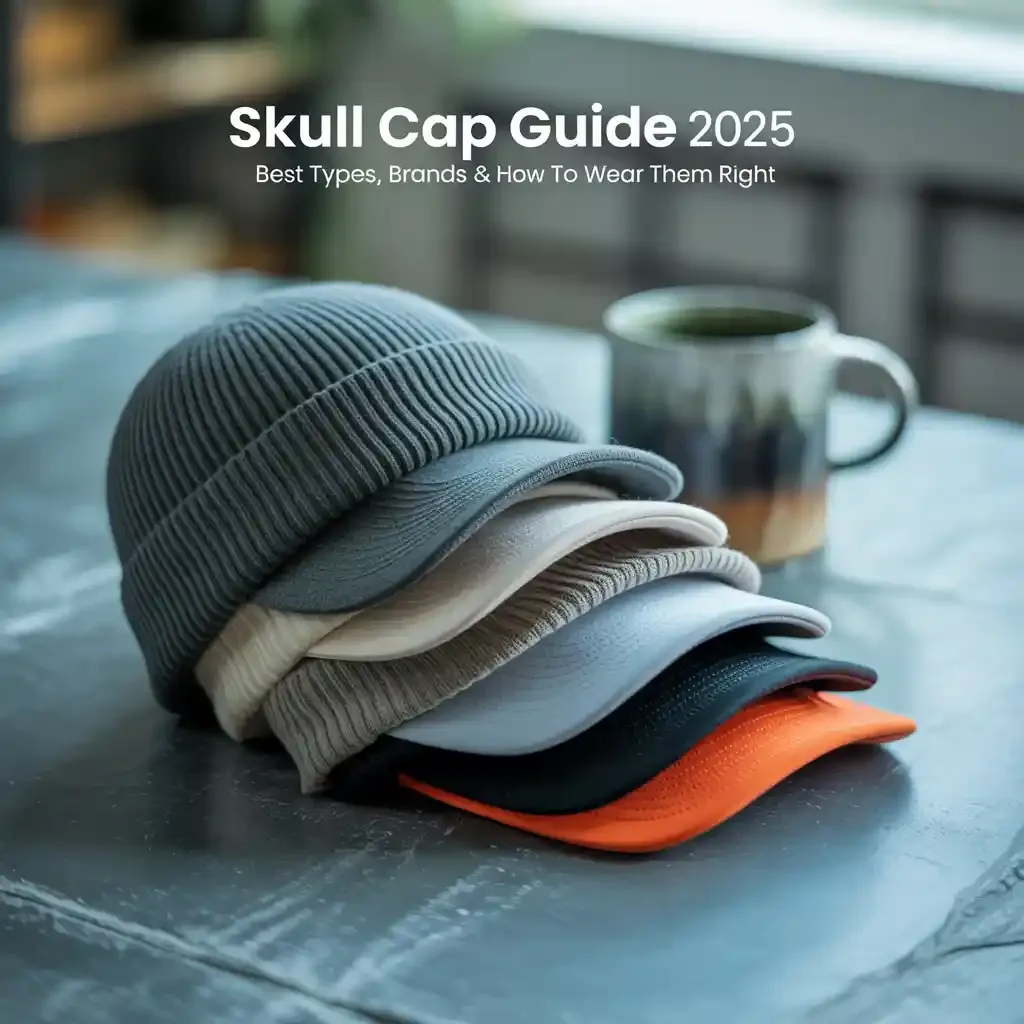
Choosing the right Skull Cap depends on several factors, including purpose, material, fit, and personal style. Determining whether the cap is for religious observance, fashion, or practical use is the first step. Religious or ceremonial purposes often require adherence to specific designs and materials, while fashion-oriented skull’caps allow more flexibility in color and texture.
Material selection is crucial for comfort. Breathable fabrics such as cotton are ideal for summer, whereas insulated wool or fleece versions are better for winter. Silk or soft blends may appeal to those prioritizing hair protection or indoor comfort. The right material ensures the cap can be worn for extended periods without discomfort or irritation.
Size and fit also matter. A snug but non-restrictive fit is important for comfort and effectiveness. Stretchable fabrics or adjustable designs accommodate various head sizes, ensuring the cap stays in place without causing pressure or headaches. Proper fit also enhances aesthetic appeal, creating a polished look for both fashion and religious settings.
Finally, color, design, and style preferences should align with personal taste and intended use. Neutral tones and subtle patterns are ideal for formal or religious contexts, while vibrant colors or unique designs can make a fashion statement. Considering these factors ensures that the chosen skull’cap is both practical and visually appealing.
Caring for Your Skull Cap
Proper care is essential to maintain the shape, texture, and longevity of a Skull Cap. Most fabric skull caps should be hand-washed with mild detergent to preserve softness and color. Machine washing may be acceptable for some durable fabrics, but using cold water and gentle cycles is recommended. Air-drying is preferable to prevent shrinkage or damage.
Storage is equally important. Skull’caps should be kept in a dry, clean space, away from sunlight and moisture. Using shelves, drawers, or dedicated headwear organizers helps maintain shape and prevents wrinkles or deformation. Avoiding exposure to pests, such as moths, ensures the cap remains in good condition over time.
Regular maintenance includes checking for loose threads, minor tears, or color fading. Timely repairs or gentle cleaning can significantly extend the lifespan of a skull cap. For collectors, display options such as clear cases or stands can showcase caps while protecting them from dust and damage. Proper care guarantees that both functional and decorative skull’caps remain attractive and durable for years.
Conclusion
The Skull Cap is a versatile and historically significant piece of headwear. From its origins in ancient civilizations to its current role in religion, fashion, and practical daily use, the skull’cap has endured as both a functional and symbolic accessory. Its adaptability across cultures, seasons, and personal style preferences demonstrates its enduring appeal.
Understanding the types, materials, and proper usage of skull caps allows wearers to make informed choices, ensuring comfort, style, and compliance with cultural or religious norms. Proper care and maintenance further extend their usefulness and aesthetic value. Whether for tradition, fashion, or practical benefits, the skull cap remains an iconic headwear piece that continues to evolve while preserving its cultural significance.
Frequently Asked Questions (FAQs)
What is a Skull Cap used for?
For religious, cultural, fashion, warmth, and hair protection purposes.
Which religions use skull caps?
Judaism (kippah), Islam (taqiyah), and Christianity (zucchetto).
What materials are best?
Cotton, wool, polyester, silk, or blended fabrics depending on use.
How do I choose the right size?
Snug but comfortable; stretchable or adjustable caps work best.
Can skull caps be a fashion accessory?
Yes, modern caps come in various colors, patterns, and styles.
How should I clean and maintain one?
Hand-wash or gentle machine wash; air-dry and store in a dry place.
Are skull caps suitable for all seasons?
Yes; lightweight for summer, insulated for winter.
Traditional vs modern skull caps?
Traditional follow cultural/religious designs; modern focus on fashion and comfort.
Can skull caps protect hair under helmets or during sleep?
Yes, they reduce friction, prevent tangles, and protect hairstyles.
How do styles vary across cultures?
Designs differ in shape, embroidery, materials, and symbolic meaning depending on region and religion.
You May Also Read: Warren James