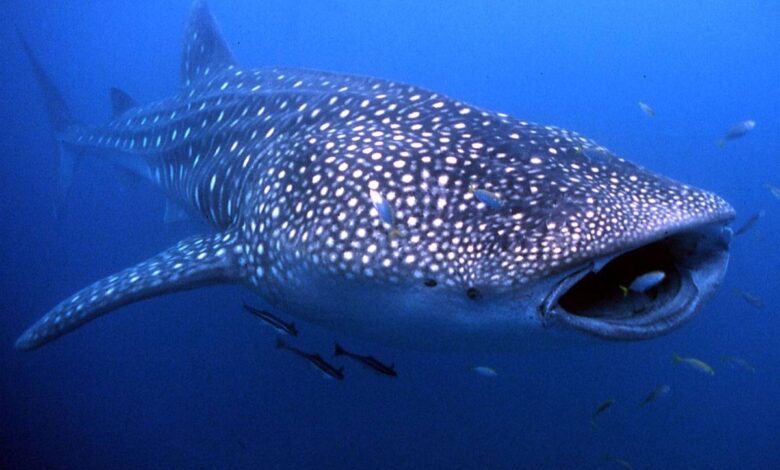
Tenerife is one of the most popular destinations in the Canary Islands, attracting millions of visitors every year with its volcanic landscapes, beaches, warm climate, and impressive marine biodiversity. Many travellers search for Shark Tenerife because they want to understand whether sharks live around the island, whether swimming is safe, and what types of marine animals they may encounter while diving or snorkeling. The answer is simple: yes, sharks exist in the waters around Tenerife, but dangerous encounters with humans are extremely rare.
Unlike destinations known for large predator shark tourism, Tenerife is mainly recognised for unique and peaceful marine experiences. The island is especially famous among divers for sightings of angel sharks, a rare and fascinating species that spends much of its time resting on sandy seabeds. The surrounding Atlantic waters also support other shark species, making Tenerife an interesting destination for people who want to explore marine life responsibly.
Are There Sharks in Tenerife?
Yes, there are sharks in Tenerife and the surrounding Canary Islands waters, but most species are not considered a threat to swimmers. The ocean around Tenerife contains a variety of marine habitats created by volcanic formations, deep Atlantic waters, and nutrient-rich currents. These conditions support different species, including angel sharks, smooth-hound sharks, and several offshore shark species.
The most famous shark associated with Tenerife is the angel shark, also known as Squatina squatina. Although it is called a shark, its flat body shape makes it look similar to a ray. Angel sharks usually rest on sandy seabeds where they camouflage themselves while waiting for small fish and other prey. They are generally calm animals and are highly appreciated by divers because of their unusual appearance and behaviour.
Many visitors worry about shark attacks when they hear about sharks in Tenerife, but the reality is very different. Most sharks naturally avoid humans, and common tourist activities such as swimming, snorkeling, and beach visits are not considered high-risk because of shark activity. The presence of sharks is actually an important sign that Tenerife’s marine environment remains biologically valuable.
Understanding that sharks are part of the natural ecosystem helps visitors appreciate them rather than fear them. Tenerife offers an opportunity to observe marine wildlife in its natural environment while learning about the importance of protecting ocean species.
What Types of Sharks Live Around Tenerife?
The waters around Tenerife are home to several shark species, although their behaviour, habitat, and likelihood of being seen vary greatly. Some species live closer to coastal areas, while others prefer deeper offshore waters. Knowing the difference helps visitors understand what they might realistically see during a marine excursion.
Angel sharks are among the most important species connected with Tenerife. These unusual sharks are often found in sandy coastal areas where they can blend into the seabed. Their peaceful nature and unique appearance make them one of the main attractions for underwater photographers and divers exploring Tenerife’s marine environment.
Smooth-hound sharks are another species that may be found around the Canary Islands. They are smaller sharks that usually prefer coastal waters and are not known for aggressive behaviour toward humans. They are less famous than angel sharks but still contribute to the diversity of marine life around Tenerife.
Larger species such as blue sharks, hammerhead sharks, and shortfin makos can also occur in deeper Atlantic waters around the Canary Islands. However, these sharks are usually associated with offshore environments rather than popular swimming beaches. Sightings depend on conditions such as season, water temperature, and food availability, so they should be considered occasional encounters rather than guaranteed experiences.
Are Sharks Dangerous in Tenerife?
One of the biggest questions travellers ask before visiting is whether sharks are dangerous in Tenerife. The answer is that shark-related danger for normal beach visitors is extremely low. Tenerife is a popular destination for swimming, surfing, snorkeling, and diving, and millions of people enjoy these activities every year without shark-related incidents.
Most sharks are naturally cautious and avoid contact with humans. Problems usually occur when marine animals are disturbed, approached incorrectly, or affected by irresponsible behaviour. This is why responsible wildlife tourism focuses on observing animals from a respectful distance rather than trying to touch or interact with them.
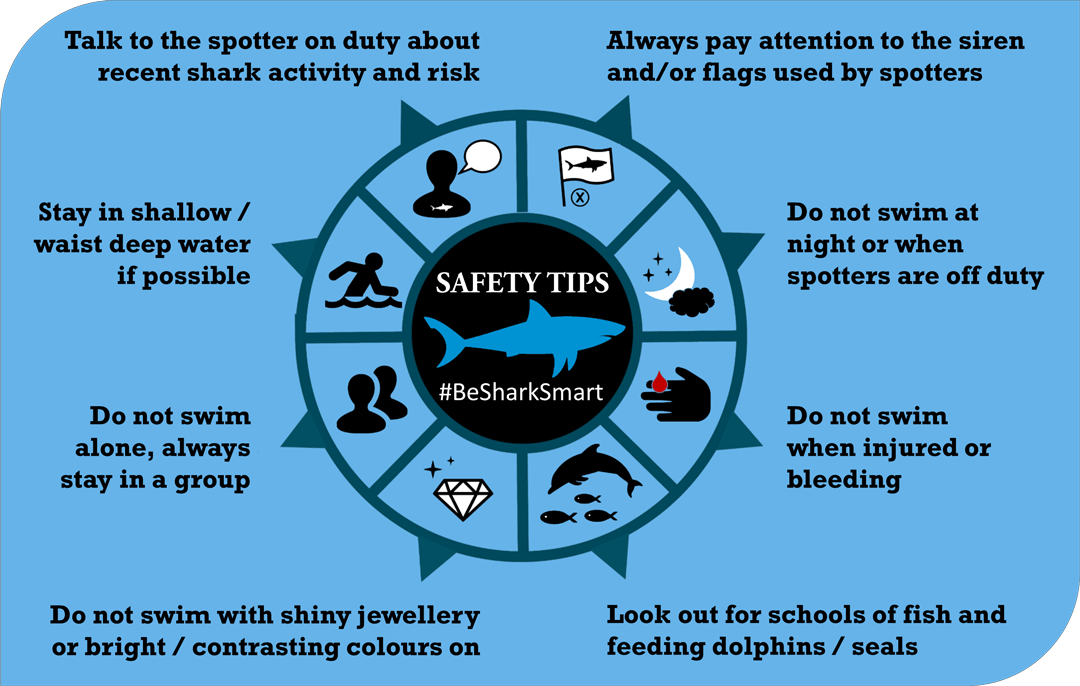
Visitors should still follow normal ocean safety rules. Paying attention to weather conditions, respecting warning signs, listening to lifeguards, and avoiding restricted areas are important parts of staying safe in any marine environment. Ocean conditions, currents, and waves generally create more common risks than sharks.
For anyone joining a diving or snorkeling trip, professional guides provide additional safety information and explain how to behave around marine life. Following their instructions helps protect both visitors and animals while creating a better experience underwater.
Best Places to See Sharks and Marine Life in Tenerife
Tenerife offers several locations where visitors can explore its underwater world and potentially observe shark species. One of the best-known places for angel shark encounters is Abades, located on the southeast coast of the island. The area is popular among divers because its underwater conditions provide suitable habitats for these unique sharks.
The southern areas of Tenerife, including locations around Los Cristianos and nearby coastal zones, are also popular for diving activities. These areas offer access to underwater landscapes where visitors may encounter different marine species, including rays, turtles, fish, and occasionally sharks depending on conditions.
Las Teresitas is another important area connected with angel shark conservation. The location has gained attention because of its role as a habitat area for these sharks. Protecting these environments helps ensure that future generations can continue experiencing Tenerife’s marine biodiversity.
Choosing the right location does not guarantee a shark sighting because wildlife encounters cannot be controlled. The best approach is to enjoy the complete underwater experience rather than focusing only on finding one specific animal. Tenerife’s marine environment offers many memorable discoveries beyond sharks.
Shark Diving and Snorkeling Experiences in Tenerife
Shark diving in Tenerife is focused more on education, conservation, and natural observation than extreme adventure. Unlike some destinations where tourists enter cages to see large predatory sharks, Tenerife provides opportunities to explore marine habitats where species such as angel sharks can be observed in a calmer environment.
Diving centres across the island offer experiences for different skill levels, including beginner courses and guided dives for experienced divers. Before entering the water, responsible operators explain safety procedures, underwater behaviour, and conservation practices. These guidelines help visitors enjoy marine life without disturbing natural patterns.
Snorkeling is another popular activity for visitors who want to experience Tenerife’s underwater environment without advanced diving equipment. While shark sightings during snorkeling are uncommon, snorkelers can still discover volcanic rock formations, colourful fish, rays, and other Atlantic wildlife.
The best marine experiences come from respecting nature. Touching animals, chasing wildlife, or attempting to force encounters can harm marine creatures and reduce the quality of future experiences. Ethical tourism allows visitors to enjoy Tenerife’s underwater world while supporting conservation efforts.
Shark Conservation and Marine Protection in Tenerife
Shark conservation is an important part of protecting Tenerife’s ocean environment. Sharks play a vital role in maintaining healthy marine ecosystems by helping balance populations of other species. Protecting sharks also helps protect the wider ocean environment that supports countless marine organisms.
Angel sharks are especially important because they are considered a threatened species in many areas. Their survival depends on protecting suitable habitats, reducing human impact, and increasing public awareness. Tenerife has become an important location for learning about these sharks and encouraging responsible interaction with marine life.
Visitors can support shark conservation by choosing responsible diving operators, avoiding activities that disturb wildlife, and respecting marine protection rules. Simple actions such as not leaving rubbish in coastal areas and avoiding damage to underwater habitats can make a positive difference.
Tourism and conservation can work together when visitors understand the importance of protecting marine species. Tenerife provides a valuable example of how people can enjoy wildlife experiences while contributing to the preservation of fragile ocean ecosystems.
Tips for a Responsible Shark Experience in Tenerife
Anyone interested in sharks in Tenerife should approach the experience with curiosity and respect. Marine wildlife is unpredictable, and no tour can guarantee a shark sighting. The most rewarding experiences come from appreciating the entire underwater environment rather than focusing only on one species.
Before booking a diving or snorkeling trip, visitors should choose operators that follow responsible wildlife practices. Professional companies usually prioritise safety, education, and conservation rather than creating stressful situations for animals. This ensures a better experience for both tourists and marine life.
Visitors should avoid feeding, touching, or chasing sharks and other sea creatures. Maintaining distance allows animals to behave naturally and reduces unnecessary stress. Responsible behaviour also helps protect Tenerife’s reputation as a destination for sustainable marine tourism.
By following these principles, travellers can enjoy the fascinating world of Tenerife sharks while helping preserve the ocean environment for future visitors.
Conclusion
Shark Tenerife is not about dangerous encounters; it is about discovering a unique marine ecosystem filled with fascinating species and underwater experiences. Sharks do live around Tenerife, but most are peaceful animals that avoid humans. The island is especially known for angel sharks, which attract divers and marine enthusiasts because of their unusual appearance and importance to conservation.
From exploring diving areas such as Abades to learning about shark protection, Tenerife offers visitors the chance to experience marine life responsibly. Understanding shark behaviour, respecting wildlife, and choosing ethical activities allow travellers to enjoy the ocean while supporting the protection of these remarkable creatures.
FAQs
Are there sharks in Tenerife?
Yes, sharks live in the waters around Tenerife, but dangerous encounters with swimmers are extremely rare.
Are sharks dangerous in Tenerife?
No, most sharks around Tenerife avoid humans, and normal swimming activities are considered very safe.
What shark species can be seen in Tenerife?
Angel sharks are the most famous, while other species include smooth-hound sharks and some offshore sharks.
Where can you see sharks in Tenerife?
Abades is one of the best-known areas for divers hoping to observe angel sharks in Tenerife.
Can beginners go shark diving in Tenerife?
Yes, many diving centres offer beginner-friendly marine experiences with professional guidance and safety instructions.
You May Also Read: Robbie Cummings Age