Remote working jobs have become an integral part of the modern workforce. Once considered a niche option for freelancers or tech-savvy professionals, remote work has now evolved into a mainstream career choice. Fueled by technological advancements, globalization, and changing work cultures, these jobs allow employees to perform their duties from virtually anywhere in the world. From corporate roles to creative positions, the opportunities are vast and continuously expanding.
The surge in remote work can be attributed to multiple factors, including the growing reliance on digital tools, improved communication platforms, and the shift in company priorities toward flexibility. Employees now value work-life balance, reduced commuting, and the freedom to work from locations that suit their lifestyle. For employers, remote work provides access to a global talent pool, reduces operational costs, and often increases productivity when managed effectively.
Remote working jobs are not limited to any single industry. They span technology, marketing, creative arts, customer service, education, and beyond. Whether you are a seasoned professional or someone seeking to start a new career path, remote work offers options that align with various skill sets, preferences, and goals. This guide explores the landscape of remote working jobs, the skills required, and strategies to find, excel, and grow in a remote career.
Understanding Remote Working Jobs
What Are Remote Working Jobs?
Remote working jobs allow employees to perform tasks outside a traditional office environment. They can be fully remote, where the employee never needs to visit a physical office, or hybrid, combining remote work with occasional in-office requirements. Freelance roles fall under this category as well, where professionals work independently for multiple clients.
Industries offering remote work opportunities are vast. Tech companies, marketing agencies, media firms, education platforms, and customer service providers are increasingly embracing remote employment. Roles in software development, graphic design, digital marketing, writing, virtual assistance, and project management are particularly popular. The proliferation of cloud-based tools and collaboration software has made it easier for employees and teams to stay connected, regardless of location.
Despite its popularity, there are myths surrounding remote work. Some believe it is less productive than office-based jobs, or that it is only suitable for tech-savvy individuals. However, research and real-world experience indicate that well-structured remote roles can be highly productive, inclusive, and sustainable. Understanding the structure, benefits, and challenges of remote work is essential for anyone considering this path.
Benefits of Remote Working Jobs
One of the most appealing aspects of remote working jobs is flexibility. Employees can often set their schedules to accommodate personal commitments, hobbies, and family time. This level of control contributes to improved work-life balance, mental health, and job satisfaction. Additionally, remote work reduces commuting time and associated expenses, allowing employees to save money and invest in experiences or personal development.
Remote work also opens the door to global employment opportunities. Professionals are no longer restricted by geographic boundaries and can apply for positions in international companies without relocating. This can lead to higher-paying roles, exposure to diverse work cultures, and a more dynamic career trajectory. Moreover, remote work fosters independence, time-management skills, and self-discipline, all of which are highly valued in modern workplaces.
For employers, the benefits include cost savings on office space, utilities, and administrative expenses. Remote work can also boost productivity, as employees have fewer office distractions and can design their work environment to maximize focus. This mutual benefit makes remote work a sustainable and increasingly preferred model for companies worldwide.
Challenges of Remote Work
While remote working jobs offer numerous advantages, they also come with challenges. Communication and collaboration can be difficult without face-to-face interactions, requiring employees to rely heavily on digital tools and clear communication protocols. Misunderstandings or delays in responses can impact productivity and workflow.
Maintaining productivity requires strong self-discipline and time-management skills. Remote employees must create routines, set boundaries, and avoid distractions, which can be challenging in a home environment. Isolation and a lack of social interaction can also affect mental health, especially for individuals accustomed to team environments.
Despite these challenges, many remote workers successfully navigate them through structured schedules, regular check-ins, team collaboration tools, and intentional social engagement. Awareness of potential pitfalls is key to developing strategies for a productive and satisfying remote career.
Types of Remote Working Jobs
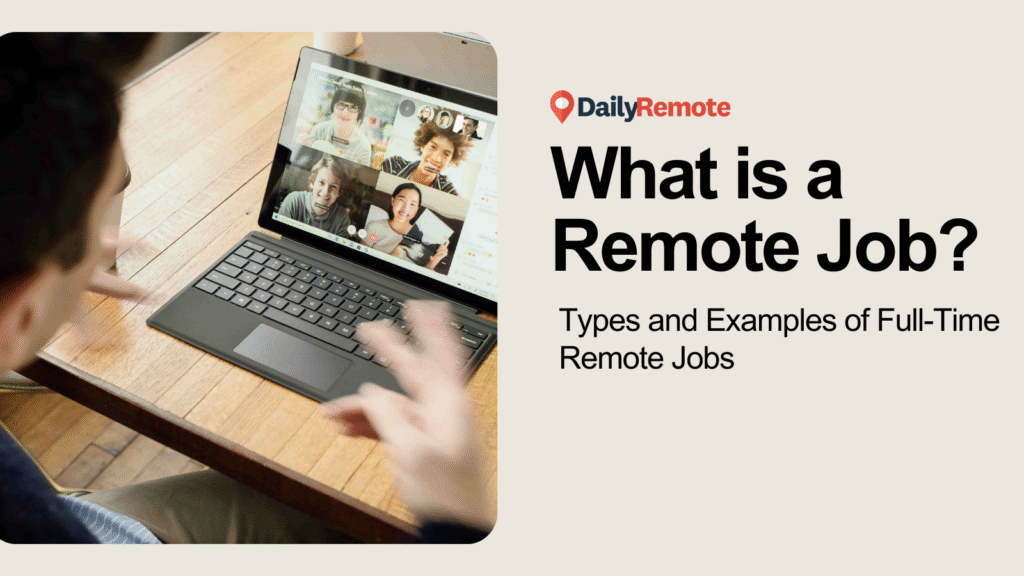
Technology and IT Roles
Technology remains the leading sector for remote working jobs. Software development, web development, and mobile app creation are among the most sought-after positions. Roles in data analysis, cybersecurity, cloud computing, and DevOps are also highly in demand. These positions often require specialized technical skills, but they provide high-paying and sustainable career options.
Remote tech roles benefit from global collaboration tools, version control software, and cloud infrastructure. Teams can work across time zones, delivering projects efficiently without being physically present. These roles are ideal for individuals who enjoy problem-solving, coding, and continuous learning in a dynamic, digitally-driven environment.
Creative and Content-Based Roles
Creative professions have flourished in the remote work landscape. Writers, editors, content creators, graphic designers, and video editors can all perform their tasks from home or any location. The rise of digital marketing and online media has further expanded opportunities in this field.
Remote creative roles allow professionals to manage multiple projects, work with international clients, and explore innovative approaches to content creation. Collaboration tools like Slack, Trello, and Figma enable seamless communication and project tracking, ensuring deadlines are met while maintaining creative freedom.
Business, Marketing, and Support Roles
Remote work is not limited to tech or creative sectors. Business and administrative roles, such as digital marketing specialists, sales representatives, customer support agents, project managers, and virtual assistants, are increasingly remote-friendly. These positions often require organizational, analytical, and interpersonal skills.
Digital marketing and SEO roles involve strategy, content optimization, and analytics that can be managed online. Customer support and virtual assistant positions allow employees to interact with clients via email, chat, or video conferencing. Project managers coordinate tasks, monitor progress, and facilitate collaboration, all within remote-friendly platforms.
Skills Required for Remote Working Jobs
Technical and Job-Specific Skills
Each remote job requires specific technical expertise. Software developers need coding languages, designers require graphic tools proficiency, and digital marketers must understand SEO and analytics. Familiarity with remote collaboration tools such as Zoom, Slack, Trello, and Google Workspace is often essential.
Developing these technical skills enhances employability and ensures smooth workflow in a virtual environment. Continuous learning, online courses, and certifications are excellent ways to stay competitive in the remote job market.
Soft Skills for Remote Success
Soft skills are equally important. Effective communication, self-discipline, time management, and adaptability are crucial for remote success. Employees must proactively report progress, meet deadlines, and manage their workload independently. Problem-solving skills and a proactive mindset help navigate the unique challenges of remote work, such as time zone differences or limited supervision.
Remote workers who cultivate these skills not only perform better but also advance their careers more quickly. Employers value professionals who can maintain productivity, collaborate effectively, and contribute positively to virtual teams.
How to Find Remote Working Jobs
Job Platforms and Websites
Finding remote working jobs has become easier thanks to specialized job boards and platforms. Websites like Remote.co, We Work Remotely, FlexJobs, and LinkedIn allow users to filter for remote positions across industries and experience levels. Company career pages often list remote opportunities directly, providing a trustworthy source of employment.
Application and Interview Tips
Applying for remote roles requires attention to detail. A well-structured CV highlighting relevant remote skills and experiences can make a strong impression. Portfolios and work samples are particularly important for creative and technical roles.
Remote interviews often take place via video calls, making preparation critical. Clear communication, a professional environment, and familiarity with online meeting tools help candidates stand out. Demonstrating self-discipline and a track record of successful remote work can further enhance employability.
Productivity and Career Growth in Remote Jobs
Staying Productive While Working Remotely
Maintaining productivity in a remote setting requires an organized workspace, routines, and boundaries. Tools like task managers, focus apps, and communication platforms help streamline work and reduce distractions. Scheduling breaks and maintaining regular working hours prevent burnout and improve performance.
Advancing Your Remote Career
Career growth in remote jobs depends on continuous upskilling, networking, and visibility. Certifications, workshops, and online courses enhance skills and make employees more marketable. Virtual networking, social media engagement, and active participation in remote communities also help build professional connections.
Remote workers who invest in learning, adaptability, and relationship-building are more likely to secure promotions, higher-paying roles, and long-term career satisfaction.
Conclusion
Remote working jobs offer unprecedented flexibility, global opportunities, and the potential for a balanced, fulfilling career. While challenges like communication barriers and self-discipline exist, they are manageable with the right strategies and tools. From technology and creative roles to business and support positions, remote work spans diverse industries and caters to multiple skill levels. By understanding the types of remote jobs, required skills, and methods for finding opportunities, professionals can build successful careers in this evolving digital landscape.
Frequently Asked Questions (FAQs)
What are the best remote working jobs for beginners?
Entry-level positions in virtual assistance, customer support, content writing, and data entry are ideal for beginners.
Are remote working jobs reliable and secure?
Yes, especially when obtained through reputable companies and verified job platforms.
Do remote jobs pay less than office jobs?
Salaries vary, but many remote roles offer competitive pay, especially in tech and specialized fields.
What equipment is needed for remote work?
A reliable computer, high-speed internet, headset, and access to collaboration tools are typically required.
How can I avoid remote job scams?
Verify job postings, research companies, and avoid roles that ask for upfront payments or personal financial information.
Can remote working jobs be done internationally?
Yes, many remote roles allow employees to work from different countries, provided time zones and legal requirements are managed.
You May Also Read: Arsenal Gifts