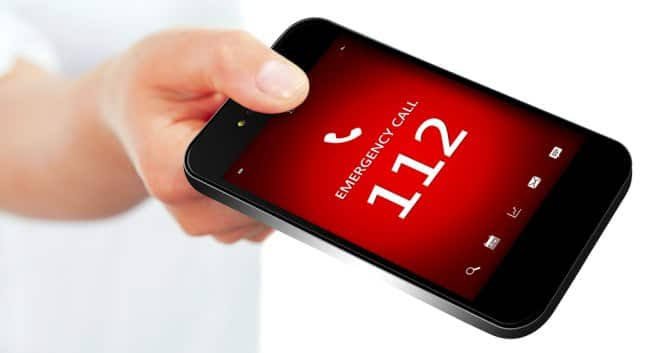
Accidentally Called 112 can be a stressful moment, especially when you suddenly realize that you have contacted emergency services without needing help. Many people immediately worry about whether the police will arrive, whether they will receive a fine, or whether they have caused a serious problem. The good news is that a genuine mistake is usually handled calmly by emergency operators. The most important thing is to respond correctly and help confirm that there is no real emergency.
The number 112 is an emergency telephone number used in many countries, especially across Europe, to connect people with police, ambulance, and fire services. Modern smartphones, smartwatches, and emergency safety features have made it easier to reach emergency help quickly, but they have also increased accidental calls. A pocket press, child touching a phone, or an automatic Emergency SOS feature can activate a call without the user intending it.
If you accidentally called 112, the best action is simple: stay calm, stay on the line if possible, and explain what happened. Emergency operators deal with accidental calls regularly and their main priority is confirming that everyone is safe. Understanding the process can help you avoid unnecessary panic and handle the situation responsibly.
What Happens After You Accidentally Call 112?
When you accidentally call 112, the call is treated as a possible emergency until the operator can confirm what happened. If you notice the mistake while the call is connecting, do not immediately hang up. Instead, wait for the operator and clearly explain that the call was accidental. A simple explanation such as “I called by mistake and there is no emergency” is usually enough for the operator to record the situation and end the call.
If you disconnect before speaking with anyone, emergency services may try to contact you again. A silent or disconnected emergency call can create uncertainty because operators cannot know whether someone called accidentally or whether someone needs help but cannot speak. Answering a callback and explaining the situation helps remove that uncertainty and allows emergency workers to focus on genuine emergencies.
The exact response can depend on your country, mobile network, and local emergency procedures. In some cases, the situation may end after a quick callback. In other cases, operators may take additional steps if they have concerns about the caller’s safety. The important point is that cooperation and clear communication usually prevent unnecessary confusion.
What Should You Do Immediately After Called 112 by Mistake?
The first thing to do after accidentally Called 112 is remain calm. Many people feel embarrassed and immediately end the call, but staying connected is the better option. Emergency operators are not there to punish people for honest mistakes; they need information to determine whether assistance is required.
If the operator answers, explain the mistake clearly and provide any information they need. You do not need to give a long explanation. Simply confirming that there is no emergency and that everyone is safe is usually enough. Once the operator understands the situation, they can close the call appropriately.
If you already hung up, keep your phone nearby and answer any incoming calls. Emergency services may call back to check whether you need assistance. Ignoring the callback can create more uncertainty, while answering and explaining the mistake helps resolve the situation quickly.
Will Police Come If You Accidentally Call 112?
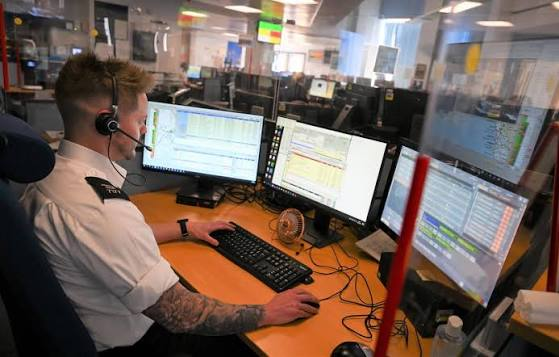
Many people worry that accidentally Called 112 will automatically send police or emergency responders to their location. In reality, a response depends on several factors, including what information the emergency center receives, whether they can contact you, the circumstances of the call, and local procedures.
A single accidental call where you explain the mistake usually does not result in emergency responders arriving. Operators understand that accidental calls happen because of technology, pocket dialing, children using phones, or accidental button presses. Their goal is to make sure nobody is in danger, not to punish someone for a simple mistake.
However, if a call disconnects without explanation and emergency services cannot confirm that everything is fine, they may treat it more seriously. This is why answering callbacks and communicating clearly is important. A few seconds of explanation can prevent unnecessary concern and help emergency teams manage their resources effectively.
Can You Get Fined for Accidentally Called 112?
A common fear after accidentally Called 112 is receiving a fine or legal punishment. In most cases, a genuine accidental emergency call does not lead to a penalty. Emergency systems are designed with the understanding that mistakes happen, especially with modern devices that include quick emergency features.
The situation is different when someone intentionally misuses emergency services. Repeated prank calls, fake emergencies, or deliberately wasting emergency resources can have serious consequences. Emergency numbers exist for situations where people need urgent assistance, and misuse can delay help for someone facing a real danger.
The key difference is intent. Accidentally pressing a button once and honestly explaining the situation is very different from intentionally making false calls. If you cooperate with the operator and confirm that there is no emergency, the matter is usually resolved without further action.
What Happens If You Call 112 and Hang Up?
Hanging up after accidentally Called 112 is one of the most common mistakes people make. They may feel embarrassed or believe ending the call will cancel it, but emergency operators may still see that a call was made. A disconnected emergency call can create questions because the operator cannot know whether the person is safe.
If you accidentally hung up, the best step is to wait for a possible callback. When emergency services contact you, answer and calmly explain that the call happened by mistake. Confirm that you are safe and that no assistance is needed. This allows the operator to update the situation and avoid unnecessary action.
You should not panic if you disconnected accidentally. Emergency systems receive accidental calls regularly. The important thing is not the mistake itself but how you respond afterward. Clear communication helps emergency services separate harmless mistakes from situations where someone may actually need help.
Why Do Smartphones and Smartwatches Accidentally Call 112?
Technology has made emergency access faster, but it has also created new ways for accidental calls to happen. Smartphones often include Emergency SOS features that activate when users press certain buttons several times or hold specific controls. These features are valuable during emergencies, but they can sometimes be triggered unintentionally.
Pocket dialing is another common reason behind accidental emergency calls. A phone inside clothing, a bag, or a loose case can sometimes press buttons without the owner noticing. Smartwatches can also activate emergency functions through button presses, movement detection, or safety features designed to help during falls or accidents.
Understanding your device settings is one of the easiest ways to prevent accidental calls. Taking a few minutes to review Emergency SOS options, learning how your phone activates emergency services, and adjusting settings if necessary can reduce unwanted calls while keeping important safety features available.
How to Stop Your Phone From Accidentally Called 112
Preventing accidental 112 calls starts with checking your smartphone’s emergency settings. Most Android and iPhone devices allow users to review or change Emergency SOS options. Understanding which buttons activate emergency Called can help you avoid triggering the feature accidentally.
On many Android phones, emergency options can be found under safety settings. iPhone users can check Emergency SOS settings to understand whether button combinations or automatic features are enabled. Smartwatch owners should also review emergency settings, especially if accidental calls have happened before.
Families with children can take extra precautions by explaining that emergency numbers should only be used when someone needs urgent help. Using child safety settings, keeping devices protected from accidental button presses, and learning emergency features can reduce mistakes without removing important safety protections.
Common Situations Where People Accidentally Called 112
Accidental emergency calls happen in many everyday situations. One common example is a pocket dial, where a phone activates emergency Called while inside a pocket, bag, or backpack. Another situation involves children pressing buttons while exploring a phone or smartwatch without understanding what the emergency feature does.
Smartwatch emergency features are another frequent cause because many wearable devices include automatic safety functions. A user may accidentally trigger an emergency call while adjusting the watch, exercising, or moving around. These features are designed to protect people but can sometimes activate when they are not needed.
Travelers may also accidentally call 112 because emergency numbers can work differently from their home country. Some phones allow emergency calls even when locked or without a local SIM card. Understanding these possibilities can help people react calmly if an accidental call occurs.
Is 112 the Same as 911 or Other Emergency Numbers?
112 is an emergency number used in many countries and is especially recognized across European countries. It connects callers to emergency services, similar to how 911 works in the United States and Canada or how 999 works in some regions. The purpose of these numbers is the same: providing quick access to urgent assistance.
For international travelers, knowing that 112 may work in many locations can be useful. However, emergency systems and available services can vary by country. Travelers should always be aware of local emergency information when visiting a new destination.
Regardless of the number used, responsible emergency Called is important. These services exist for situations where people need immediate help, and using them correctly ensures that emergency teams can respond effectively.
Conclusion
Accidentally Called 112 can feel alarming, but it is usually a simple situation that can be resolved with calm communication. The most important steps are staying on the line when possible, explaining the mistake, and answering any callback from emergency services.
A genuine accidental call is not treated the same as intentional misuse. Emergency operators understand that modern technology, smartphones, and smartwatches can sometimes create accidental calls. Their priority is confirming safety and making sure people who truly need help receive assistance.
By understanding how accidental calls happen and reviewing your device settings, you can reduce the chances of future mistakes. Knowing what to do after accidentally Called 112 helps protect emergency resources while giving you confidence if it ever happens.
FAQs
What happens if I accidentally called 112?
Stay calm and explain that the call was accidental if the operator answers. If you hung up, answer any callback and confirm there is no emergency.
Will I get fined for accidentally Called 112?
A genuine accidental call normally does not result in a fine. Penalties are usually related to intentional misuse or repeated false emergency calls.
Will police come if I accidentally call 112 and hang up?
Not always. The response depends on local procedures and whether emergency services can confirm that you are safe.
Can my iPhone or Android phone accidentally call 112?
Yes. Emergency SOS features, button shortcuts, pocket presses, and smartwatches can sometimes trigger accidental emergency calls.
How can I stop accidentally Called 112?
Review your Emergency SOS settings, understand your phone’s shortcuts, protect buttons from accidental presses, and adjust settings if needed.
You May Also Read: Aune AR7000