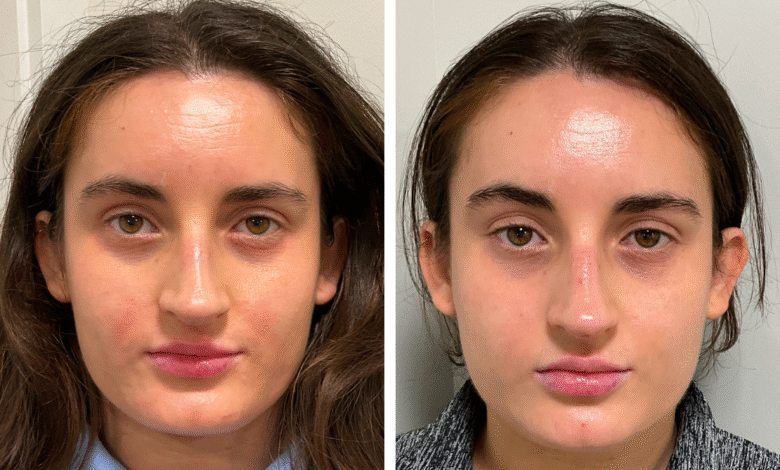
Polynucleotide treatment is an advanced aesthetic procedure designed to rejuvenate the skin from within by stimulating natural repair and regeneration processes. Unlike traditional cosmetic treatments that mainly focus on filling wrinkles or freezing muscle movement, polynucleotide therapy works at a cellular level. It uses purified DNA fragments, often derived from salmon DNA, to improve skin quality, hydration, elasticity, and overall health. This makes it a regenerative treatment rather than a purely cosmetic one, appealing to people seeking natural-looking, long-term skin improvement.
Over the last few years, polynucleotide treatment has gained significant attention in the field of aesthetic medicine. Dermatologists and aesthetic practitioners increasingly recommend it for patients who want to improve dull, tired, or damaged skin without dramatically altering facial features. The treatment is particularly popular in Europe and Asia and is now rapidly expanding in other regions due to its safety profile and impressive results. Its ability to repair skin barriers and promote tissue healing sets it apart from many conventional injectables.
Another reason behind the growing popularity of polynucleotide treatment is its versatility. It can be used on various areas of the body, including the face, under-eye region, neck, hands, and even the scalp. People of different ages and skin types can benefit from it, whether they are looking to prevent early signs of aging or restore skin that has been affected by environmental damage, stress, or medical treatments.
Understanding the Science Behind Polynucleotide Treatment
To truly understand polynucleotide treatment, it is important to know what polynucleotides are and how they function in the skin. Polynucleotides are chains of nucleotides, which are the building blocks of DNA. When injected into the skin, these molecules act as bio-stimulators, encouraging cells to repair themselves and function more efficiently. Instead of adding volume like fillers, polynucleotides improve the skin’s internal environment, leading to healthier and stronger tissue.
At the cellular level, polynucleotides work by binding water molecules and enhancing hydration deep within the skin. This hydration supports fibroblast activity, which is responsible for producing collagen and elastin. As collagen and elastin levels improve, the skin becomes firmer, smoother, and more resilient. Additionally, polynucleotides have antioxidant and anti-inflammatory properties, helping to protect the skin from oxidative stress and environmental damage.
Scientific studies and clinical trials have shown that polynucleotide treatment supports tissue regeneration and accelerates healing. This is why it is often used not only for aesthetic purposes but also in medical fields such as wound healing and post-procedure recovery. Compared to hyaluronic acid, which mainly hydrates and adds volume, polynucleotides focus on restoring skin health at a deeper biological level, making them ideal for patients seeking long-term skin improvement.
Key Benefits of Polynucleotide Treatment
One of the most notable benefits of polynucleotide treatment is its ability to regenerate and repair the skin naturally. By stimulating cell renewal and improving microcirculation, the treatment enhances skin texture and tone over time. Patients often notice their skin becoming smoother, more radiant, and healthier-looking after a series of sessions. This gradual improvement makes the results look very natural, avoiding the “overdone” appearance sometimes associated with aesthetic treatments.
Polynucleotide treatment is also highly effective for improving skin elasticity and hydration. As the skin becomes better hydrated from within, fine lines and early wrinkles appear softer and less noticeable. This makes it an excellent option for delicate areas such as the under-eyes, where traditional fillers may not be suitable. The treatment also strengthens the skin barrier, helping it retain moisture and defend against external irritants.
Another major advantage is its anti-inflammatory and healing properties. Polynucleotides can calm irritated or sensitive skin, making the treatment suitable for people with rosacea, acne-prone skin, or post-inflammatory damage. Over time, patients often experience improved skin resilience and reduced redness. These combined benefits make polynucleotide treatment a comprehensive solution for both anti-aging and overall skin health.
Polynucleotide Treatment Procedure Explained
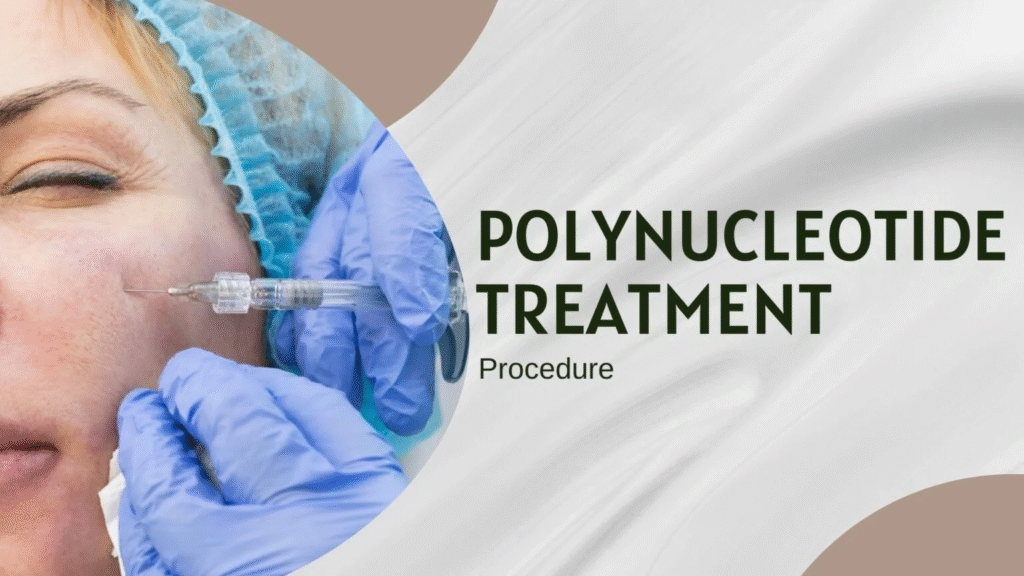
The polynucleotide treatment process begins with a detailed consultation and skin assessment. During this stage, the practitioner evaluates the patient’s skin condition, concerns, and goals to create a personalized treatment plan. This ensures that the injections are placed accurately and that the treatment addresses specific issues such as dehydration, fine lines, or loss of elasticity. A topical numbing cream is usually applied to minimize discomfort.
The procedure itself involves injecting polynucleotides into targeted areas using fine needles or cannulas. Common treatment areas include the face, neck, under-eyes, hands, and scalp. The injections are typically placed superficially to evenly distribute the product and stimulate regeneration throughout the treated area. The session usually lasts between 30 to 45 minutes, making it a convenient option for people with busy schedules.
Most patients describe the treatment as mildly uncomfortable but very tolerable. After the procedure, there may be slight redness, swelling, or small bumps at the injection sites, which usually subside within a few hours to a couple of days. Because the treatment is minimally invasive, downtime is minimal, allowing patients to return to their normal activities quickly.
Polynucleotide Treatment vs Other Aesthetic Treatments
When compared to PRP (Platelet-Rich Plasma), polynucleotide treatment offers a more standardized and consistent approach. PRP relies on the patient’s own blood quality, which can vary depending on health and lifestyle factors. Polynucleotides, on the other hand, are purified and processed under strict medical standards, ensuring predictable and reliable results. Both treatments promote regeneration, but polynucleotides are often preferred for sensitive or delicate areas.
Unlike dermal fillers, which are designed to add volume and contour, polynucleotide treatment focuses on improving skin quality. Fillers can be excellent for restoring lost volume, but they do not address skin health at a cellular level. Polynucleotides are ideal for patients who want subtle rejuvenation, better texture, and improved elasticity without changing facial structure.
Compared to Botox, which works by relaxing facial muscles to reduce wrinkles, polynucleotide treatment does not affect muscle movement. This makes it suitable for people who want to maintain natural facial expressions. In many cases, practitioners combine polynucleotide treatment with Botox or fillers for a comprehensive anti-aging strategy that targets multiple aspects of skin aging.
Results, Recovery, and Longevity
Results from polynucleotide treatment develop gradually, as the skin needs time to regenerate and rebuild. Some patients notice improved hydration and glow within the first few weeks, while more significant improvements in texture and elasticity appear after multiple sessions. This gradual progression contributes to very natural-looking results that continue to improve over time.
Recovery after polynucleotide treatment is usually quick and uncomplicated. Mild swelling or redness may occur, but these effects typically resolve within a short period. Most patients can resume normal activities on the same day or the following day. Practitioners often recommend a series of two to four sessions, spaced a few weeks apart, to achieve optimal results.
The longevity of polynucleotide treatment results depends on factors such as age, skin condition, and lifestyle. On average, results can last six to nine months or longer, especially with proper skincare and maintenance sessions. Regular follow-up treatments help sustain skin health and prolong the benefits.
Safety, Side Effects, and Risks
Polynucleotide treatment is considered safe when performed by a qualified and experienced practitioner. The materials used are biocompatible and well-tolerated by the body, reducing the risk of allergic reactions. This makes the treatment suitable for a wide range of patients, including those with sensitive skin.
Common side effects are mild and temporary, including redness, swelling, or slight bruising at the injection sites. Serious complications are rare, especially when proper injection techniques and hygiene standards are followed. Choosing a reputable clinic and trained professional is essential to minimize risks and ensure the best possible outcome.
Conclusion
Polynucleotide treatment represents a new generation of aesthetic procedures that prioritize skin health, regeneration, and natural beauty. By working at a cellular level, it improves hydration, elasticity, and resilience without altering facial features. Its versatility, safety, and long-lasting results make it an excellent option for anyone seeking subtle yet effective skin rejuvenation. As aesthetic medicine continues to evolve, polynucleotide treatment stands out as a science-backed solution for healthier, more youthful-looking skin.
Frequently Asked Questions (FAQs)
What is polynucleotide treatment used for?
It is used to improve skin quality, hydration, elasticity, and overall skin health while reducing fine lines.
How many sessions are needed?
Most patients need two to four sessions for optimal results.
Is polynucleotide treatment painful?
Discomfort is minimal and usually well-tolerated with numbing cream.
How soon can results be seen?
Initial improvements may appear within weeks, with continued enhancement over time.
Are results permanent?
Results are long-lasting but not permanent; maintenance sessions are recommended.
You May Also Read: Emma Vardy