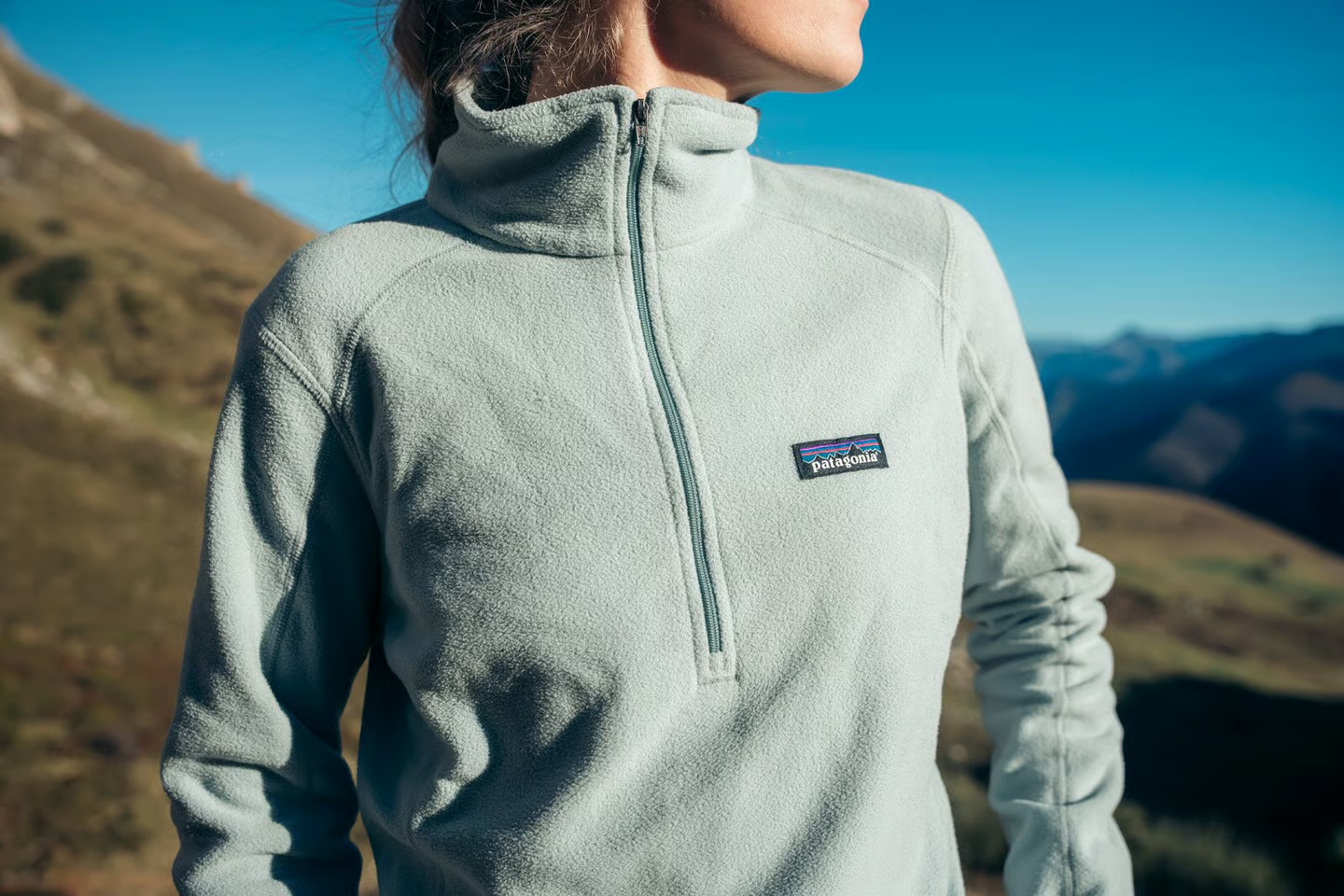
Patagonia fleece is more than just a piece of clothing—it represents a blend of style, functionality, and eco-consciousness that has made the brand a global leader in outdoor apparel. Known for its durability and innovative materials, Patagonia fleece has become a favorite for hikers, travelers, and casual wearers alike. The iconic fleece is designed to keep wearers warm, comfortable, and stylish, whether they’re exploring the wilderness or strolling through city streets. Beyond functionality, Patagonia has positioned itself as a leader in sustainability, making fleeces that are environmentally responsible without compromising performance or comfort.
This comprehensive guide explores the many facets of Patagonia fleece, from its history and evolution to the materials, designs, and technical features that make it a standout in outdoor gear. You’ll learn about the different types available for men, women, and children, discover the benefits for both outdoor and everyday use, and understand how Patagonia incorporates sustainability into every piece. Whether you’re a seasoned outdoor enthusiast looking for a reliable fleece jacket or a casual shopper seeking warmth and style, this article offers everything you need to make an informed choice.
In addition, the guide provides insights into selecting the right fleece for your activities and lifestyle, caring for your fleece to maximize its lifespan, and understanding why Patagonia continues to lead the market with its environmentally conscious approach. By the end, readers will not only appreciate the technical excellence of Patagonia fleece but also the brand’s commitment to ethical manufacturing and sustainability.
History and Evolution of Patagonia Fleece
Patagonia’s journey into fleece production began in the late 1970s, as founder Yvon Chouinard sought high-performance apparel for climbers and outdoor enthusiasts. Early Patagonia fleece designs emphasized warmth and durability, incorporating synthetic materials like polyester to improve insulation without adding excessive weight. The brand’s focus was on functional gear that allowed freedom of movement and reliable protection from the elements, establishing its reputation for quality and innovation.
Over the years, Patagonia fleeces have evolved dramatically, adapting to changing materials, technology, and consumer preferences. In the 1990s, the company introduced recycled polyester fleece, marking a significant step toward sustainability. Advancements in insulation technology and water-resistant fabrics allowed Patagonia to expand its offerings to include versatile jackets suitable for both high-performance outdoor activities and casual urban wear. Each iteration of the fleece built on the previous one, combining warmth, breathability, and durability to meet the demands of modern adventurers.
Several iconic models have emerged over the decades, including the Synchilla Snap-T Pullover, the Better Sweater, and the R1 Fleece Jacket. Each model has distinct features, catering to specific outdoor conditions or style preferences. Limited-edition designs and seasonal collections have further cemented Patagonia fleece as a staple in both outdoor gear stores and fashion-conscious closets. The evolution of these fleeces illustrates Patagonia’s commitment to continuous improvement, blending performance with sustainability in every garment.
Today, Patagonia fleece is recognized not just for its functionality but also for its environmentally friendly approach, incorporating recycled materials and responsible production processes, making it a symbol of quality, innovation, and conscience.
Types and Features of Patagonia Fleece
Patagonia offers a diverse range of fleece options for men, women, and children, each tailored to specific needs and preferences. Men’s fleeces typically focus on rugged durability and performance, while women’s designs often emphasize fit, flexibility, and style. Children’s fleeces prioritize warmth, comfort, and ease of movement. Popular models include the classic Synchilla Snap-T, known for its cozy feel and retro style, and the R1 fleece, favored by athletes for its technical performance and breathability.
The materials used in Patagonia fleece are key to its functionality. Most fleeces feature polyester, often sourced from recycled bottles, ensuring both warmth and environmental responsibility. The fabrics are lightweight yet insulating, with breathability designed for layering in colder climates. Advanced models include Polartec® materials for enhanced moisture-wicking, stretch, and durability, making them suitable for a variety of outdoor pursuits, from hiking to skiing.
Technical features of Patagonia fleece include zippered pockets for secure storage, adjustable hoods for additional protection, and durable zippers that withstand frequent use. Many fleeces are designed for layering, allowing users to combine them with base layers or outer shells depending on weather conditions. The versatility of these features ensures that Patagonia fleece serves both functional and aesthetic purposes, suitable for rugged mountain trails as well as casual city outings.
Patagonia fleeces are also designed with sustainability in mind. The brand emphasizes eco-friendly manufacturing practices, including low-impact dyes and recycled materials. These considerations make Patagonia fleece not only a performance-oriented choice but also an ethical one, appealing to environmentally conscious consumers who value both quality and responsibility.
Benefits of Patagonia Fleece
Patagonia fleece excels in outdoor performance, offering lightweight insulation that retains warmth while allowing freedom of movement. It is ideal for hiking, camping, climbing, and other adventures where comfort and mobility are critical. The fleece’s durability ensures it can withstand rigorous use in variable conditions, including wind, light rain, and fluctuating temperatures. Its layering capability allows it to adapt to different climates, making it a practical investment for year-round outdoor enthusiasts.
Beyond the outdoors, Patagonia fleece is highly suitable for everyday wear. The cozy fabric, stylish designs, and vibrant color options make it perfect for casual settings. Urban commuters and travelers appreciate the fleece for its lightweight warmth, comfort, and ease of layering with other garments. The combination of style and function means that a Patagonia fleece jacket can transition seamlessly from the trail to city streets without compromising on performance or aesthetic appeal.
Sustainability is another major benefit of Patagonia fleece. The brand’s use of recycled polyester, environmentally friendly dyes, and fair labor practices reflects a commitment to reducing the environmental footprint. Consumers who purchase Patagonia fleece are not only investing in quality apparel but also supporting ethical manufacturing processes. This approach aligns with the growing trend toward conscious consumption, giving Patagonia fleece a competitive edge in the outdoor apparel market.
Overall, the benefits of Patagonia fleece extend from technical performance to fashion, convenience, and eco-consciousness. Whether worn for adventure or everyday comfort, these fleeces provide a combination of durability, warmth, style, and sustainability that few other brands can match.
How to Choose the Right Patagonia Fleece
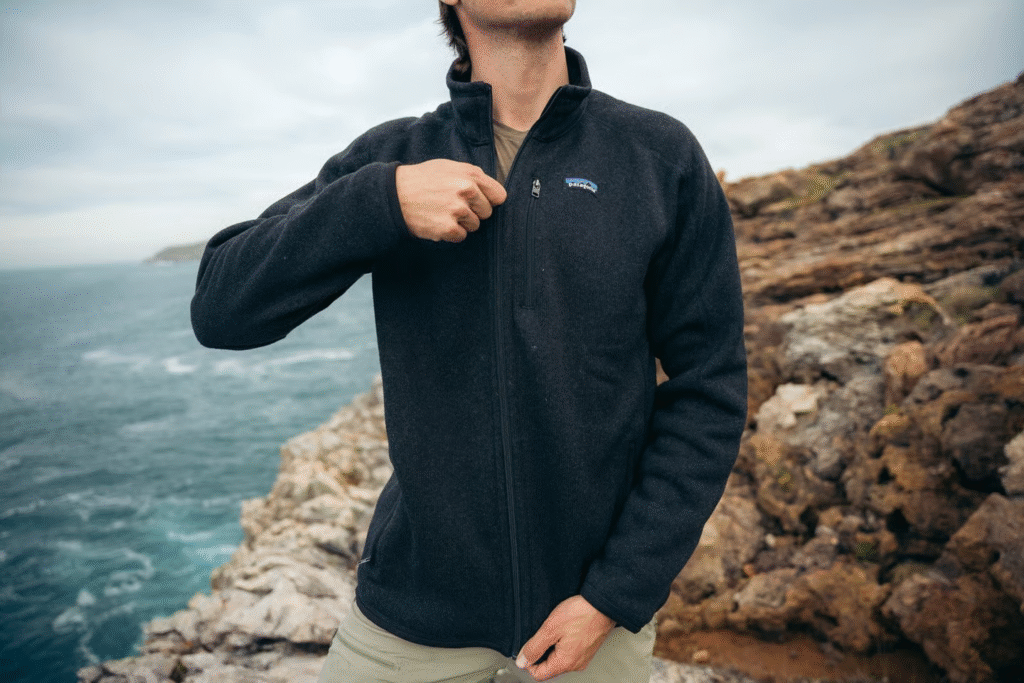
Selecting the right Patagonia fleece depends on several factors, including intended activity, climate, fit, and budget. For high-intensity outdoor activities, technical models such as the R1 fleece are ideal due to their breathability and moisture-wicking properties. For casual wear, options like the Better Sweater or Synchilla Snap-T offer warmth, style, and comfort. Considering whether you need layering versatility or standalone insulation will help narrow down the choices.
Fit is also important. Patagonia offers fleeces tailored for different body types, including men’s, women’s, and children’s options. Choosing the correct size ensures comfort and mobility, particularly for outdoor activities where freedom of movement is essential. Trying on different models or consulting sizing guides can help ensure a proper fit that complements your intended use.
Budget considerations play a role as well. While Patagonia fleeces may have a higher upfront cost, their durability, performance, and sustainability make them a long-term investment. Evaluating the features, materials, and intended use can help consumers choose a model that provides the best value for their needs.
Ultimately, the right Patagonia fleece balances technical performance, comfort, style, and ethical considerations. By understanding your priorities, you can select a fleece that meets your lifestyle requirements while enjoying the benefits of a high-quality, eco-friendly garment.
Care and Maintenance
Proper care of Patagonia fleece ensures longevity and maintains performance. Washing in cold water with mild detergent and avoiding fabric softeners helps preserve the insulation and fabric integrity. Air drying or tumble drying on low heat prevents shrinkage and fabric damage. Regular cleaning also removes accumulated dirt, oils, and sweat, maintaining the fleece’s breathability and insulation.
Repairing small tears or loose threads is another way to extend the life of your fleece. Patagonia offers repair services and replacement parts for certain models, reflecting the brand’s commitment to sustainability and durability. Storing fleeces folded or hung in a dry environment prevents fabric compression and maintains their shape over time.
Following these guidelines not only protects your investment but also supports environmental responsibility by reducing the need for frequent replacements. A well-maintained Patagonia fleece can last for years, delivering reliable warmth, comfort, and style through multiple seasons and adventures.
Conclusion
Patagonia fleece is a testament to the fusion of performance, style, and sustainability. From its early beginnings in outdoor apparel to modern eco-conscious designs, these fleeces offer versatility for both rugged outdoor adventures and everyday wear. With a range of models, materials, and technical features, Patagonia ensures that every fleece meets high standards of warmth, comfort, and durability.
Choosing the right Patagonia fleece involves considering your activity level, climate, fit, and budget. Proper care and maintenance further enhance longevity, making it a practical, sustainable, and stylish investment. Whether you’re a dedicated hiker, an urban commuter, or someone who simply appreciates high-quality apparel, Patagonia fleece provides unmatched performance and environmental responsibility.
By combining technical excellence, eco-conscious materials, and timeless style, Patagonia fleece has earned its place as a must-have in wardrobes worldwide. It is more than clothing—it is a commitment to quality, sustainability, and enduring comfort.
FAQs
What makes Patagonia fleece different from other brands?
Patagonia fleece stands out due to its combination of durable materials, functional design, sustainability, and versatile styling for both outdoor and casual use.
Are Patagonia fleeces sustainable and eco-friendly?
Yes, they often use recycled materials, low-impact dyes, and ethical production practices to minimize environmental impact.
How do I choose the right Patagonia fleece for me?
Consider your activity type, climate, fit, and whether you need layering or standalone insulation to find the ideal model.
Can Patagonia fleece be used for casual wear?
Absolutely. Many models, like the Better Sweater, combine warmth and style suitable for city, travel, and everyday wear.
How do I care for my Patagonia fleece?
Wash in cold water with mild detergent, avoid fabric softeners, and air or tumble dry on low heat. Small repairs help extend lifespan.
What are the most popular Patagonia fleece models?
Iconic models include the Synchilla Snap-T Pullover, R1 Fleece Jacket, and Better Sweater.
Are Patagonia fleeces suitable for extreme weather?
Yes, with proper layering and pairing with outer shells, Patagonia fleeces provide effective insulation and breathability in cold or variable conditions.
You May Also Read: Love Island 2024