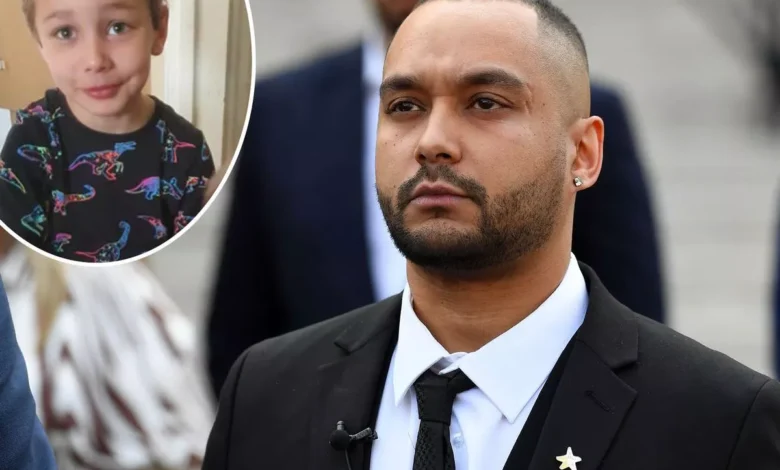
The case of Logan Mwangi stands as one of the most heartbreaking and disturbing child protection failures in recent history. Logan Mwangi was a young boy whose short life ended under circumstances that shocked the public and raised serious questions about safeguarding systems meant to protect vulnerable children. His story quickly gained national and international attention due to the extreme nature of the abuse involved and the multiple warning signs that were tragically overlooked.
Beyond the immediate tragedy, the Logan Mwangi case became a catalyst for wider discussions about child welfare, accountability, and systemic reform. It exposed gaps in social services, communication failures between agencies, and the devastating consequences of delayed intervention. Understanding this case is not only about recounting events, but also about learning critical lessons to prevent similar tragedies in the future.
Background and Early Life
Logan Mwangi was a five-year-old child living in the United Kingdom. By all accounts, he was a bright and gentle boy who enjoyed simple childhood pleasures such as playing, learning, and spending time with familiar adults. However, behind the appearance of normalcy, Logan’s early life was marked by instability and involvement with social services due to concerns about his safety and well-being.
From a young age, Logan Mwangi was known to child protection authorities. His family circumstances placed him in an environment where oversight was required, and multiple agencies were aware of potential risks. Despite this, decisions were made that ultimately placed Logan back into a household where he would face extreme harm. These decisions would later come under intense scrutiny.
The tragedy of Logan Mwangi’s early life lies not only in the abuse he suffered, but in the fact that he was visible to systems designed to protect children. His case highlights how vulnerability can persist even when institutions are involved, emphasizing the need for stronger safeguards and more proactive intervention.
Events Leading Up to the Tragedy
In the weeks and months leading up to Logan Mwangi’s death, several warning signs reportedly emerged. These included changes in behavior, visible injuries, and concerning interactions within his household. Each sign represented an opportunity for intervention, yet collectively they failed to trigger decisive protective action.
The environment Logan Mwangi lived in was later described as deeply unsafe. Evidence revealed a pattern of abuse, neglect, and intimidation that escalated over time. What makes this period especially distressing is that Logan was unable to escape or effectively communicate the extent of his suffering, relying entirely on adults and institutions to act in his best interest.
This phase of the Logan Mwangi case underscores the importance of early warning systems and inter-agency communication. It demonstrates how cumulative risks, when ignored or underestimated, can lead to catastrophic outcomes for vulnerable children.
Discovery and Immediate Response
Logan Mwangi was reported missing, prompting an urgent search that quickly drew police attention. His body was later discovered in a nearby river, a revelation that sent shockwaves through the community and the nation. The discovery marked the tragic end of a life that should have been protected and cherished.
Emergency services responded swiftly, launching a major investigation into the circumstances surrounding Logan Mwangi’s death. From the outset, authorities treated the case as suspicious, recognizing inconsistencies in accounts provided by caregivers. Public concern intensified as disturbing details began to emerge.
The immediate response also highlighted the emotional toll such cases have on communities. Vigils, tributes, and widespread media coverage reflected collective grief and outrage, setting the stage for deeper examination of how this tragedy was allowed to occur.
Police Investigation and Evidence
The investigation into Logan Mwangi’s death uncovered extensive evidence of prolonged abuse. Forensic examinations revealed injuries inconsistent with accidental harm, pointing instead to sustained physical violence. These findings became central to the prosecution’s case and shocked even experienced investigators.
Police worked meticulously to reconstruct Logan Mwangi’s final days, examining digital records, witness statements, and medical reports. The evidence painted a grim picture of neglect and cruelty, reinforcing the conclusion that his death was not an isolated incident but the result of ongoing mistreatment.
This phase of the case demonstrated the importance of thorough investigative processes in achieving justice. It also reinforced the need for early detection mechanisms to prevent abuse from escalating to fatal levels.
Court Proceedings and Verdict
The court proceedings related to Logan Mwangi’s death were closely followed by the public. Testimonies detailed the extent of the abuse and the suffering Logan endured, leaving a lasting impact on those present in the courtroom. The trial brought to light not only individual culpability but also systemic shortcomings.
The verdict delivered a measure of justice, with those responsible held accountable through sentencing. However, the outcome also left many questioning whether justice could ever truly be achieved given the irreversible loss of Logan’s life.
The legal process served as both a conclusion and a beginning—closing one chapter while opening broader discussions about reform and responsibility.
Failures and Systemic Issues
One of the most significant aspects of the Logan Mwangi case is the examination of systemic failure. Reviews identified missed opportunities, inadequate risk assessments, and poor communication between agencies tasked with safeguarding children.
Despite prior involvement, the systems in place failed to prevent Logan Mwangi from being returned to an unsafe environment. These failures highlight the urgent need for reform, training, and accountability within child protection services.
The case has since been used as a reference point in professional training, emphasizing the consequences of inaction and the importance of placing a child’s safety above procedural convenience.
Impact on Child Protection Policies
Following the Logan Mwangi case, calls for reform intensified. Reviews and public inquiries prompted changes in safeguarding procedures, particularly around risk assessment and inter-agency cooperation. While reforms vary by region, the case undeniably influenced policy discussions.
Logan Mwangi’s legacy now includes increased awareness of how quickly situations can deteriorate when warning signs are ignored. Professionals across education, healthcare, and social services have cited the case as a reminder of their shared responsibility.
Although no reform can undo the tragedy, the changes inspired by this case aim to protect other children from similar harm.
Conclusion
The story of Logan Mwangi is one of profound loss, but also one of urgent lessons. It exposes how vulnerable children can fall through the cracks even when systems are aware of their circumstances. Remembering Logan means committing to vigilance, accountability, and compassion in child protection.
His case serves as a lasting reminder that safeguarding is not a passive duty but an active responsibility. By learning from the failures surrounding Logan Mwangi’s life and death, society can strive to ensure that no child’s suffering goes unseen or unheard.
Frequently Asked Questions (FAQs)
Who was Logan Mwangi?
Logan Mwangi was a five-year-old boy whose death led to major criminal and child protection investigations in the UK.
What happened to Logan Mwangi?
He suffered prolonged abuse and was later found deceased, leading to a murder investigation.
Who was responsible for his death?
Caregivers in his household were convicted following a criminal trial.
What went wrong in the system?
Multiple safeguarding failures, missed warning signs, and poor inter-agency communication contributed to the tragedy.
Did the case lead to reforms?
Yes, the Logan Mwangi case influenced reviews and reforms in child protection practices.
Why is the case still discussed today?
It remains a powerful example of why strong safeguarding systems and early intervention are essential.
You May Also Read: Brenda Spencer