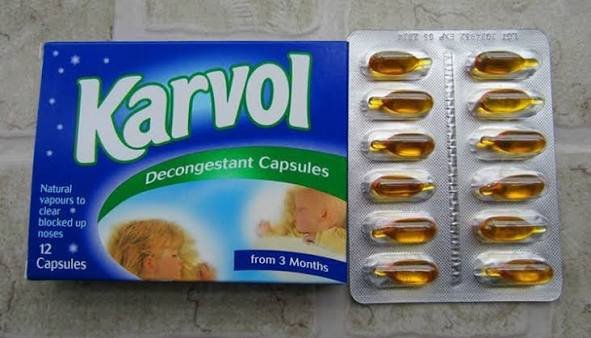
Karvol capsules were once a popular over-the-counter remedy used by many families for temporary relief from blocked noses, cold symptoms, and breathing discomfort caused by congestion. These small capsules contained aromatic oils that released vapours when opened and used correctly. For many years, Karvol became a familiar name in households because people trusted it as a simple solution during seasonal colds and nasal congestion.
The search term Karvol capsules banned has created confusion because many people assume the product was officially prohibited everywhere. However, the situation is more complicated. Karvol capsules were not subject to a worldwide ban. In markets such as the UK, the original Karvol Decongestant Capsules were discontinued after the marketing authorisation was withdrawn, which meant they were no longer supplied as a standard licensed medicine.
Understanding the difference between a banned product and a discontinued medicine is important. A banned medicine is normally removed because authorities legally restrict its use, while a discontinued product may disappear because of licensing decisions, manufacturing changes, commercial reasons, or updated regulatory requirements. In Karvol’s case, withdrawal from certain markets changed its availability rather than creating a universal ban.
Quick Answer: Why Are Karvol Capsules No Longer Available?
Many people searching Karvol capsules banned want to know the simple reason behind their disappearance from pharmacies. The main reason is that Karvol Decongestant Capsules were discontinued in some countries after their marketing authorisation was withdrawn. Regulatory records show that the product was no longer actively supplied as a licensed medicine in those regions.
The withdrawal was linked to changing regulatory standards and safety considerations related to aromatic ingredients used in inhalation products. Concerns focused especially on the correct use of products containing strong essential oils and substances such as camphor, particularly around young children and the risk of accidental misuse.
However, it is inaccurate to say that Karvol capsules were removed because every use of the product was considered unsafe. Many people used them correctly for years without problems. The main focus of regulators and healthcare professionals was ensuring that medicines available to consumers met current safety expectations.
What Were Karvol Capsules Used For?
Karvol capsules were designed as an inhalation remedy for helping people feel relief from symptoms associated with blocked noses and common colds. The capsules contained aromatic ingredients that produced vapours when opened. Users traditionally placed the contents in hot water for steam inhalation or followed the instructions provided with the product.
The popularity of Karvol came from its convenience. Unlike prescription medicines, it was available without a doctor’s prescription and became a common household item during cold seasons. Many parents used it when children experienced nasal congestion, especially at night when blocked noses could make sleeping uncomfortable.
The product became well known because of its distinctive smell and simple method of use. Over time, however, medical guidance around children’s health products changed, and greater attention was given to how concentrated aromatic oils should be stored, handled, and used.
Why Were Karvol Capsules Discontinued?

The main reason behind the search phrase Karvol capsules banned is the question of why a popular product disappeared. Karvol capsules were discontinued in certain markets after the product licence was withdrawn. This decision meant the medicine was no longer actively marketed as a licensed product in those regions.
One important factor was increased attention toward the safety of aromatic ingredients in healthcare products. Ingredients such as camphor, menthol, and essential oils can be useful when used correctly, but concentrated amounts may create risks if swallowed, misused, or used incorrectly, especially by babies and young children.
Regulatory decisions about medicines are based on many factors, including safety reviews, manufacturing requirements, licensing status, and public health considerations. The withdrawal of Karvol reflects how healthcare standards continue to change as new information becomes available.
What Ingredients Were in Karvol Capsules?
Karvol capsules contained a combination of aromatic substances designed to create vapours for inhalation. The formulation included ingredients such as menthol, pine oil, terpineol, thymol, and other aromatic compounds. These ingredients were commonly used in products intended to provide a soothing sensation during congestion.
Although many essential oils and aromatic ingredients are used in household and healthcare products, they must be handled carefully because concentrated substances can have different effects depending on the amount used and the person exposed. This is especially important for children, who may be more sensitive to certain ingredients.
The discussion around Karvol capsules banned is often connected with these ingredients, but it is important to understand that the concern was related to safe use, concentration, and vulnerable groups rather than the idea that all ingredients were automatically harmful.
Safety Concerns Linked With Karvol Capsules
Safety concerns surrounding Karvol capsules mainly involved possible misuse and accidental exposure. Small capsules can create risks if children mistake them for something edible. Some ingredients used in aromatic products, including camphor-containing substances, can be harmful if swallowed.
Young children and babies require additional care because their bodies can react differently to certain substances compared with adults. Healthcare professionals often recommend avoiding strong aromatic products around infants unless specifically advised and choosing age-appropriate options for cold symptoms.
Another concern was incorrect application. Inhalation products should always be used according to instructions, and users should avoid placing concentrated substances directly on sensitive areas such as a child’s skin or near the nose unless the product specifically allows it.
Are Karvol Capsules Still Available Today?
Many users still ask whether they can buy Karvol capsules because they remember using them in the past. In many countries, especially the UK, original Karvol Decongestant Capsules are no longer widely available because they were discontinued following withdrawal of their marketing authorisation.
Availability may vary depending on location. Some products with similar names, such as Karvol Plus, may appear in certain markets, but consumers should not assume they are identical to the original Karvol capsules. Different formulations can have different instructions and intended uses.
People who still have old Karvol capsules stored at home should avoid using expired products. Medicines can lose quality over time, and old products may not provide the expected effect. Safe disposal and choosing currently available alternatives are better options.
Karvol Capsules vs Karvol Plus: What Is the Difference?
One reason people become confused about Karvol capsules banned searches is that they may find references to Karvol Plus or other related products. While they share a brand name, different products can have different formulations and availability depending on the country.
Karvol Plus products available in some regions are generally designed for vapourisation purposes and should be used only according to the instructions on the packaging. They should not be swallowed or used in ways that are different from the recommended method.
Consumers should always check the label before using any medicine or healthcare product. Brand names alone do not guarantee that two products have the same ingredients, safety information, or approved uses.
What Are the Alternatives to Karvol Capsules?
People looking for Karvol capsules banned alternatives now have several options for managing congestion. The best choice depends on the person’s age, symptoms, and health condition. Modern alternatives often focus on safer and more controlled methods.
For adults, options may include saline nasal sprays, saline rinses, humidifiers, and pharmacist-recommended medicines for temporary congestion relief. These products are widely used because they provide symptom support without relying on concentrated aromatic vapours.
For babies and young children, healthcare professionals often recommend gentle options such as saline drops and maintaining comfortable humidity levels. Parents should seek medical advice if symptoms are severe, continue for a long time, or involve breathing difficulties.
What Can Consumers Learn From the Karvol Capsules Situation?
The history behind Karvol capsules banned searches shows how healthcare products can change over time. A product that was once common in homes may later become unavailable because safety standards, regulations, and medical understanding continue to develop.
Consumers should remember that over-the-counter availability does not always mean a product is suitable for everyone. Reading instructions, understanding ingredients, and considering age restrictions are important parts of making safer healthcare choices.
The Karvol situation also shows why natural ingredients should not automatically be considered risk-free. Essential oils and aromatic compounds can have useful purposes, but their safety depends on correct use, concentration, and the individual using the product.
Conclusion
Karvol capsules were once a familiar household remedy used by many people for congestion and cold-related discomfort. However, the phrase Karvol capsules banned can be misleading because the product was not universally banned. In many markets, including the UK, the original Karvol capsules were discontinued after their marketing authorisation was withdrawn.
The reasons behind the product’s disappearance involved regulatory decisions, updated safety considerations, and concerns about the correct use of aromatic ingredients, especially around children. While many people remember Karvol positively, modern alternatives now provide safer and more suitable choices for managing congestion.
Understanding the difference between a banned medicine and a discontinued product helps consumers make better decisions. Checking current guidance, using approved alternatives, and following safety instructions remain the best ways to manage cold and congestion symptoms.
FAQs
Are Karvol capsules actually banned?
Karvol capsules were not banned worldwide. In some regions, they were discontinued after their marketing authorisation was withdrawn.
Why were Karvol capsules discontinued?
Karvol capsules were discontinued due to regulatory decisions, changing safety requirements, and concerns about the use of aromatic ingredients.
Can I still buy original Karvol capsules?
Original Karvol Decongestant Capsules are no longer widely available in many markets, including the UK.
Are Karvol capsules dangerous?
Karvol capsules were intended for correct use, but misuse, accidental ingestion, and inappropriate use around young children created safety concerns.
What replaced Karvol capsules?
Alternatives include saline nasal sprays, saline drops, humidifiers, and other approved congestion relief products.
Are Karvol Plus capsules the same as old Karvol capsules?
No. Different Karvol products may have different formulations and instructions, so users should always check the packaging.
What should I do with old Karvol capsules?
Old or expired Karvol capsules should not be used. They should be disposed of safely according to local medicine disposal guidance.
You May Also Read: John Peel paedo