Karate Math is a creative learning approach that combines mathematics practice with the discipline, movement, and focus found in martial arts. Instead of learning numbers only through traditional worksheets, students engage with math through interactive activities, challenges, and movement-based exercises. The idea behind Karate Math is to make mathematics more active and enjoyable by connecting problem-solving with physical participation. This method is especially appealing for children who learn better when lessons include action, creativity, and hands-on experiences rather than only sitting and memorizing formulas.
The concept of Karate Math does not mean students need to become martial artists to learn mathematics. It uses simple karate-inspired ideas such as focus, repetition, timing, patterns, and goal setting to create a different learning experience. A student may practice counting while performing movements, solve equations before completing a challenge, or use game-style activities to improve arithmetic skills. Some digital learning tools also use karate themes to teach math facts through interactive gameplay, combining education with adventure and rewards.
How Karate Math Combines Movement With Mathematical Skills
Karate Math works by connecting physical activity with important mathematical concepts. Traditional math practice often requires students to sit still and complete problems repeatedly, but movement-based learning adds another layer by involving the body and mind together. For example, a child learning multiplication tables might complete a movement sequence while counting in multiples, while another learner might solve an addition challenge before moving to the next stage of an activity. These exercises help make numbers feel more practical and memorable.
The connection between martial arts and mathematics comes from shared skills such as concentration, accuracy, patience, and improvement through practice. Karate training teaches students to follow steps carefully, repeat techniques, and work toward personal goals. These same habits are useful in mathematics because solving problems often requires careful thinking and persistence. By combining these ideas, Karate Math creates a learning environment where students can develop confidence while practicing essential math skills.
Karate Math Activities and Examples for Different Age Groups
Karate Math activities can be adjusted for different ages, making them suitable for beginners as well as students who already have stronger math abilities. Younger children can start with simple counting games, number recognition exercises, and basic addition challenges. For example, a teacher or parent can ask a child to count five punches, ten steps, or repeated movements while practicing number sequences. These simple activities introduce mathematics in a playful way without making learning feel difficult.
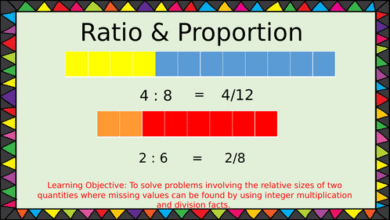
Older students can take part in more advanced Karate Math exercises involving multiplication, division, fractions, and problem-solving. A practice session might include solving a math question before completing a movement combination or using patterns to unlock the next challenge. Teachers can also create team activities where students solve problems together and complete tasks based on their answers. This approach encourages cooperation, quick thinking, and active participation while keeping mathematics interesting.
Fun Karate Math Games for Home and Classroom Learning
Karate Math games can turn regular math practice into an engaging challenge. A simple home activity could involve creating a list of math questions and assigning a movement to each correct answer. For example, students could complete one stance after solving an addition problem or perform a short sequence after answering a multiplication question correctly. These activities do not require expensive equipment and can be adapted according to the learner’s age and skill level.
In classrooms, teachers can use Karate Math games as warm-up activities, revision exercises, or learning breaks. Students can work in groups to solve problems, compete in friendly challenges, or complete timed activities that improve speed and accuracy. Educational resources and math games often use similar principles by combining problem-solving with interactive experiences. Some Karate Math-related platforms focus on arithmetic practice through game mechanics, including addition, subtraction, multiplication, division, and other foundational skills.
Benefits of Karate Math for Children’s Learning Development
One of the main benefits of Karate Math is that it can make mathematics feel less intimidating. Many children struggle with math because they see it as a difficult subject filled with rules and calculations. By introducing movement and game-based activities, Karate Math can help create a more positive learning environment. When students enjoy the learning process, they may become more willing to practice and develop stronger confidence in their abilities.
Karate Math can also support skills beyond mathematics, including concentration, coordination, discipline, and problem-solving. Students need to listen carefully, remember instructions, and respond accurately during activities. These actions encourage focus and mental flexibility. While Karate Math should be viewed as a supporting learning method rather than a replacement for traditional math education, it can provide an additional way for students to practice concepts and stay engaged.
Karate Math Apps and Digital Learning Resources
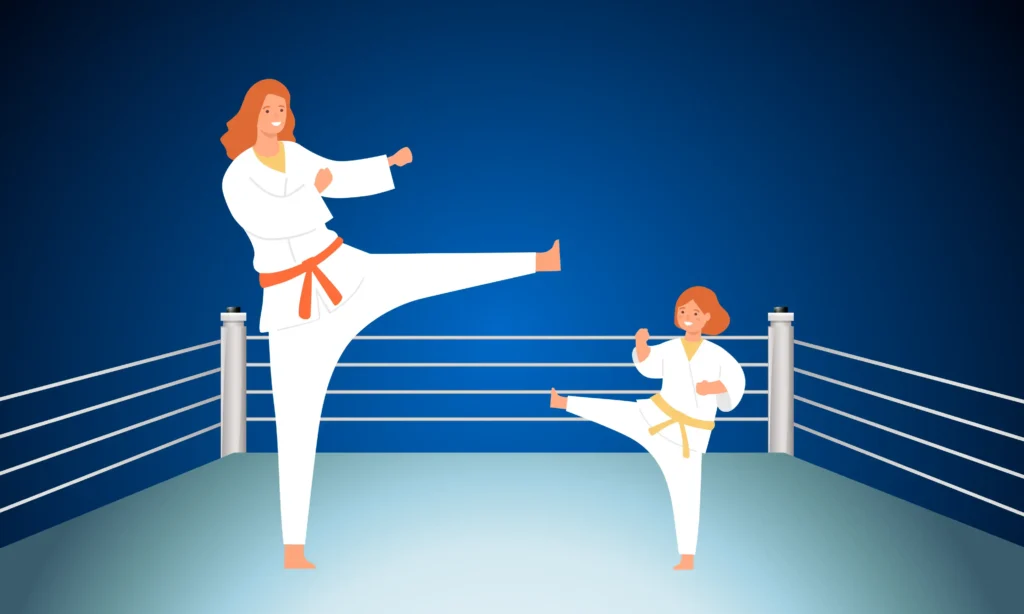
Technology has expanded the way students can experience Karate Math. Digital learning platforms use interactive challenges, visual elements, and game-based systems to make math practice more enjoyable. For example, Karate Math Dojo is an educational game that combines martial arts themes with math fact practice, allowing children to work through arithmetic challenges in a game environment. Other learning tools use visual strategies and activities to help young students develop number understanding and arithmetic skills.
Digital Karate Math resources can be useful because they provide immediate feedback and allow students to practice at their own pace. However, parents and teachers should choose tools that match the learner’s age and educational needs. The best results usually come from combining digital activities with discussions, real-world examples, and traditional practice. Technology can make learning more exciting, but guidance from teachers and parents remains important for building a strong mathematical foundation.
How Parents Can Practice Karate Math at Home
Parents can introduce Karate Math at home with simple activities that combine movement and numbers. A short practice session does not need a special room or equipment; a safe open space and a few creative ideas are usually enough. Parents can begin with counting exercises, mental math questions, or movement challenges that encourage children to connect numbers with actions. The goal should be to make learning enjoyable rather than creating pressure.
A good beginner routine might include a warm-up counting activity, a few simple math questions, and a fun challenge at the end. For example, a child could answer five addition problems and complete a movement sequence for each correct answer. As confidence grows, parents can introduce multiplication tables, patterns, fractions, and word problems. Regular short practice sessions can help children develop consistency while keeping mathematics connected with positive experiences.
How Teachers Can Use Karate Math in the Classroom
Teachers can use Karate Math as a creative supplement to regular mathematics lessons. It can be introduced during revision sessions, group activities, or classroom breaks when students need a more active learning experience. Movement-based activities can be especially useful for students who find long periods of traditional study challenging. By adding variety to lessons, teachers can reach learners with different preferences and encourage greater participation.
A successful classroom Karate Math activity should have a clear learning goal. The movement should support the math concept rather than distract from it. For example, a lesson about multiplication patterns can include counting exercises, while a lesson about fractions can involve dividing activities into equal groups. When designed carefully, Karate Math can help students practice important skills while developing teamwork, confidence, and problem-solving habits.
Skills Students Can Develop Through Karate Math Practice
Karate Math is valuable because it combines academic practice with personal development. Mathematics requires patience, logical thinking, and the ability to approach challenges step by step. Martial arts principles such as discipline and repetition support these same qualities. Students who regularly practice Karate Math activities may develop a stronger understanding of how effort and improvement are connected.
The method also encourages students to become active participants in their learning. Instead of simply receiving information, they solve problems, make decisions, and respond through actions. This type of involvement can make lessons more memorable and meaningful. Although every student learns differently, Karate Math offers an alternative approach that may help some learners feel more comfortable and motivated when practicing mathematics.
Conclusion
Karate Math offers a creative way to make mathematics more active, engaging, and enjoyable by combining problem-solving with movement, discipline, and focus. Instead of viewing math as only a classroom subject, students can experience numbers through practical activities, games, and challenges that encourage participation. By connecting martial arts-inspired techniques with mathematical practice, Karate Math creates opportunities for learners to build confidence while improving skills such as concentration, logical thinking, and persistence.
Whether used at home, in classrooms, or through digital learning tools, Karate Math can be a valuable supporting method for students who enjoy interactive learning. It does not replace traditional mathematics education, but it adds a fresh approach that can make practice more exciting and meaningful. As education continues to explore creative teaching methods, Karate Math shows how combining physical activity with academic learning can help students develop both stronger math abilities and important life skills.
Frequently Asked Questions
What is Karate Math?
Karate Math is a learning approach that combines math practice with karate-inspired movements, games, and activities to make learning more interactive and engaging.
Is Karate Math a game or a teaching method?
Karate Math can be both. Some resources use it as an educational game, while teachers and parents can also use the concept to create movement-based math activities.
Can Karate Math help children learn multiplication and arithmetic?
Yes, Karate Math activities can include multiplication, addition, subtraction, division, and other arithmetic skills through interactive practice and repetition.
Do children need karate experience to try Karate Math?
No. Karate Math usually uses simple movements and does not require martial arts experience. The focus is on learning mathematics through activity.
How can parents practice Karate Math at home?
Parents can create simple activities using math questions, counting exercises, and movement challenges in a safe space.
Are there Karate Math apps available?
Yes, some educational apps use karate themes and game-based activities to help children practice math skills.
What age group is Karate Math suitable for?
Karate Math can be adapted for different ages, from young children learning basic numbers to older students practicing more advanced math concepts.
Does Karate Math replace traditional math learning?
No. Karate Math works best as a supporting activity that makes practice more engaging while working alongside regular mathematics education.
You May Also Read: Carrick Tide Times