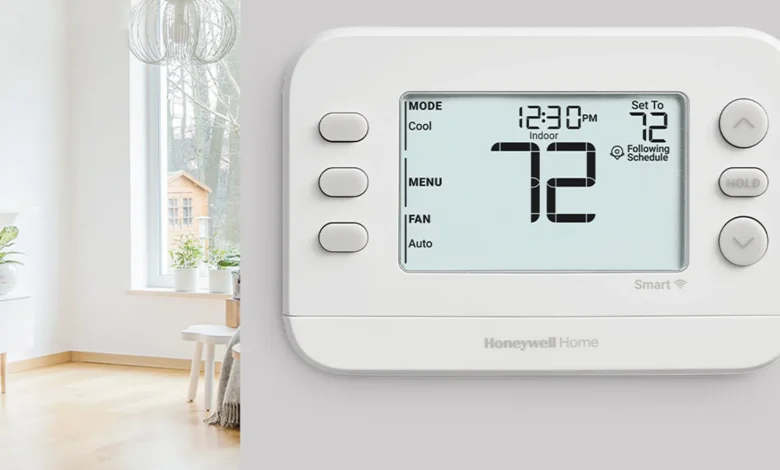
A comfortable home environment depends heavily on maintaining the right indoor temperature throughout the year. Whether it’s keeping your house warm during winter or cool during hot summer days, a reliable thermostat plays a vital role in controlling your heating and cooling systems. Among the many brands available today, Honeywell thermostat have built a strong reputation for reliability, advanced features, and user-friendly design. For homeowners seeking efficient temperature management, these thermostats offer both traditional and modern smart solutions that make controlling indoor comfort easier than ever.
Honeywell has been a trusted name in home technology for decades. Their thermostats are designed to work with a wide variety of HVAC systems while offering innovative features such as programmable schedules, Wi-Fi connectivity, and smart home integration. These devices not only help regulate indoor temperature but also contribute to energy savings by optimizing heating and cooling usage. As energy costs continue to rise, many homeowners are turning to smart thermostats like Honeywell to reduce their monthly utility bills.
In this guide, we will explore everything you need to know about Honeywell thermostats. From understanding how they work to exploring their different types and features, this article will provide a comprehensive overview. You will also learn about popular models, installation steps, efficiency tips, and troubleshooting solutions that can help you get the most out of your thermostat.
What Is a Honeywell Thermostat?
A Honeywell thermostat is a device designed to regulate the temperature of your home by controlling the heating and cooling system. It works by sensing the indoor temperature and activating the HVAC system when the temperature moves outside the desired range set by the user. Once the desired temperature is reached, the thermostat signals the system to stop running. This automated process ensures that your home remains comfortable without requiring constant manual adjustments.
Honeywell thermostats come in various designs, ranging from simple manual models to advanced smart thermostats equipped with touchscreen displays and wireless connectivity. The basic function remains the same across all models: monitoring temperature and maintaining a comfortable indoor environment. However, modern Honeywell thermostats also include intelligent features such as learning your preferred settings, adjusting temperatures automatically, and allowing remote control through mobile apps.
Over the years, Honeywell has evolved its thermostat technology to meet the needs of modern households. Early models were mechanical and required manual adjustments, while today’s versions include programmable and Wi-Fi-enabled options. These smart devices allow homeowners to control temperature settings from anywhere using their smartphones or voice assistants. This advancement has made Honeywell thermostats an essential component of modern smart homes.
Types of Honeywell Thermostats
Honeywell offers several types of thermostats to suit different home needs and budgets. The most basic type is the manual thermostat, which allows users to adjust the temperature by turning a dial or pressing simple buttons. These models are easy to use and are often the most affordable option, making them ideal for people who prefer simple temperature control without additional features.
Programmable thermostats represent the next level of convenience. These models allow users to create schedules that automatically adjust temperatures at specific times of the day. For example, you can set the thermostat to lower the temperature when you are asleep or away from home and increase it before you return. This scheduling feature helps reduce energy consumption while maintaining comfort.
Smart Wi-Fi thermostats are the most advanced models available from Honeywell. These devices connect to your home’s Wi-Fi network, allowing you to control them through a smartphone app. Many smart thermostats also integrate with voice assistants, enabling hands-free temperature adjustments. With features such as energy usage reports and smart scheduling, these thermostats provide maximum efficiency and convenience.
Key Features of Honeywell Thermostats
One of the standout features of Honeywell thermostats is their smart temperature control technology. Many models are designed to learn your temperature preferences and adjust settings automatically based on your daily routines. This ensures that your home remains comfortable while minimizing energy waste. Smart thermostats can even detect when you are away from home and adjust the temperature accordingly.
Another important feature is Wi-Fi connectivity. With a connected thermostat, homeowners can control their HVAC system remotely through a mobile application. This means you can adjust the temperature while at work, on vacation, or anywhere else with an internet connection. This level of convenience makes it easier to maintain comfort while saving energy.
Honeywell thermostats also include user-friendly interfaces that make them easy to operate. Many models feature touchscreen displays with clear menus and customizable settings. In addition, compatibility with voice assistants allows users to control their thermostats using simple voice commands. These features make Honeywell thermostats both practical and modern.
Benefits of Using a Honeywell Thermostat
One of the primary benefits of using a Honeywell thermostat is improved home comfort. By maintaining a consistent temperature, these devices help eliminate the fluctuations that often occur with manual heating and cooling adjustments. This ensures that every room in your home remains comfortable regardless of the season.
Energy efficiency is another significant advantage. Smart and programmable Honeywell thermostats allow homeowners to create schedules that reduce unnecessary heating or cooling when the house is empty. Over time, this can lead to noticeable savings on energy bills. Many models also provide energy usage reports, helping users identify opportunities to reduce consumption further.
Convenience is another reason why Honeywell thermostats are so popular. With remote access through mobile apps and voice control features, adjusting the temperature becomes effortless. Whether you want to warm up your house before arriving home or cool it down during a hot day, these thermostats provide the flexibility needed for modern living.
Popular Honeywell Thermostat Models
Honeywell offers a variety of thermostat models designed to meet different needs. One popular option is the Honeywell Home T5 Smart Thermostat. This model features geofencing technology, which automatically adjusts temperature settings based on your location. It is a great option for homeowners who want smart automation without complex setup.
Another well-known model is the Honeywell Home T9 Smart Thermostat. This device includes room sensors that detect temperature variations in different areas of the house. By prioritizing specific rooms, the thermostat ensures consistent comfort throughout the home. This feature is particularly useful for larger houses with multiple living spaces.
The Honeywell RTH9585WF Wi-Fi Thermostat is another popular choice. It features a colorful touchscreen display and advanced scheduling options. With Wi-Fi connectivity and smart home compatibility, this thermostat offers both convenience and modern functionality. Comparing these models helps homeowners choose the one that best suits their needs and lifestyle.
How to Install a Honeywell Thermostat
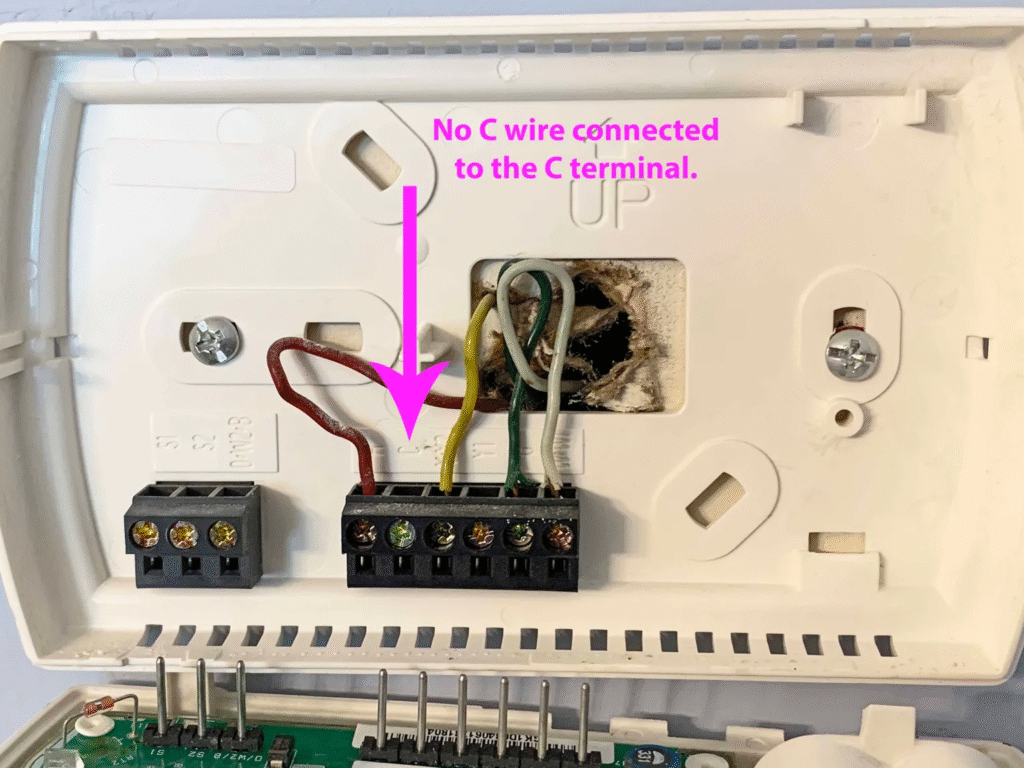
Installing a Honeywell thermostat is often a straightforward process, especially for those who are comfortable with basic home improvement tasks. The first step involves turning off the power to your HVAC system to ensure safety during installation. After removing the old thermostat, you can begin connecting the wires to the corresponding terminals on the new device.
Once the wiring is complete, the thermostat can be mounted on the wall using screws or a mounting plate. It is important to follow the manufacturer’s instructions carefully to ensure proper installation. Many Honeywell thermostats include step-by-step guides that make the process easier for beginners.
After installation, the final step is configuring the thermostat settings. For Wi-Fi-enabled models, this involves connecting the device to your home network and downloading the corresponding mobile application. Once connected, you can customize schedules, adjust temperature preferences, and explore additional features.
Tips for Using Your Honeywell Thermostat Efficiently
To maximize the benefits of your Honeywell thermostat, it is important to use it efficiently. One effective strategy is setting optimal temperature ranges for different seasons. For example, lowering the thermostat slightly during winter nights or raising it during summer days can significantly reduce energy consumption without affecting comfort.
Creating smart schedules is another helpful technique. By programming the thermostat to adjust temperatures when you are asleep or away from home, you can avoid unnecessary energy use. Many Honeywell thermostats also provide energy reports that show how your HVAC system is performing. Reviewing these reports can help you make adjustments that improve efficiency.
Regular maintenance is also essential for keeping your thermostat working properly. This includes cleaning the device, checking batteries if required, and ensuring that the sensors remain unobstructed. Proper maintenance ensures accurate temperature readings and reliable performance over time.
Common Honeywell Thermostat Problems and Troubleshooting
Although Honeywell thermostats are known for their reliability, users may occasionally encounter minor issues. One common problem is the thermostat not turning on. This can often be caused by dead batteries, loose wiring, or a tripped circuit breaker. Checking these components usually resolves the issue quickly.
Another common problem involves Wi-Fi connectivity. If the thermostat fails to connect to the network, restarting the device or resetting the router may solve the problem. Ensuring that the thermostat is within range of the Wi-Fi signal is also important for maintaining a stable connection.
Incorrect temperature readings may also occur if the thermostat is placed near heat sources, direct sunlight, or air vents. Relocating the device or adjusting the calibration settings can help fix this issue. By following simple troubleshooting steps, most thermostat problems can be resolved without professional assistance.
Conclusion
A Honeywell thermostat is more than just a temperature control device; it is a smart solution for improving home comfort and energy efficiency. With options ranging from basic manual models to advanced smart thermostats, Honeywell offers a wide range of products designed to meet the needs of modern households. These devices help maintain consistent indoor temperatures while providing convenient features such as remote access, smart scheduling, and energy usage tracking.
Choosing the right Honeywell thermostat can make a significant difference in both comfort and energy savings. By understanding the different types, features, and installation processes, homeowners can select a model that fits their lifestyle and budget. With proper setup and regular maintenance, a Honeywell thermostat can provide reliable performance and long-term value for any home.
Frequently Asked Questions (FAQs)
What is a Honeywell thermostat used for?
A Honeywell thermostat controls the heating and cooling system in a home to maintain a comfortable indoor temperature.
How do I reset my Honeywell thermostat?
Most Honeywell thermostats can be reset by accessing the settings menu or removing and reinserting the batteries.
Can Honeywell thermostats work with all HVAC systems?
Many Honeywell thermostats are compatible with a wide range of HVAC systems, but it is important to check compatibility before installation.
Are Honeywell thermostats compatible with smart home assistants?
Yes, many models support voice assistants and smart home platforms.
How much energy can a Honeywell thermostat save?
Using programmable or smart features can help reduce energy consumption by adjusting temperatures automatically.
Do Honeywell thermostats require Wi-Fi to function?
Wi-Fi is only required for remote control and smart features; basic thermostat functions work without it.
How often should I replace thermostat batteries?
Battery replacement typically depends on usage, but many models require new batteries once a year.
Can I install a Honeywell thermostat myself?
Yes, many models are designed for DIY installation with step-by-step instructions.
Why is my Honeywell thermostat not connecting to Wi-Fi?
This may be due to network issues, incorrect settings, or weak signal strength.
Which Honeywell thermostat model is best for smart homes?
Smart models with Wi-Fi connectivity and voice assistant compatibility are ideal for smart home integration.
You May Also Read: Maya Le Tissier