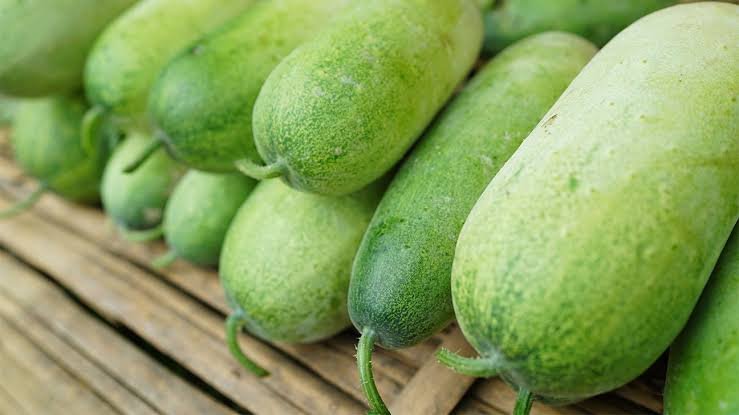
A gourd is a fascinating fruit that belongs to the Cucurbitaceae family, the same plant family as pumpkins, cucumbers, melons, and squash. Although many people associate gourds with autumn decorations, they have a much wider purpose. Some varieties are edible and form part of healthy diets around the world, while others are grown for crafts, ornaments, and practical household items. Their unique appearance and versatility have made them popular for thousands of years.
The history of the gourd stretches back to ancient civilisations, where dried gourds were used as containers, bowls, water vessels, and even musical instruments. Today, gardeners appreciate gourd for their easy cultivation, while cooks value edible varieties for their mild flavour and nutritional benefits. Whether grown for food or decoration, gourds continue to play an important role in agriculture, culture, and home gardening across many countries.
Types of Gourds
There are many different types of gourd, each offering its own characteristics and uses. Edible varieties include bottle gourd, bitter gourd, snake gourd, and sponge gourd. These vegetables are commonly used in Asian, African, and Mediterranean cooking because they absorb flavours well and provide valuable nutrients. Their shapes and sizes vary greatly, making them interesting additions to both gardens and kitchens.
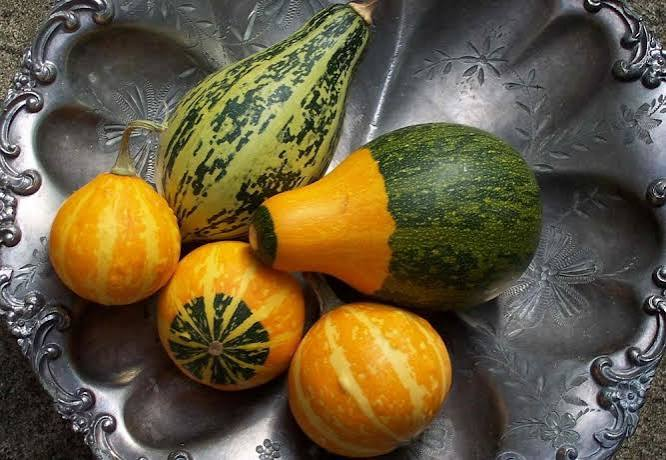
Ornamental gourds are grown mainly for their striking colours, unusual textures, and decorative shapes. Unlike edible varieties, many ornamental gourds develop hard shells once fully mature, making them perfect for seasonal displays and creative craft projects. Gardeners often grow several varieties together to create colourful displays that attract attention throughout autumn and into the winter months.
Uses of Gourds
The gourd has been valued for centuries because of its remarkable versatility. In the kitchen, edible gourds are prepared in soups, curries, casseroles, stir-fries, and roasted vegetable dishes. Their delicate flavour blends well with herbs and spices, making them suitable for both traditional and modern recipes. Many cultures include gourds in everyday meals due to their affordability and impressive nutritional profile.
Outside the kitchen, gourds have countless practical and decorative uses. Dried gourds are transformed into bowls, cups, storage containers, birdhouses, lanterns, and musical instruments. Artists also carve and paint gourds to create beautiful handcrafted decorations. These creative applications demonstrate how one simple plant can provide both functional and artistic value for households around the world.
Nutritional Value and Health Benefits of Gourds
Many edible gourd varieties are naturally low in calories while containing high amounts of water, making them an excellent addition to balanced diets. They also provide dietary fibre, vitamin C, vitamin A, potassium, and other essential nutrients that support overall wellbeing. Regular consumption may help maintain hydration, improve digestion, and contribute to a healthier lifestyle without adding excessive calories.
Several gourds also contain beneficial plant compounds and antioxidants that help protect the body’s cells from everyday damage. Their fibre content supports digestive health and promotes a feeling of fullness after meals. Including edible gourds in weekly meal plans is a simple way to increase vegetable intake while enjoying fresh, seasonal produce that complements a variety of dishes.
How to Grow Gourds
Growing a gourd is a rewarding experience for gardeners of all skill levels. Gourds thrive in warm weather, fertile soil, and locations that receive plenty of sunlight throughout the day. Seeds should be planted after the danger of frost has passed, allowing young plants to establish strong roots before producing vigorous climbing vines and healthy fruit during the growing season.
Consistent watering, occasional feeding, and proper spacing are essential for successful growth. Supporting climbing varieties with trellises improves air circulation and helps produce cleaner fruit. Regularly checking plants for pests and diseases also encourages healthy development. With the right care and patience, gardeners can enjoy a generous harvest suitable for cooking, decorating, or preserving.
How to Store and Use Gourds
Fresh edible gourds should be stored in a cool, dry place away from direct sunlight until they are ready to be cooked. Depending on the variety, refrigeration may help extend freshness for several days. Washing them only before use helps prevent unnecessary moisture, allowing them to remain firm and maintain their natural flavour for longer periods.
Ornamental gourds require a different storage process. They should be carefully cured by drying them in a well-ventilated area until their outer shell becomes hard. Once fully dried, they can be painted, carved, polished, or displayed as long-lasting decorative pieces. Proper storage ensures gourds remain attractive and durable for many months.
Interesting Facts About Gourds
The gourd is among the oldest cultivated plants known to humanity. Archaeological discoveries suggest that ancient communities grew gourds thousands of years ago, using them long before pottery became common. Their lightweight yet durable shells made them ideal for carrying water, storing grains, and creating practical household tools that supported daily life.
Today, gourds continue to inspire gardeners, artists, and researchers alike. Some varieties grow into unusual shapes naturally, while others can be trained into decorative forms using specially designed moulds. Around the world, gourds appear in cultural festivals, agricultural exhibitions, and gardening competitions, demonstrating their enduring popularity and remarkable diversity.
Conclusion
The gourd is far more than a simple garden plant. It combines beauty, practicality, nutrition, and history in a way that few other crops can match. Whether you choose edible varieties for cooking or ornamental types for creative projects, gourds offer something valuable for every home and garden. Their adaptability has made them an important part of cultures across the globe.
Understanding the different types, uses, health benefits, and growing techniques allows you to appreciate the true value of the gourd. With proper care and a little patience, anyone can successfully grow gourds and enjoy their many uses. From delicious meals to handcrafted decorations, gourds continue to prove why they remain one of the most versatile plants cultivated today.
FAQs
What is a gourd?
A gourd is a fruit belonging to the Cucurbitaceae family. Depending on the variety, it may be grown for food, decoration, or practical household purposes.
Is a gourd a fruit or a vegetable?
Botanically, a gourd is a fruit because it develops from the flower of the plant. In cooking, however, many edible gourds are prepared and served as vegetables.
Which gourds are edible?
Bottle gourd, bitter gourd, snake gourd, and sponge gourd are among the most widely consumed edible varieties around the world.
What is the difference between a gourd and a pumpkin?
Pumpkins are a type of squash mainly grown for food and seasonal celebrations, while gourds include both edible and ornamental varieties with a much wider range of shapes and uses.
Are gourds easy to grow in the UK?
Yes. Many gourd varieties can be grown successfully in the UK during the warmer months if they receive full sunlight, fertile soil, regular watering, and protection from late frosts.
You May Also Read: Available