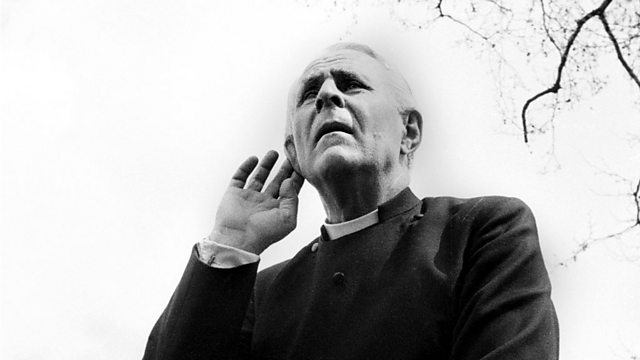
Lord Soper, also known as Donald Oliver Soper, was a British Methodist minister, Christian socialist, pacifist, writer, and public speaker who became one of the most recognized religious voices of twentieth-century Britain. He was famous for his open-air sermons at Hyde Park Speakers’ Corner, where he discussed Christianity, politics, poverty, peace, and social responsibility with people from all backgrounds.
| Detail | Information |
| Full Name | Donald Oliver Soper |
| Popular Name | Lord Soper |
| Born | January 31, 1903 |
| Birthplace | London, England |
| Died | December 22, 1998 |
| Religious Tradition | Methodist Christianity |
| Profession | Minister, preacher, author, social campaigner |
| Known For | Hyde Park preaching, Christian socialism, pacifism |
| Political Connection | Labour Party |
| Peerage Title | Baron Soper of Kingsway |
Lord Soper became different from many religious leaders because he believed faith should not remain separate from public life. He argued that Christian teachings required action against poverty, war, inequality, and injustice. His sermons were not limited to churches; they reached people in public spaces where discussions about society and morality could happen openly.
Throughout his long career, Lord Soper combined religious leadership with social activism. He served within the Methodist Church, participated in peace movements, entered the House of Lords, and continued speaking about issues he believed affected ordinary people. His life remains an important example of how faith can influence social and political conversations.
Early Life and Education of Donald Oliver Soper
Donald Oliver Soper was born on January 31, 1903, in London. He grew up in a middle-class family and received an education that encouraged intellectual curiosity and personal discipline. Although his early life was comfortable, he became increasingly interested in questions about poverty, fairness, and the responsibilities people have toward one another.
Soper studied at Haberdashers’ Aske’s School before entering St Catharine’s College, Cambridge, where he studied history. His university education helped him understand how societies develop and why social problems continue across generations. During this period, he became interested in the relationship between religious beliefs and wider social issues.
After completing his studies, Soper continued his theological education at Wesley House, Cambridge, a Methodist theological institution. His training prepared him for ministry and strengthened his belief that Christianity should encourage practical action. He did not see religion as only a personal matter but as a force that could influence communities and improve human relationships.
His early experiences shaped the ideas that later defined his career. He developed a strong commitment to Christian socialism, a belief that Christian values should support equality, compassion, and care for vulnerable people. These ideas became the foundation of his preaching and activism.
Lord Soper’s Methodist Ministry and Leadership

Lord Soper was ordained as a Methodist minister in 1929 and quickly gained recognition because of his direct and engaging preaching style. Instead of focusing only on traditional church services, he believed religious messages should reach people where everyday conversations happened. This belief led him to become one of Britain’s best-known open-air preachers.
His sermons at places such as Hyde Park Corner and Tower Hill attracted large audiences. People came not only to hear religious messages but also to participate in discussions about politics, morality, and social issues. Soper welcomed questions and criticism because he believed open debate helped people examine their beliefs more deeply.
A major feature of his preaching was his ability to connect Christian teachings with real-life problems. He spoke about unemployment, poverty, war, and inequality while explaining how faith could encourage people to support justice and peace. His speaking style combined knowledge, humor, and strong moral arguments.
Soper’s influence within Methodism grew over time. He became President of the Methodist Conference from 1953 to 1954, one of the highest leadership positions in the Methodist Church in Britain. This role reflected his importance within the denomination and his ability to represent Methodist values on a national level.
Lord Soper and Hyde Park Speakers’ Corner
One of the most important parts of Lord Soper’s public life was his connection with Hyde Park Speakers’ Corner in London. For many years, he stood in this famous public space and delivered speeches that attracted listeners from different social, political, and religious backgrounds.
Unlike traditional sermons delivered from a church pulpit, Soper’s Hyde Park speeches created direct conversations between speaker and audience. People challenged his views, questioned his beliefs, and debated his ideas. He responded with patience and intelligence, making these discussions a major part of his reputation.
His open-air preaching demonstrated his belief that religion should engage with society. He discussed major issues affecting Britain, including poverty, economic inequality, nuclear weapons, and international conflicts. Through these speeches, he became known as a preacher who was willing to address difficult topics instead of avoiding controversy.
The importance of Speakers’ Corner in Soper’s career was not only the size of his audience but also the type of communication he encouraged. He showed that religious discussions could happen outside churches and that respectful disagreement could create meaningful conversations.
Lord Soper’s Christian Socialism and Political Views
Lord Soper was closely associated with Christian socialism, an approach that connects Christian ethics with concerns about social equality. He believed that societies should protect vulnerable people and that economic systems should be judged by how they affect human lives.
His political views were connected with the Labour movement, where he supported ideas related to social welfare, equality, and support for working-class communities. Soper believed that politics should not only focus on power but also on moral responsibility and improving living conditions.
One of the strongest parts of his activism was his commitment to pacifism. He opposed war because he believed violence damaged humanity and conflicted with Christian principles. During periods when many people supported military solutions, Soper continued to argue for peaceful alternatives.
He was also involved in campaigns connected with nuclear disarmament, including the Campaign for Nuclear Disarmament. His opposition to nuclear weapons came from his belief that protecting human life should be a central responsibility of governments and societies.
Lord Soper’s Peace Campaigns and Social Activism
Lord Soper’s activism extended beyond political discussions. He regularly supported causes involving poverty, homelessness, and social inequality. He believed that religious commitment should be demonstrated through practical support for people facing difficult circumstances.
His pacifist beliefs were influenced by Christian peace movements, including the Fellowship of Reconciliation. Through these connections, he worked with others who believed conflicts should be resolved through dialogue rather than violence.
During the twentieth century, Soper often expressed views that were considered controversial. However, he remained consistent in defending peace and human dignity. He believed that changing society required courage, even when those ideas were unpopular.
His activism showed a clear connection between his beliefs and actions. For Soper, preaching was not only about explaining religious ideas; it was also about encouraging people to respond to suffering and injustice in practical ways.
Lord Soper in the House of Lords
In 1965, Donald Oliver Soper received a life peerage and became Baron Soper of Kingsway. His appointment made him one of the first Methodist ministers to enter the House of Lords, giving him a new platform for discussing issues connected with his lifelong work.
As a member of the House of Lords, Soper continued speaking about peace, social justice, and equality. He viewed his position as an opportunity to raise concerns affecting ordinary citizens rather than simply as a personal achievement.
His parliamentary work reflected the same values that shaped his ministry. He continued supporting policies and discussions related to poverty reduction, social welfare, and peaceful international relations.
By entering politics while remaining a religious leader, Soper demonstrated how faith-based perspectives could contribute to public debates. His career connected the worlds of religion, activism, and government in a way that was unusual for his time.
Lord Soper Timeline
| Year | Important Event |
| 1903 | Donald Oliver Soper was born in London |
| 1929 | Became a Methodist minister |
| 1953–1954 | Served as President of the Methodist Conference |
| 1965 | Became Baron Soper of Kingsway and entered the House of Lords |
| 1998 | Passed away on December 22 |
This timeline highlights the major stages of Lord Soper’s life, from his early ministry to his national influence as a religious and political figure. His career lasted for decades and covered some of the most important social debates of the twentieth century.
Why Lord Soper Still Matters Today
Lord Soper’s ideas continue to attract interest because many modern discussions still involve questions about poverty, peace, inequality, and the role of religion in society. His belief that faith should encourage action remains relevant to many religious and social organizations.
His approach to public speaking also offers lessons about communication and debate. At a time when disagreements often become divided and hostile, Soper’s willingness to listen and respond respectfully remains an important example.
Although people have different opinions about his political beliefs, his dedication to public service and humanitarian concerns is widely recognized. He showed that religious leaders could participate in wider social conversations while maintaining strong personal convictions.
Lord Soper’s life represents a combination of faith, courage, and public responsibility. His work continues to be studied by people interested in British history, Methodist traditions, peace movements, and social activism.
Conclusion
Lord Soper was one of the most distinctive religious figures in modern British history. As a Methodist minister, public speaker, peace campaigner, and member of the House of Lords, he used every platform available to discuss issues he believed mattered most.
His journey from a young theology student to a nationally recognized preacher shows the influence a committed individual can have on society. Through Hyde Park sermons, political discussions, and social campaigns, he connected Christian beliefs with practical efforts to create a fairer world.
The legacy of Lord Soper is not only found in his speeches or positions but also in his belief that faith should inspire responsibility. His message about compassion, peace, and justice continues to provide valuable lessons for modern audiences.
FAQs
Who was Lord Soper?
Lord Soper was Donald Oliver Soper, a British Methodist minister, Christian socialist, pacifist, and public speaker known for his preaching and social activism.
What was Lord Soper famous for?
Lord Soper was famous for his open-air sermons at Hyde Park Speakers’ Corner, where he discussed religion, politics, peace, and social issues.
Why did Lord Soper oppose war?
Lord Soper opposed war because he believed violence conflicted with Christian teachings and that peaceful solutions should be pursued whenever possible.
When did Lord Soper become Baron Soper of Kingsway?
Lord Soper became Baron Soper of Kingsway in 1965 after receiving a life peerage and joining the House of Lords.
What church did Lord Soper belong to?
Lord Soper belonged to the Methodist Church and served as President of the Methodist Conference from 1953 to 1954.
Why is Lord Soper remembered today?
Lord Soper is remembered for combining religious leadership with social activism, supporting peace, and encouraging public discussions about justice and equality.
You May Also Read: Calima News