Downlights have become one of the most popular lighting choices in modern homes and commercial spaces. Their sleek appearance, versatility, and ability to blend seamlessly into ceilings make them ideal for contemporary interior design. Unlike traditional lighting fixtures that hang down or dominate a room, downlight provide subtle illumination that enhances both aesthetics and functionality. As homeowners and designers increasingly prioritize clean lines and efficient lighting solutions, downlights continue to grow in demand.
The rise of energy-efficient lighting has also played a major role in the popularity of downlights. With the widespread adoption of LED technology, down’lights now offer excellent brightness with minimal energy consumption. This makes them an attractive option for those looking to reduce electricity bills while maintaining high-quality lighting. From living rooms and kitchens to offices and retail spaces, downlights can be adapted to suit almost any environment.
This comprehensive guide explores everything you need to know about down’lights, from understanding what they are and the different types available to choosing the right option and installing them safely. Whether you are planning a renovation, upgrading your lighting system, or simply learning about modern lighting solutions, this article will provide valuable insights to help you make informed decisions.
What Is a Downlight?
Definition and Basic Function
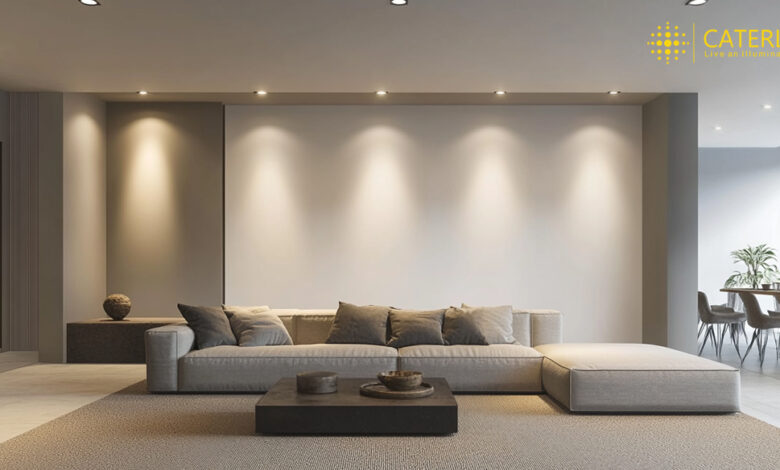
A downlight is a type of light fixture that is installed directly into the ceiling, directing light downward in a focused or diffused beam. Because they are recessed or surface-mounted, downlights create a clean and uncluttered appearance. Their primary function is to provide ambient, task, or accent lighting depending on placement, beam angle, and brightness.
Down’lights are commonly used to evenly illuminate spaces without drawing attention to the fixture itself. This makes them particularly suitable for modern interiors where simplicity and functionality are key. They can be used individually or in groups to create balanced lighting throughout a room. Materials typically include aluminum, steel, or plastic, with finishes ranging from matte white to brushed chrome and black.
The flexibility of down’lights allows them to be used in both residential and commercial settings. Whether highlighting architectural features, illuminating workspaces, or creating a cozy atmosphere, down’lights serve multiple purposes with minimal visual impact. Their adaptability makes them a cornerstone of modern lighting design.
Evolution of Downlight Technology
Downlight technology has evolved significantly over the years. Traditional halogen down’lights were once the standard, but they consumed high amounts of energy and generated excessive heat. The shift toward LED down’lights has transformed the lighting industry, offering longer lifespans, lower energy consumption, and improved safety.
Modern LED down’lights can last up to 50,000 hours, drastically reducing maintenance and replacement costs. They are available in a wide range of color temperatures, brightness levels, and smart features such as dimming and remote control. Some models even integrate with smart home systems, allowing users to customize lighting scenes with ease.
This technological evolution has made down’lights more accessible, efficient, and environmentally friendly. As innovation continues, down’lights are expected to become even smarter and more sustainable, further solidifying their role in modern lighting solutions.
Types of Downlights
LED Downlights
LED down’lights are the most popular option today due to their energy efficiency and performance. They consume significantly less electricity than halogen alternatives while providing equal or greater brightness. This makes them ideal for both residential and commercial applications where long operating hours are common.
In addition to energy savings, LED down’lights offer versatility in color temperature, ranging from warm white for cozy spaces to cool white for task-oriented areas. They are available in various designs, allowing homeowners and designers to match them with different interior styles. LED down’lights are also environmentally friendly, as they contain no harmful substances and have a long lifespan.
Fixed vs Adjustable Down’lights
Fixed down’lights emit light in a single, downward direction and are ideal for general ambient lighting. They are commonly used in living rooms, bedrooms, and hallways to provide even illumination. Their simplicity makes them easy to install and maintain.
Adjustable down’lights, on the other hand, allow users to direct light toward specific areas or objects. These are perfect for accent lighting, such as highlighting artwork, shelves, or architectural features. By combining fixed and adjustable down’lights, designers can create layered lighting that enhances both functionality and visual interest.
Fire-Rated and Waterproof Downlights
Fire-rated down’lights are designed to maintain fire resistance in ceilings, making them essential for safety in many buildings. They help prevent the spread of fire and are often required by building regulations. Waterproof down’lights, rated with appropriate IP levels, are suitable for bathrooms, kitchens, and outdoor areas where moisture is present.
Choosing the right type of down’light ensures safety, compliance, and durability, particularly in specialized environments.
Choosing the Right Downlight
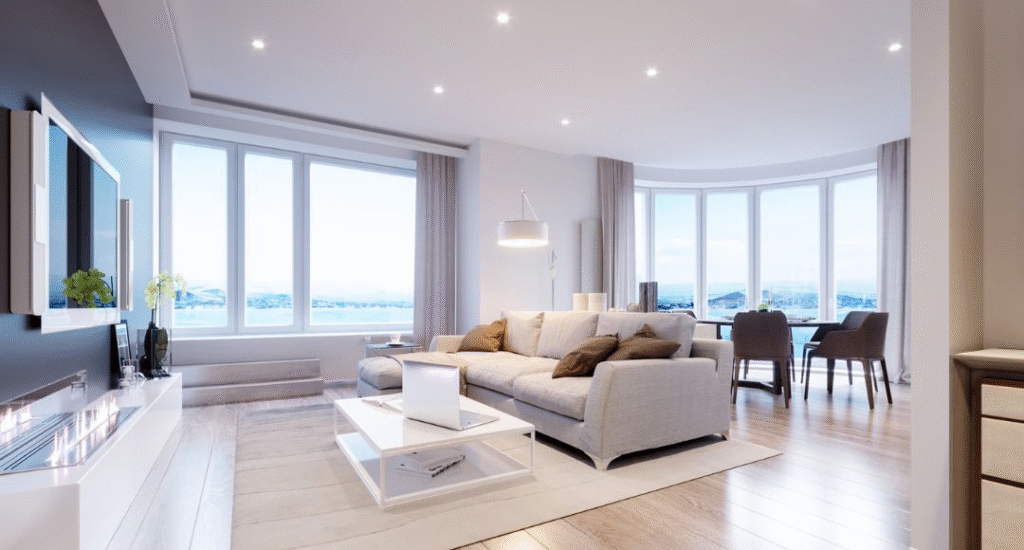
Brightness, Color Temperature, and Beam Angle
Selecting the right down’light involves understanding brightness, color temperature, and beam angle. Brightness is measured in lumens, with higher lumens indicating more light output. Color temperature affects the mood of a space, with warm tones creating a relaxed atmosphere and cooler tones enhancing focus and productivity.
Beam angle determines how light spreads across a room. Narrow beams are ideal for accent lighting, while wider beams provide general illumination. Matching these factors to the room’s purpose ensures optimal lighting performance.
Design and Aesthetic Considerations
Down’lights should complement the overall design of a space. Trim colors, shapes, and finishes can enhance or blend into ceilings depending on design preferences. Ceiling height and spacing also play a crucial role in achieving balanced lighting without glare or shadows.
Energy Efficiency and Cost Considerations
Energy-efficient down’lights offer long-term savings despite higher initial costs. LED models reduce electricity consumption and maintenance expenses, making them a cost-effective investment. Evaluating energy ratings and lifespan helps in making informed decisions.
Downlight Installation and Safety
Installation Methods
Down’lights can be installed by professionals or experienced DIYers, depending on complexity. Recessed installations require adequate ceiling space and proper wiring, while surface-mounted options offer simpler installation.
Safety Standards and Regulations
Compliance with safety standards is essential. Fire-rated down’lights, proper insulation clearance, and correct IP ratings ensure safe operation. Following local building codes protects both property and occupants.
Maintenance and Troubleshooting
Regular cleaning keeps down’lights performing optimally. Common issues such as flickering or dimming can often be resolved by checking wiring or replacing faulty components. Knowing when to repair or replace down’lights saves time and money.
Downlight Applications and Design Ideas
Downlights are versatile, suitable for living rooms, kitchens, bedrooms, offices, and retail spaces. Layered lighting techniques combine down’lights with other fixtures to create depth and ambiance. Creative placement enhances both functionality and aesthetics.
Conclusion
Downlights offer a modern, efficient, and stylish lighting solution for various spaces. Their versatility, energy efficiency, and design flexibility make them a popular choice for contemporary interiors. By understanding types, installation, and design considerations, you can select down’lights that enhance both functionality and visual appeal.
Frequently Asked Questions (FAQs)
What is the difference between LED and halogen downlights?
LED downlights are more energy-efficient, last longer, and produce less heat than halogen options.
How many downlights do I need per room?
The number depends on room size, ceiling height, and desired brightness.
Are downlights energy-efficient?
Yes, especially LED downlights, which consume less power and have long lifespans.
Can downlights be installed in bathrooms?
Yes, waterproof downlights with appropriate IP ratings are suitable for bathrooms.
Do downlights require professional installation?
While some can be DIY-installed, professional installation ensures safety and compliance.
What color temperature is best for home downlights?
Warm white for living areas and cool white for kitchens and workspaces.
Are fire-rated downlights mandatory?
They are often required by building regulations, especially in residential properties.
How long do LED downlights last?
High-quality LED downlights can last up to 50,000 hours.
You May Also Read: National Lottery Unclaimed Prize Winner