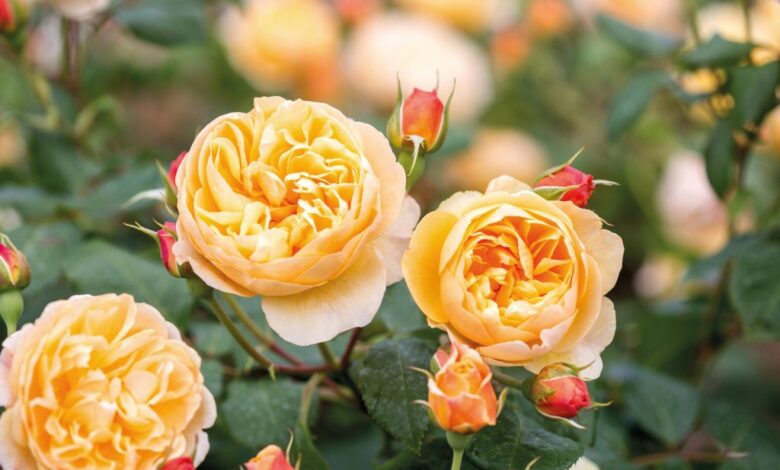
David Austin Roses are renowned worldwide for their beauty, fragrance, and timeless elegance. These roses, often referred to as English Roses, have captivated gardeners, landscapers, and flower enthusiasts for decades. Known for their full-petaled blooms and enchanting scents, David Austin Roses combine the charm of traditional roses with the robustness of modern varieties, making them ideal for both private gardens and professional landscaping projects.
Beyond their aesthetic appeal, David Austin Roses hold a special place in horticulture due to the innovative breeding techniques pioneered by David Austin himself. By crossing old-fashioned roses with modern hybrid teas and floribundas, he created a unique line of roses that possess the best qualities of both worlds. These roses are not only visually stunning but also resilient, fragrant, and adaptable to various climates, which has contributed to their widespread acclaim.
This article serves as a comprehensive guide for anyone interested in learning about David Austin Roses. From their rich history and most popular varieties to planting, care, and landscaping ideas, this guide covers every essential aspect. Whether you are a beginner gardener seeking guidance or an experienced enthusiast looking to expand your rose collection, understanding the nuances of David Austin Roses will help you maximize their potential and enjoy their breathtaking blooms throughout the year.
History of David Austin Roses
The story of David Austin Roses begins with the visionary breeder David C.H. Austin, an English horticulturist who transformed the world of rose cultivation. In the 1960s, Austin set out to create roses that combined the beauty and fragrance of old garden roses with the repeat flowering and color diversity of modern hybrids. His pioneering work led to the creation of the now-famous English Roses, which quickly gained international recognition for their charm, fragrance, and reliability.
David Austin’s first breakthrough came with the introduction of the rose “Constance Spry” in 1961, a large, elegantly petaled bloom with a strong scent reminiscent of traditional roses. The success of this rose laid the foundation for a long series of award-winning varieties. Over the decades, Austin continued to experiment with breeding techniques, producing roses that appealed to both gardeners and florists. His dedication to innovation, quality, and consistency earned him numerous awards and established David Austin Roses as a symbol of excellence in horticulture.
The history of these roses is also marked by their contribution to English garden culture. Unlike mass-produced hybrid roses, David Austin Roses capture the romanticism and elegance of classic gardens, often used in stately homes, historical estates, and modern landscaped gardens alike. Today, the brand is celebrated globally, with each rose variety reflecting the legacy and vision of its founder while inspiring new generations of gardeners to cultivate beauty in their own spaces.
Popular Varieties of David Austin Roses
David Austin Roses are celebrated for their variety, fragrance, and unique characteristics. Among the most popular varieties are Gertrude Jekyll, known for its intense old-rose fragrance; Graham Thomas, a bright yellow rose that has won multiple awards; and Abraham Darby, a large peach-colored rose prized for its robust blooms and sweet scent. Each variety is carefully bred to offer unique aesthetics, fragrance, and growth patterns, ensuring that gardeners can find a rose suited to every taste and garden design.
Fragrance plays a pivotal role in the popularity of David Austin Roses. Many varieties carry complex scents reminiscent of classic garden roses, ranging from fruity and spicy to traditional English rose fragrances. These aromatic qualities enhance both private gardens and public spaces, adding a sensory dimension that goes beyond visual appeal.
Blooming patterns and colors are another distinguishing factor. David Austin Roses come in a wide spectrum of hues—from soft pastels to deep, rich tones—and often bloom repeatedly throughout the season. This continuous flowering makes them ideal for creating vibrant garden displays or cut flower arrangements for home décor. Seasonal favorites such as Evelyn and Queen of Sweden are particularly admired for their long-lasting blooms and adaptability to different climates.
Planting and Growing David Austin Roses
Planting David Austin Roses requires careful consideration of location, soil, and environmental conditions. These roses thrive in well-drained soil with rich organic matter, and they need a location that receives at least six hours of sunlight daily. Gardeners should prepare the soil by loosening it, adding compost, and ensuring proper drainage to support healthy root growth. Proper site selection is crucial, as it affects both flowering and resistance to diseases.
When planting, spacing is important to allow air circulation and prevent fungal infections. Each rose bush should be planted with sufficient room to grow, ideally with a distance of at least 2–3 feet between plants. After planting, watering deeply and regularly is necessary to help establish the roots. Mulching around the base can help retain moisture and regulate soil temperature, providing an optimal environment for growth.
Fertilization is another critical aspect. Using a balanced rose fertilizer promotes strong stems, abundant foliage, and vibrant blooms. Gardeners are advised to follow a seasonal feeding schedule, usually in spring and summer, to maximize growth and flowering. Regular pruning is equally important, removing dead or weak branches to encourage airflow and allow the plant to focus its energy on healthy, productive stems.
Maintaining and Caring for Your Roses
Caring for David Austin Roses involves routine maintenance and attention to detail. These roses are generally hardy, but they can be susceptible to common pests such as aphids, spider mites, and black spot disease. Early detection and treatment using environmentally friendly solutions like neem oil or insecticidal soap can prevent damage while preserving the plant’s health.
Seasonal care is essential to ensure year-round beauty. In winter, gardeners should protect the roots with mulch or straw, especially in colder regions, to prevent frost damage. During summer, consistent watering and pruning promote continued flowering, while deadheading spent blooms encourages new growth.
Long-term care also includes monitoring for nutrient deficiencies and ensuring the plant receives adequate sunlight and water. By maintaining a consistent care routine, gardeners can enjoy lush foliage, abundant blooms, and a fragrant garden for many years. The reward of dedicated care is evident in the striking beauty, health, and longevity of David Austin Roses.
Landscaping and Garden Design with David Austin Roses
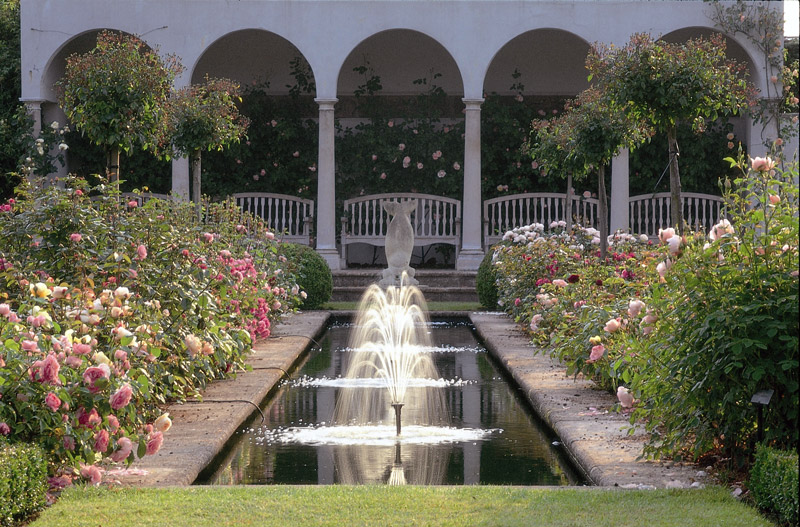
David Austin Roses are not only admired for their individual beauty but also for their versatility in garden design. They can be incorporated into formal garden layouts, used as hedges, or planted alongside other perennials and shrubs to create a harmonious landscape. Their repeated blooms and variety of colors make them ideal for themed gardens, romantic garden corners, or as focal points in larger landscapes.
Gardeners often pair David Austin Roses with companion plants like lavender, foxgloves, or clematis to create visually appealing contrasts in color, texture, and height. Strategic placement enhances the aesthetic value and supports healthy growth by improving air circulation and light exposure.
Famous gardens worldwide showcase the elegance of David Austin Roses, inspiring homeowners and designers alike. From classic English country gardens to modern urban landscapes, these roses add sophistication, fragrance, and a sense of timeless beauty. The versatility of varieties allows for endless creative possibilities, making them a favorite choice for both amateur and professional gardeners.
Buying and Choosing the Right David Austin Roses
When selecting David Austin Roses, it’s crucial to purchase from authentic nurseries or official online stores to ensure quality and true-to-name varieties. Buyers should consider factors like climate suitability, garden size, and personal preferences regarding fragrance, bloom color, and growth habits.
Pricing varies based on variety, size, and source, but investing in healthy, certified plants ensures a strong start and better long-term results. First-time buyers may benefit from starting with easier-to-grow varieties such as Gertrude Jekyll or Graham Thomas, which are known for their resilience and repeat blooms.
By understanding the unique needs of each variety, gardeners can plan their layout, care schedule, and seasonal maintenance more effectively. This preparation not only maximizes the aesthetic impact but also ensures a thriving rose garden for years to come.
Conclusion
David Austin Roses are more than just beautiful flowers—they are a legacy of horticultural excellence, creativity, and dedication. From their historic origins with David Austin to their modern-day appeal in gardens worldwide, these roses embody elegance, fragrance, and versatility.
Whether you are a novice gardener or an experienced enthusiast, understanding their history, care requirements, and design potential allows you to enjoy the full beauty of these iconic roses. By investing in proper planting, maintenance, and thoughtful landscaping, you can experience the breathtaking blooms and timeless charm that make David Austin Roses a favorite among gardeners globally.
FAQs
What are David Austin Roses, and why are they special?
David Austin Roses are English Roses bred to combine the beauty of old garden roses with the repeat flowering of modern hybrids, known for their fragrance, charm, and versatility.
Who founded David Austin Roses, and what is their history?
They were founded by David C.H. Austin in England, with a vision to create roses that blend classic elegance with modern resilience.
What are the most popular David Austin rose varieties?
Popular varieties include Gertrude Jekyll, Graham Thomas, Abraham Darby, Evelyn, and Queen of Sweden, each with unique fragrance and bloom characteristics.
How do I plant and care for David Austin Roses?
Plant in well-drained, sunny locations, provide regular watering, mulch, fertilize seasonally, and prune dead or weak stems for healthy growth.
What are common problems with David Austin Roses, and how to solve them?
They can be affected by aphids, black spot, and fungal diseases; early detection and treatment with organic solutions prevent damage.
Can David Austin Roses grow in all climates?
They are adaptable but prefer temperate climates; winter protection may be needed in colder regions.
How often should I prune my David Austin Roses?
Prune annually in late winter or early spring to encourage new growth and improve airflow.
Where can I buy authentic David Austin Roses?
From authorized nurseries, garden centers, or the official David Austin Roses online store.
How long do David Austin Roses typically bloom?
Many varieties bloom repeatedly from late spring through autumn, depending on care and climate.
What makes David Austin Roses different from other rose varieties?
They combine old rose beauty and fragrance with modern hybrid vigor, continuous blooms, and a wide range of colors and scents.
You May Also Read: Ella Morgan