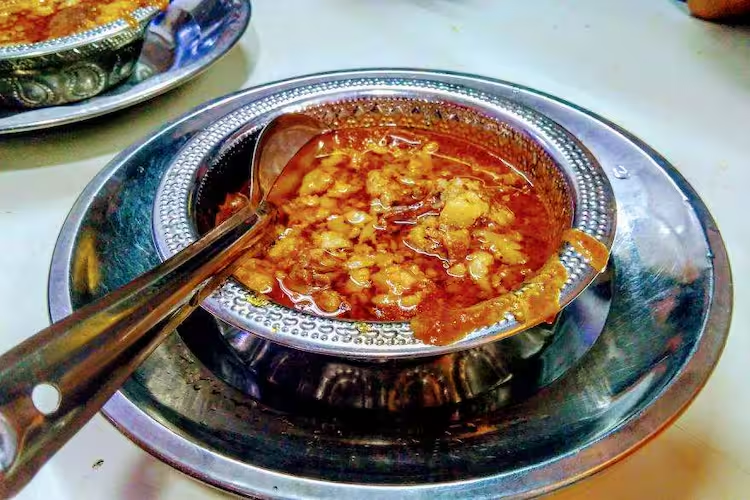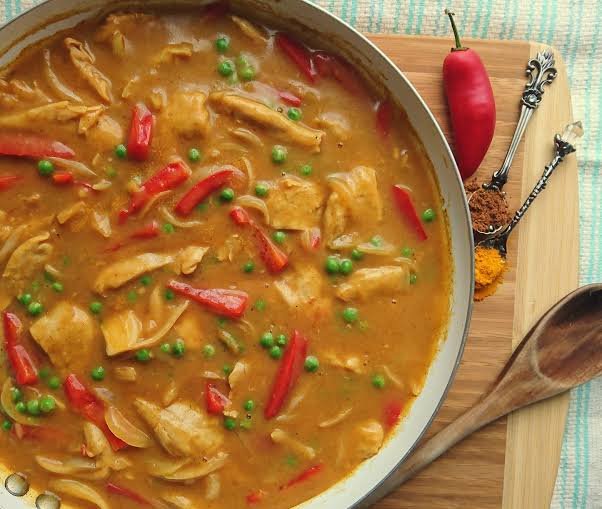
Chinese takeaway curry sauce is one of the most recognisable flavours in British Chinese cuisine. The smooth golden sauce served with chips, fried rice, noodles, and crispy chicken has become a comfort food favourite across the UK. Its appeal comes from a unique combination of mild curry spices, savoury stock, gentle sweetness, and a silky texture that makes it different from traditional Indian or Southeast Asian curries.
Many people try to recreate this sauce at home but find that the result does not taste quite like their favourite takeaway. The reason is usually not the ingredients alone, but the balance between spices, seasoning, cooking method, and texture. This guide explains how to make a Chinese takeaway curry sauce from scratch, what creates the classic flavour, and how to achieve a restaurant-style finish in your own kitchen.
What Is Chinese Takeaway Curry Sauce?
Chinese takeaway curry sauce is a UK-style curry sauce commonly served in Chinese restaurants and chip shops. Although it uses curry spices, it has developed its own identity over decades by combining British curry influences with Chinese takeaway cooking techniques. The sauce is usually mild, slightly sweet, rich in savoury flavour, and smooth enough to coat food evenly.
Unlike many traditional curries that contain large pieces of meat or vegetables, Chinese takeaway curry sauce is often prepared as a standalone sauce. Its main purpose is to add flavour to other dishes such as chips, rice, chicken, prawns, and noodles. This versatility is one reason it has remained a popular choice among takeaway customers.
The classic appearance of this sauce comes from turmeric-based curry powder, while its signature taste comes from a careful balance of spices, stock, soy sauce, and aromatics. A good version should not taste overly spicy; instead, it should provide warmth, depth, and a slightly sweet finish.
Ingredients Needed For Chinese Takeaway Curry Sauce
Creating a takeaway-style curry sauce starts with choosing ingredients that build flavour in layers. The foundation usually includes onion, garlic, and ginger because these aromatics create sweetness and depth when cooked slowly. Curry powder provides the main spice profile, while Chinese five spice adds subtle aromatic notes that make the sauce taste closer to restaurant versions.
For a homemade batch serving around four people, you will need:
- 1 medium onion, finely chopped
- 3 garlic cloves, crushed
- 1 small piece of fresh ginger, grated
- 2 tablespoons mild curry powder
- 1 teaspoon Chinese five spice powder
- 500ml chicken or vegetable stock
- 1 tablespoon dark soy sauce
- 1 teaspoon sugar
- 2 tablespoons cornflour mixed with cold water
- 1 tablespoon cooking oil
- Salt and white pepper according to taste
Some takeaway-style recipes also include a small amount of chilli powder, chicken stock powder, or MSG for additional savoury flavour. These ingredients are optional, but they can help create a taste closer to commercial takeaway sauces.
How To Make Chinese Takeaway Curry Sauce Step By Step
Begin by heating oil in a saucepan over medium heat. Add the chopped onion and cook slowly until it becomes soft and lightly golden. This step is important because rushing the onions can leave the sauce with a sharp flavour instead of the sweet, rounded taste found in takeaway versions.
Add garlic and ginger, then continue cooking for another minute until fragrant. Next, add curry powder and Chinese five spice. Stir the spices into the onion mixture and allow them to cook briefly. Heating the spices before adding liquid helps release their natural oils and creates a deeper flavour.
Slowly pour in the warm stock while stirring continuously. This prevents lumps and allows the spices to blend smoothly into the sauce. Add dark soy sauce, sugar, and seasoning, then allow the mixture to simmer gently for around 10 to 15 minutes.
Once the flavours have developed, mix cornflour with cold water to create a smooth slurry. Add it gradually while stirring until the sauce reaches the thick, glossy consistency associated with Chinese takeaways. For an extra smooth finish, blend the sauce using a hand blender or strain it before serving.
How To Make Curry Sauce Taste Like A Chinese Takeaway
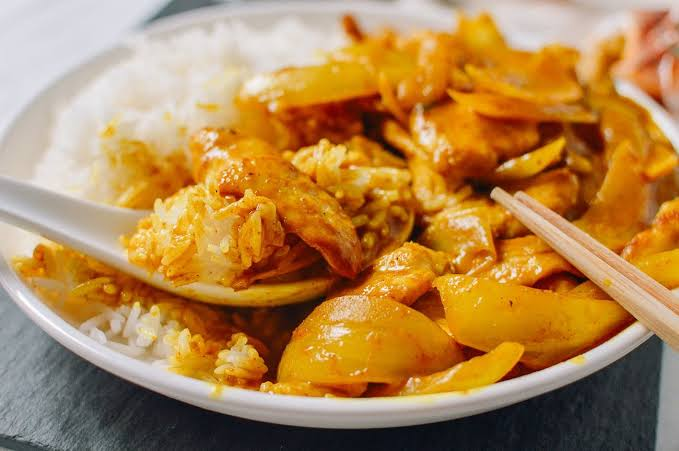
The biggest challenge when making Chinese curry sauce at home is achieving the same flavour and texture as a restaurant version. Many homemade sauces taste like a simple curry gravy because they focus only on curry powder. Takeaway-style sauce usually depends on several small details working together.
One important factor is texture. Chinese takeaway curry sauce is usually smoother and thinner than many homemade curries. Restaurants often blend the sauce or use finely processed ingredients to create a glossy finish. If your sauce tastes right but feels different, improving the texture can make a significant difference.
Another key factor is flavour balance. The sauce should contain savoury notes from stock and soy sauce, warmth from curry spices, and a small amount of sweetness to soften the spice. Adding too much curry powder or chilli can overpower the flavour and move the sauce away from the classic takeaway style.
Allowing the sauce to rest after cooking can also improve the final result. As it sits, the spices and seasoning combine more evenly, creating a deeper and more rounded taste.
Chinese Takeaway Curry Sauce vs Indian Curry Sauce
Although both sauces use curry spices, Chinese takeaway curry sauce and Indian curry sauces have different flavour profiles and purposes. Indian curries often focus on complex spice combinations, fresh herbs, and regional cooking traditions. They can range from mild to extremely spicy depending on the recipe.
Chinese takeaway curry sauce is usually designed to be a smooth accompaniment rather than a complete curry dish. It focuses on a balanced combination of mild spice, savoury flavour, sweetness, and a thick pouring consistency. The sauce is commonly paired with chips, fried rice, noodles, and crispy takeaway dishes.
The difference is also noticeable in texture. Chinese curry sauce tends to have a silky, gravy-like consistency, while many Indian curries have more visible ingredients and a richer spice structure.
Best Foods To Serve With Chinese Curry Sauce
One of the reasons Chinese takeaway curry sauce remains popular is its ability to work with many different foods. The most famous combination is curry sauce with chips, a classic British takeaway pairing that combines crispy potatoes with a rich, warm sauce.
It also works extremely well with fried rice, chow mein noodles, chicken balls, spring rolls, prawns, and stir-fried vegetables. For a quick homemade meal, you can pour the sauce over cooked chicken pieces or vegetables and serve it with steamed rice.
The sauce can also be used as a dipping option. Its smooth texture makes it suitable for crispy snacks, including homemade fries, vegetable spring rolls, and fried chicken.
Common Mistakes When Making Chinese Curry Sauce
One common mistake is using too much spice without considering balance. Chinese takeaway curry sauce is not meant to be extremely hot. Its popularity comes from a mild and comforting flavour that appeals to a wide range of people.
Another mistake is skipping the thickening stage or adding cornflour incorrectly. Cornflour should always be mixed with cold water first before being added to the hot sauce. Adding dry cornflour directly can create lumps and prevent the sauce from becoming smooth.
Some people also cook the sauce too quickly. Allowing enough time for onions, spices, and stock to combine creates a much richer flavour. A few extra minutes of gentle simmering can make a noticeable difference.
Storage And Reheating Tips
Homemade Chinese takeaway curry sauce is ideal for meal preparation because it stores well. Once cooled, place the sauce in an airtight container and keep it refrigerated. It can usually stay fresh for several days when stored correctly.
The sauce can also be frozen for longer storage. Freeze it in individual portions so you can quickly prepare a takeaway-style meal whenever needed. When reheating, warm it slowly in a saucepan and add a small amount of water or stock if the sauce becomes too thick.
Avoid boiling the sauce aggressively during reheating because high heat can affect the smooth texture. Gentle warming helps maintain the glossy consistency.
Conclusion
Chinese takeaway curry sauce is a simple but highly enjoyable sauce that represents the unique relationship between British and Chinese takeaway food culture. Its popularity comes from its mild spice, savoury depth, smooth texture, and ability to transform everyday dishes into comforting meals.
By using the right ingredients, cooking the aromatics properly, balancing the seasoning, and focusing on texture, you can create a homemade version that closely matches the flavour people love from Chinese takeaways. Whether served with chips, rice, noodles, or crispy chicken, this sauce remains a timeless favourite that is easy to prepare and enjoyable for everyone.
FAQs
What makes Chinese takeaway curry sauce different from normal curry sauce?
Chinese takeaway curry sauce is usually milder, smoother, slightly sweeter, and designed to be served as a sauce with dishes rather than as a complete curry meal.
What curry powder should I use for Chinese takeaway curry sauce?
A mild or medium British-style curry powder usually works best because it provides the traditional golden colour and balanced flavour.
Why does my homemade curry sauce not taste like takeaway sauce?
The difference is often caused by missing flavour balance, texture, or restaurant-style techniques such as blending, using stock, and allowing the sauce to rest.
Can I make Chinese takeaway curry sauce vegetarian or vegan?
Yes. Replace chicken stock with vegetable stock and check that your curry powder and sauces are suitable for your dietary requirements.
How long can homemade Chinese curry sauce be stored?
Stored in an airtight container, it can usually keep for several days in the refrigerator and can also be frozen for longer storage.
You May Also Read: Aquatic Plants Low Light