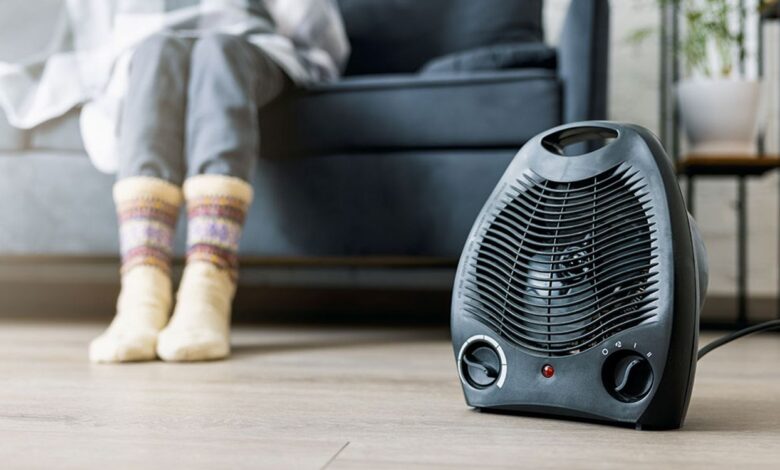
In colder months, a reliable and efficient fan heater can make a world of difference, especially in smaller spaces or rooms that require quick, targeted heating. Challenge fan heaters have become a popular choice among homeowners due to their affordability, portability, and range of features designed for comfort and safety. Unlike central heating systems that heat entire homes, fan heaters provide immediate warmth to localized areas, making them both convenient and energy-efficient. For those seeking an effective, temporary heating solution, understanding the nuances of Challenge fan heaters can enhance both performance and safety.
These heaters are designed to be compact, user-friendly, and quick to deploy. Whether placed in a bedroom, office, or small living space, they offer instant heat without the long wait times associated with traditional radiators or HVAC systems. However, the efficiency and safety of a fan heater depend largely on selecting the right model, using it correctly, and maintaining it properly. This guide aims to cover everything a user needs to know about Challenge fan heaters, from understanding the different types and features to tips for usage and maintenance.
By analyzing the benefits, usage strategies, and troubleshooting tips associated with Challenge fan heaters, this article provides a comprehensive reference for both new buyers and seasoned users. Beyond helping readers select the right product, it emphasizes safety, energy efficiency, and long-term durability, ensuring that your investment in a Challenge fan heater delivers warmth and peace of mind for years to come.
Understanding Challenge Fan Heaters
Types of Challenge Fan Heaters
Challenge offers several types of fan heaters, each designed for specific needs. Portable fan heaters are lightweight, compact, and ideal for quickly warming small spaces. They can be easily moved between rooms and stored when not in use. Tower fan heaters provide a sleeker design with vertical airflow, offering wider heat distribution and modern aesthetics that fit seamlessly into living spaces. These are particularly effective in medium-sized rooms where even heat spread is desired.
Ceramic fan heaters are another popular variant from Challenge. Unlike standard heaters, ceramic heaters use ceramic plates as a heating element, providing faster and more efficient heat while reducing energy consumption. They are also considered safer since they generally maintain a cooler exterior compared to traditional fan heaters. Choosing between these types depends on room size, aesthetic preference, and usage requirements, making it essential to evaluate your space and heating needs before purchase.
Each type of Challenge fan heater offers unique advantages. Portable models excel in versatility and convenience, tower heaters in design and distribution, and ceramic heaters in energy efficiency and safety. Understanding these differences ensures that users select a model that aligns with their needs, balancing cost, functionality, and comfort.
Key Features
Challenge fan heaters come equipped with several key features that enhance user experience. Adjustable thermostats and heat settings allow precise control over temperature, ensuring optimal comfort without wasting energy. Safety features, such as overheat protection and tip-over switches, are critical for preventing accidents, especially in homes with children or pets. Many models also include oscillation functions, spreading warm air evenly across the room.
Energy efficiency is another important aspect. Modern Challenge fan heaters are designed to consume less electricity while maintaining high performance. Features like automatic shut-off and low-power modes help reduce energy bills without compromising warmth. Additionally, fan speed controls and noise reduction technology make these heaters suitable for bedrooms or offices where a quieter environment is preferred.
These features collectively provide convenience, safety, and efficiency, positioning Challenge fan heaters as practical solutions for daily home heating. By evaluating these attributes, users can choose a heater that meets their personal needs while maintaining reliable performance.
Benefits of Using Challenge Fan Heaters
The primary advantage of Challenge fan heaters is quick and targeted heating. Unlike central heating, which warms an entire house, fan heaters focus on the room you are using, making them cost-effective and efficient. Their portability allows users to move them wherever needed, providing flexibility for temporary spaces, offices, or seasonal usage.
Another significant benefit is cost-effectiveness. With lower upfront costs and reduced electricity consumption compared to large heating systems, these heaters offer a practical solution for budget-conscious households. Many models also include features such as adjustable thermostats, timers, and oscillation functions that enhance heating efficiency while minimizing energy waste.
Finally, Challenge fan heaters offer convenience and ease of use. Their plug-and-play functionality, compact size, and simple controls make them accessible for anyone, regardless of technical expertise. These benefits, combined with advanced safety features, make Challenge fan heaters a reliable option for maintaining warmth during cold months.
Buying Guide: How to Choose the Right Challenge Fan Heater
Room Size and Heating Capacity
When selecting a Challenge fan heater, matching the heater’s wattage to the room size is crucial. Smaller rooms require less power, typically between 500–1500 watts, while larger rooms may need higher wattage units for effective heating. Manufacturers often provide square footage recommendations for each model, making it easier to choose the right heater.
Understanding heat output in relation to room volume ensures the heater can maintain a comfortable temperature without overworking or consuming excessive energy. Proper sizing improves efficiency and prolongs the lifespan of the heater. Selecting an undersized heater can result in inadequate warmth, while an oversized unit may consume unnecessary electricity.
Safety Considerations
Safety is a major factor when purchasing a fan heater. Challenge models are equipped with overheat protection, ensuring the heater automatically shuts down if temperatures exceed safe levels. Tip-over switches prevent accidents if the heater is accidentally knocked over. Additionally, certified models with fire-resistant materials offer added peace of mind, especially in households with children or pets.
Users should also consider features like cool-touch exteriors, insulated wiring, and compliant safety certifications. These elements reduce risk and ensure that the heater operates reliably under everyday conditions.
Additional Features to Look For
Modern Challenge fan heaters offer a variety of convenience features. Timers and programmable settings allow users to schedule heating, saving energy while maintaining comfort. Some models include remote controls or smart connectivity, enabling easy adjustment from a distance. Oscillation settings and adjustable airflow ensure even heat distribution across the room, enhancing performance and comfort.
Choosing models with additional features can significantly improve usability, making the heater more versatile and user-friendly for different household scenarios.
Customer Reviews and Brand Reputation
Before buying, reviewing customer feedback and brand reputation is essential. Online reviews provide insights into reliability, durability, and common issues. Comparing Challenge heaters with competitors helps determine which model offers the best balance of features, safety, and value. Warranty and after-sales support also play a critical role in long-term satisfaction.
Usage Tips for Maximum Efficiency
Placement of the Heater
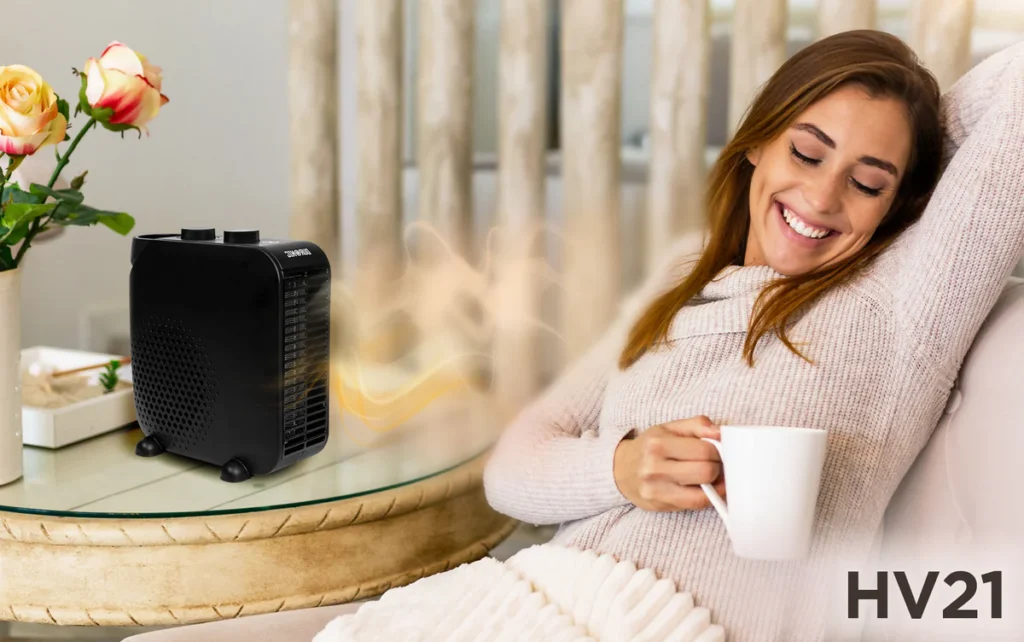
Proper placement ensures optimal heat distribution and safety. Fan heaters should be positioned away from walls, curtains, and flammable materials. Placing the heater in a central location allows for better circulation and consistent room warmth. Avoiding blocked airflow ensures the fan operates efficiently and prevents overheating.
Energy-Saving Tips
Energy efficiency can be maximized by using lower heat settings, turning off the heater when leaving the room, and combining heater usage with proper insulation. Using timers helps reduce unnecessary energy consumption, and pairing the heater with draft-proofing or rugs increases warmth without overworking the unit.
Common Mistakes to Avoid
Common mistakes include overloading electrical circuits, leaving heaters unattended for long periods, and neglecting cleaning. Avoid placing heaters on soft surfaces that could obstruct airflow or create fire hazards. Regular maintenance ensures safe operation and longevity.
Maintenance and Troubleshooting
Cleaning the Heater
Regular cleaning removes dust and debris from the fan and heating elements. Using a dry cloth or gentle brush avoids moisture-related damage. Cleaning every few weeks keeps the heater efficient and prevents overheating due to dust buildup.
Common Problems and Fixes
Issues such as the heater not turning on, unusual fan noise, or uneven heating are often straightforward to fix. Checking power connections, ensuring vents are clear, and resetting internal components usually resolves most problems.
When to Replace Your Heater
Signs that a heater needs replacement include decreased performance, persistent noise, visible wear, or safety concerns. Replacing an outdated or faulty heater ensures both efficiency and household safety.
Conclusion
Challenge fan heaters offer quick, efficient, and safe heating for a variety of home and office spaces. Selecting the right model, understanding key features, using it effectively, and performing regular maintenance ensures optimal performance and energy efficiency. With proper care, these heaters provide comfort, convenience, and peace of mind during cold months, making them a reliable addition to any home.
FAQs
Are Challenge fan heaters safe to use around children and pets?
Yes, with overheat protection, tip-over switches, and cool-touch designs, they are designed for safe household use.
How do I choose the right wattage for my room?
Match the heater’s wattage to your room size; smaller rooms need 500–1500 watts, larger rooms may require more.
Can I leave a Challenge fan heater on overnight?
It is recommended to follow safety instructions and use timers or automatic shut-off features for overnight use.
How often should I clean my fan heater?
Every 2–4 weeks to remove dust and maintain airflow and efficiency.
What is the difference between ceramic and standard fan heaters?
Ceramic heaters use ceramic plates for faster, more efficient heating and typically maintain cooler exteriors.
Do Challenge fan heaters come with a warranty?
Most models include a warranty; check specific product details for coverage and duration.
Why is my fan heater making unusual noises?
It could be dust buildup, loose components, or blocked vents; cleaning and checking the heater usually resolves the issue.
Can fan heaters help reduce overall heating costs?
Yes, by heating only occupied spaces instead of entire homes, reducing energy usage compared to central heating.
You May Also Read: Spear & Jackson Mower