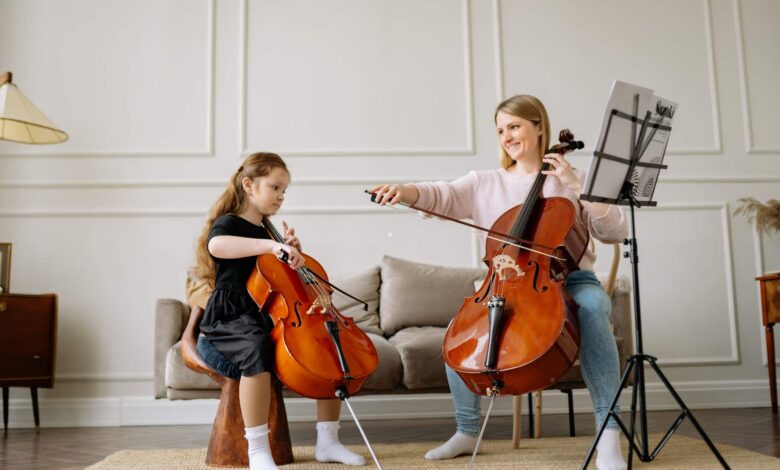
The Cello is one of the most expressive and emotionally powerful instruments in the world of music. Known for its rich, warm tone and deep resonance, the cello has captivated audiences for centuries. It belongs to the string family and plays a central role in orchestras, chamber ensembles, and solo performances. Because of its wide tonal range, the cello can produce both deep bass notes and lyrical melodies that closely resemble the human voice.
Musicians and composers often describe the cello as one of the most versatile instruments. Its ability to express both dramatic intensity and delicate beauty makes it a favorite among classical musicians and modern composers alike. From grand symphony halls to contemporary film soundtracks, the cello continues to be an essential part of musical storytelling.
Another fascinating aspect of the cello is its historical journey. The instrument evolved over centuries, gradually improving in design and sound quality. Today’s cello reflects the craftsmanship and musical innovation of generations of instrument makers and performers. Many famous musicians have contributed to the development of cello techniques and repertoire.
In this comprehensive guide, we will explore the history of the cello, its structure, how it is played, and why it remains one of the most beloved instruments in music. Whether you are a beginner, a music student, or simply a fan of beautiful melodies, understanding the cello offers a deeper appreciation for this remarkable instrument.
What Is a Cello?
The cello is a bowed string instrument that belongs to the violin family. Instruments in this family include the Violin, Viola, and Double Bass. Among these instruments, the cello sits between the viola and the double bass in terms of size and pitch range. It is typically played while seated, with the instrument resting on the floor supported by a metal spike called an endpin.
One of the most remarkable qualities of the cello is its sound. The instrument produces a deep, warm, and resonant tone that many listeners compare to the human voice. Because of this vocal quality, composers often use the cello to perform emotional melodies or dramatic passages within orchestral music.
In addition to classical music, the cello has found its place in many other genres. Modern musicians use the instrument in jazz, pop, film music, and even experimental sound projects. This adaptability has helped the cello maintain its relevance in contemporary music.
The cello’s unique character comes from its design and the way it is played. By drawing a bow across its strings or plucking them with fingers, musicians can create a wide variety of sounds and musical expressions.
The History of the Cello
The cello has a fascinating history that dates back to the 16th century in Europe. Early versions of the instrument developed from older string instruments known as viols. Over time, instrument makers refined the design to produce a stronger and more balanced sound.
During the Baroque period, the cello gained popularity as both a solo instrument and an accompaniment for orchestras. Composers began writing complex pieces specifically for the cello, highlighting its expressive capabilities. One of the most influential composers for the cello was Johann Sebastian Bach, whose famous cello suites remain essential works for performers today.
As music evolved during the Classical and Romantic periods, the cello continued to develop. Instrument makers improved the structure, materials, and string tension, allowing for greater volume and tonal depth. These innovations made the cello more suitable for large concert halls and orchestral performances.
In modern times, the cello has expanded beyond classical music. Contemporary artists experiment with electronic effects, innovative playing techniques, and cross-genre collaborations. Despite these modern influences, the instrument still preserves its classical roots and timeless sound.
Parts and Structure of a Cello
The cello’s structure plays a major role in shaping its distinctive sound. The instrument consists of several important components, each contributing to its performance and tonal quality. The main body of the cello is made from carefully crafted wood, usually spruce for the top and maple for the back and sides.
The neck and fingerboard allow the musician to press down on the strings to produce different notes. The bridge holds the strings above the body and transfers their vibrations into the instrument. When the bow moves across the strings, these vibrations resonate through the hollow body, creating the cello’s rich sound.
Another important part of the cello is the bow. The bow is typically made from wood and horsehair, which grips the strings when coated with rosin. The bow’s movement and pressure determine the tone, volume, and articulation of the notes being played.
Together, these parts work in harmony to produce the cello’s beautiful and powerful sound. The careful craftsmanship of instrument makers ensures that each cello is unique, with subtle variations in tone and resonance.
How to Play the Cello
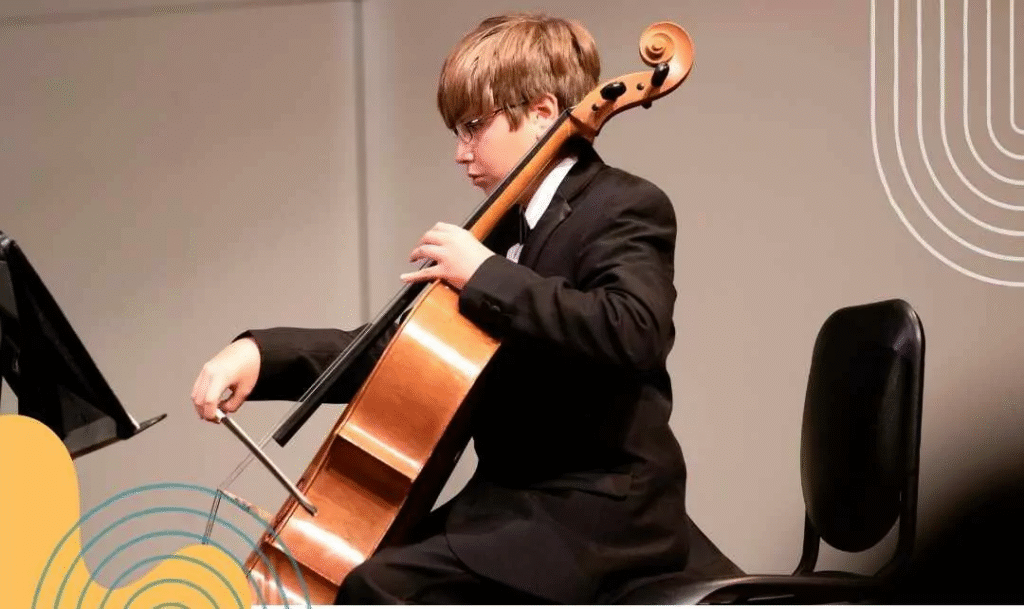
Playing the cello requires both technical skill and musical sensitivity. Musicians sit on a chair with the cello positioned between their knees, supported by the endpin resting on the floor. This posture allows the player to balance the instrument comfortably while maintaining control over the bow and fingerboard.
The left hand is responsible for pressing the strings against the fingerboard to change pitch. The right hand controls the bow, drawing it across the strings to produce sound. Achieving a clear tone requires precise bowing technique, including control of speed, pressure, and angle.
Beginners usually start by learning basic scales, simple melodies, and fundamental bowing exercises. These exercises help develop finger strength, coordination, and musical awareness. Over time, students gradually learn more advanced techniques such as vibrato, shifting positions, and complex bow strokes.
Consistent practice is essential for mastering the cello. Many professional musicians spend years refining their skills and studying advanced repertoire. However, even beginners can enjoy the rewarding experience of producing beautiful music on this instrument.
The Role of the Cello in Orchestras and Ensembles
In an orchestra, the cello plays a vital role in creating depth and harmony within the string section. The cello section typically performs the lower melodic lines and supports the harmony between higher instruments like violins and lower instruments like double basses.
Cellos are also widely used in chamber music ensembles. In a string quartet, the cello provides the foundation of the group’s sound while also performing expressive solo passages. This balance between melody and harmony makes the cello an essential component of ensemble performance.
Beyond classical settings, the cello has become increasingly popular in modern music. Film composers frequently use it to create emotional themes and dramatic soundscapes. Its powerful tone can convey sadness, suspense, or triumph, making it a favorite instrument for cinematic scores.
Because of its versatility, the cello continues to appear in diverse musical contexts. From orchestras and chamber groups to contemporary bands and solo performances, the instrument remains an important voice in the world of music.
Conclusion
The cello stands as one of the most beloved and expressive instruments ever created. Its rich tone, wide range, and emotional depth have made it a central part of musical history for centuries. From its origins in 16th-century Europe to its modern presence in film and popular music, the cello has continued to evolve while preserving its timeless beauty.
Through its design, playing techniques, and diverse musical roles, the cello offers endless possibilities for creativity and expression. Whether performed in grand concert halls or intimate settings, its sound continues to inspire musicians and audiences alike.
For anyone interested in music, learning about the cello provides valuable insight into the artistry and craftsmanship behind this remarkable instrument. Its legacy will undoubtedly continue to influence generations of musicians and composers in the years to come.
Frequently Asked Questions (FAQs)
What is a cello?
A cello is a bowed string instrument from the violin family known for its deep and warm sound.
How many strings does a cello have?
A standard cello has four strings tuned to C, G, D, and A.
Is the cello difficult to learn?
Learning the cello takes practice and patience, but beginners can start playing simple music relatively quickly.
What type of music can be played on the cello?
The cello is used in classical, film music, jazz, and many modern genres.
Who wrote famous music for the cello?
Composers like Johann Sebastian Bach wrote some of the most important cello pieces.
How big is a cello compared to other string instruments?
The cello is larger than the violin and viola but smaller than the double bass.
Can adults learn to play the cello?
Yes, many adults successfully learn the cello even without prior musical experience.
Why does the cello sound similar to the human voice?
Its tonal range and expressive capabilities closely match the natural pitch and emotional qualities of human singing.
You May Also Read: August Bank Holiday 2025