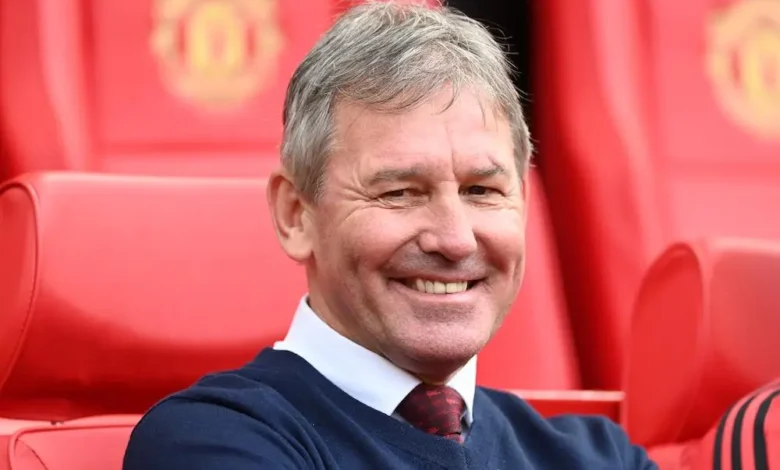
Bryan Robson, widely known as “Captain Marvel,” is regarded as one of the most influential figures in English football history. Renowned for his energy, leadership, and goal-scoring ability from midfield, Robson’s career spanned over two decades, leaving an indelible mark on both Manchester United and the England national team. His combination of skill, determination, and charisma made him a fan favorite and a respected leader on and off the pitch.
Robson’s prominence came not just from his individual talent but from his ability to elevate those around him. As captain of Manchester United and England, he inspired teammates with his work ethic and resilience, particularly in matches that demanded mental and physical toughness. Over the years, his career has been celebrated for both his personal achievements and his contribution to team success, establishing him as a benchmark for future generations of midfielders.
This article offers a comprehensive guide to Bryan Robson’s life, tracing his journey from his early years to his professional career, international success, managerial endeavors, and lasting legacy. From his playing style and leadership to his influence beyond football, this in-depth overview highlights why Robson remains a beloved figure in football culture worldwide. Whether you are a lifelong fan or new to his story, this guide provides insights into the career, life, and legacy of one of football’s most respected icons.
Early Life and Football Beginnings
Bryan Robson was born on January 11, 1957, in Chester-le-Street, County Durham, England, a town with a strong footballing culture. Growing up in a working-class family, Robson developed a passion for football from a young age, often playing in local fields and school competitions. His early exposure to competitive football instilled in him the values of hard work, discipline, and perseverance that would define his career.
Robson’s youth career began at local clubs where his talent quickly stood out. Coaches noted his exceptional stamina, vision, and goal-scoring ability from midfield—qualities rare for a player of his age. His dedication to improvement, coupled with natural leadership skills, allowed him to progress rapidly through youth systems, earning opportunities to train with professional teams.
Before turning professional, Robson faced the typical challenges of young players, including intense competition and the physical demands of football. His resilience and determination helped him overcome setbacks and continue to excel, catching the attention of scouts from top-tier clubs. This foundation laid the groundwork for a career that would see him rise to prominence both domestically and internationally.
Manchester United Career
Bryan Robson joined Manchester United in 1981 from West Bromwich Albion, quickly establishing himself as a cornerstone of the team. Known for his dynamic midfield presence, he became a key figure in both attacking and defensive plays. Robson’s ability to score crucial goals and drive the team forward made him an indispensable player and a natural candidate for captaincy.
During his tenure at Manchester United, Robson achieved numerous milestones. He helped lead the club through a transformative period, contributing to trophy wins such as the FA Cup in 1983 and 1985 and the league title in 1990. Despite suffering multiple injuries that could have hampered lesser players, his determination and resilience allowed him to return stronger, often inspiring teammates with his unwavering commitment.
Robson’s leadership was characterized by leading by example. He was not only vocal on the pitch but also demonstrated extraordinary work rate, setting standards for professionalism and dedication. As captain, he became synonymous with Manchester United’s fighting spirit, guiding younger players and playing a critical role in the club’s resurgence in English football during the 1980s and early 1990s.
England National Team Career
Robson’s influence extended beyond club football to the international stage, where he earned 90 caps for the England national team and scored 26 goals. Making his debut in 1980, Robson became a central figure in the squad through multiple World Cups and European Championships. His leadership qualities earned him the captain’s armband, a role in which he motivated and guided England through challenging tournaments.
One of Robson’s most notable contributions was his performance in the 1982, 1986, and 1990 FIFA World Cups. He consistently showcased stamina, tactical awareness, and the ability to score decisive goals. His work rate in midfield allowed England to maintain control during critical matches, and his courage and determination earned the respect of teammates and opponents alike.
Robson’s international career was marked by a blend of individual brilliance and team-oriented play. He combined defensive responsibility with attacking initiative, making him one of the most versatile midfielders in English football history. Despite facing injuries and tough competition, Robson’s leadership and resilience solidified his reputation as a cornerstone of the national team during the 1980s and early 1990s.
Playing Style and Skills

Bryan Robson was known for his all-action midfield style, blending defensive solidity with attacking prowess. He excelled in ball-winning, tackling, and distributing passes to create offensive opportunities. His stamina and strength allowed him to dominate the midfield, covering extensive ground during matches and maintaining high performance throughout the game.
Goal-scoring was another hallmark of Robson’s game. Unlike many midfielders, he had a keen eye for goal, often arriving late into the box to convert opportunities. His technique, timing, and composure made him a threat from long-range shots, free kicks, and set-pieces, contributing to his impressive goal tally for both club and country.
Leadership was an integral part of his style. Robson’s determination and willingness to confront challenges inspired his teammates, instilling confidence and resilience within the squad. His mental toughness allowed him to perform under pressure, making him an essential figure during critical matches for both Manchester United and England.
Managerial and Coaching Career
After retiring from professional play, Robson transitioned into management, taking roles at clubs such as Bradford City, Birmingham City, West Bromwich Albion, and Middlesbrough. His managerial career reflected his understanding of the game, emphasizing organization, discipline, and teamwork.
While he did not replicate his on-field playing success as a manager, Robson demonstrated tactical knowledge and the ability to mentor younger players. His leadership skills remained evident, as he navigated challenging situations, including relegation battles and team rebuilding projects. Management provided him an opportunity to continue influencing the sport and passing on his experience to the next generation.
Personal Life and Off-Pitch Activities
Bryan Robson’s personal life has been relatively private, though he is known for his strong family values. He married and raised a family while maintaining involvement in football through punditry and media appearances. Beyond football, Robson has contributed to charitable causes and engaged in community outreach, reflecting his commitment to giving back.
Off the pitch, he enjoys a range of interests and hobbies typical for a retired professional athlete. Robson’s public persona combines humility with professionalism, reinforcing his reputation as a respected figure both on and off the field.
Legacy and Impact
Robson’s legacy is defined by his leadership, resilience, and technical ability. He remains a symbol of determination and professionalism, influencing subsequent generations of midfielders in England and worldwide. Fans and media alike remember him as a player who combined skill, courage, and heart in every match.
Honors and recognition throughout his career—including captaincy roles, team achievements, and individual awards—cement his place in football history. Beyond statistics, Robson’s impact lies in his ability to inspire teammates, fans, and young players, making him an enduring figure in football culture.
Conclusion
Bryan Robson’s career is a testament to leadership, skill, and perseverance. From his early days in County Durham to captaining Manchester United and England, he exemplified what it means to be a complete midfielder. Beyond trophies and goals, his legacy lies in the inspiration he provided to teammates, fans, and future footballers.
Robson’s story reflects the importance of resilience, work ethic, and commitment, making him a benchmark for excellence in English football. Even decades after his playing career, Bryan Robson remains a celebrated figure, remembered as one of the finest midfielders in the history of the sport.
Frequently Asked Questions (FAQs)
Who is Bryan Robson?
Bryan Robson is a retired English footballer known for his leadership, stamina, and goal-scoring midfield play.
What clubs did Bryan Robson play for?
He played for West Bromwich Albion and Manchester United, with Manchester United being his most iconic tenure.
How many goals did Bryan Robson score for Manchester United?
Robson scored over 100 goals for Manchester United across all competitions.
How many times did Bryan Robson captain England?
He captained England multiple times during the 1980s and early 1990s, including in World Cups.
What awards and honors did Bryan Robson receive?
He received multiple individual accolades, FA Cup victories, league titles, and was honored for his leadership and influence.
Did Bryan Robson have a managerial career?
Yes, he managed several clubs including Middlesbrough, West Bromwich Albion, and Birmingham City.
What is Bryan Robson doing after retirement?
Robson has been involved in punditry, charity work, and continues to influence football through public appearances and mentorship.
You May Also Read: Linzi Shoes