Louis Klee is an Australian writer, philosopher and academic whose work spans English literature, philosophy, aesthetics and the study of the novel. He is based at the University of Cambridge and is a fellow of Trinity Hall, where his academic responsibilities include work in English. His career also extends beyond university research: Klee has written poetry and essays and has received recognition for both creative and scholarly work. These different areas provide a clearer picture of him than describing him simply as either a literary scholar or philosopher.
Interest in Klee has grown alongside his academic publications and literary achievements. His 2025 book, The Constellational Novel, is an important part of his recent scholarly work and received the University English Book Prize in the same year. His earlier creative writing includes the poem “Sentence to Lilacs,” which shared the Peter Porter Poetry Prize in 2017. Together with his teaching and research at Cambridge, these works show a career that moves between literary criticism, philosophical questions and creative writing without reducing those fields to a single type of work.
Who Is Louis Klee?
Louis Klee is an Australian-born writer and academic working at the University of Cambridge. His professional interests bring together subjects that are often studied separately, particularly English literature and philosophy. Current academic profiles connect his research with philosophy, aesthetics, literature and theories of the novel. Rather than approaching literature only through creative writing or criticism, his scholarly work considers the novel as a form worthy of sustained theoretical and philosophical study. This interdisciplinary focus has become one of the most identifiable features of his academic profile.
Klee is also active as a creative writer. He has been described as a writer, essayist and poet, and his poetry has received recognition in Australia. This part of his career is important because it shows that his relationship with literature extends beyond university teaching and academic criticism. Readers may therefore encounter his name in several different contexts, including Cambridge academic pages, literary publications, poetry prizes and discussions of contemporary fiction. His recent book has added another significant dimension to that profile by bringing greater attention to his scholarship on the novel.
Education and Academic Career
Klee was born and educated in Australia, and his academic background began at the Australian National University. According to his University of Cambridge profile, his first degree was a Bachelor of Philosophy in philosophy at ANU. He later completed doctoral study at Cambridge, establishing a connection with the university that continued through subsequent research and teaching positions. This educational path is worth stating accurately because older or simplified profiles can present different stages of his Cambridge career without making the chronology clear.
His professional record includes earlier Cambridge appointments as well as his current association with Trinity Hall. Some older biographical material identifies him as a Junior Research Fellow at Clare College, while newer Cambridge information places him at Trinity Hall. This difference reflects stages in an academic career rather than two descriptions that should be treated as simultaneously current. For readers looking for information about Louis Klee today, his more recent University of Cambridge and Trinity Hall profiles provide the most relevant picture of his present academic work and institutional affiliation.
Louis Klee at Cambridge and Trinity Hall
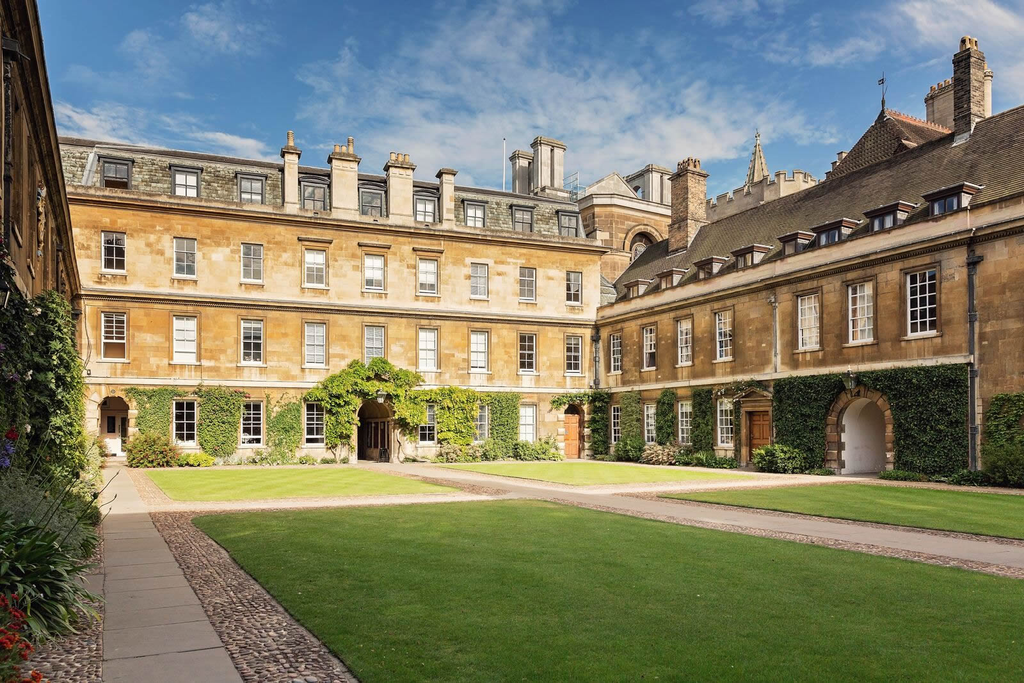
Klee currently works within the University of Cambridge academic community and is a fellow of Trinity Hall. The University’s Faculty of English identifies him as an assistant professor, while Trinity Hall lists his work across English and philosophy. His College responsibilities include serving as a College Assistant Professor and Director of Studies in English. These roles place him within both teaching and academic research, while his interests connect literary study with philosophical approaches to art, interpretation and the novel.
His association with English and philosophy is particularly relevant when considering his published research. Rather than being a general description added to his biography, these disciplines correspond directly with the subjects represented in his scholarly profile. Literature and theories of the novel form a major part of his research, while philosophy and aesthetics provide another dimension to his academic interests. His Cambridge career therefore offers useful context for understanding why his published work frequently sits at the meeting point between literary criticism and philosophical investigation.
Research Interests and Scholarly Work
Louis Klee’s stated research interests include literature, philosophy, aesthetics and theories of the novel. The combination places his scholarship within an area where questions about literary form can be examined alongside philosophical concerns. His interest in the novel is particularly important because it leads beyond the interpretation of individual books toward larger questions about how novels are structured, how different elements relate within a narrative and how literary form can participate in discussions that also matter to philosophy.
These interests are most useful when considered through Klee’s actual scholarly output rather than through broad assumptions about his intellectual beliefs. His work on contemporary fiction provides a concrete example of how literary theory can intersect with questions of ethics and aesthetics. This approach also helps explain the relevance of his scholarship to students and researchers working across disciplinary boundaries. Instead of placing his work entirely within philosophy or English literature, it is more accurate to understand his research as developing through questions shared by both areas.
The Constellational Novel
The Constellational Novel, published in 2025, is one of the central works in Louis Klee’s academic profile. The book examines the contemporary novel and its relationship with ethical questions, placing literary form at the centre of the discussion. Its subject closely reflects Klee’s broader research interests in theories of the novel, literature and philosophy. For readers primarily interested in his academic writing, the book provides a substantial point of entry into the type of literary and theoretical questions that have shaped his recent research.
The book received further recognition when Klee won the 2025 University English Book Prize for The Constellational Novel. This award is significant because it provides documented recognition of his scholarship within the field of English studies. It also marks a more recent stage of his career than some of the poetry prizes and earlier academic positions found in older profiles. As a result, The Constellational Novel is particularly relevant to anyone looking for current information about Louis Klee and the direction of his published academic work.
Poetry and Literary Writing
Academic research represents only one part of Klee’s involvement with literature. He is also a poet and essayist, with creative work connected to Australian literary publications and awards. One of the clearest examples is his poem “Sentence to Lilacs,” which co-won the Peter Porter Poetry Prize in 2017. The award provides a specific record of recognition for his poetry and helps distinguish his creative writing from his later scholarly achievements in literary criticism and theories of the novel.
Klee’s involvement in both creative and academic writing gives his bibliography a wider range than that of a scholar working exclusively through criticism. However, his poems and academic publications are best considered on their own terms rather than assuming that every creative work illustrates his philosophical research. What can be established is that writing has remained important across different stages of his career. Poetry, essays, academic research and book-length scholarship represent distinct parts of a body of work developed across literary and university settings.
Awards and Recognition
Klee’s documented recognition extends across both creative and scholarly writing. His poetry has been associated with the Peter Porter Poetry Prize, while biographical information also records his receipt of the A. D. Hope Prize from the Association for the Study of Australian Literature. These awards are useful when tracing the development of his writing because they show recognition connected with his Australian literary background before the publication of the academic book that has become prominent in his more recent career.
His 2025 University English Book Prize represents a different form of recognition, focusing on scholarship rather than poetry. Taken together, these achievements show that Klee’s work has been acknowledged in more than one literary context. They should not be used to make predictions about his future influence or to describe him with unsupported superlatives. Their value is simpler and more informative: they provide verifiable milestones through which readers can understand how his creative writing and academic research have received attention at different stages of his career.
Louis Klee’s Work Across Literature and Philosophy
The connection between literature and philosophy in Klee’s career can be seen in his institutional roles and stated research interests. English and philosophy both appear in his Cambridge academic profile, while aesthetics and theories of the novel are among the areas associated with his research. This makes the relationship between the two disciplines more than a convenient description of his work. It reflects the subjects he teaches and studies, as well as the intellectual territory explored through his scholarship on literary form and contemporary fiction.
His career nevertheless includes several kinds of writing that should remain distinct. A scholarly book about the novel serves a different purpose from a poem, just as teaching English at Cambridge involves responsibilities different from producing literary criticism. Looking at these areas together is useful because they show the range of Klee’s work, but combining them into a single philosophical “vision” would go beyond what the available evidence supports. A more accurate understanding comes from examining how writing, research, teaching and philosophy each contribute to his professional profile.
Conclusion
Louis Klee’s career brings together academic research, philosophy, literature, and creative writing. From his education in Australia to his work at the University of Cambridge and Trinity Hall, he has developed interests spanning aesthetics, theories of the novel, and literary studies. His poetry, including the award-recognized “Sentence to Lilacs,” adds another dimension to his work as a writer, while The Constellational Novel represents an important part of his recent scholarship.
His 2025 University English Book Prize recognition further highlights the development of his academic work. Rather than defining Klee through broad claims about influence or legacy, his published writing, research interests, Cambridge responsibilities, and documented awards provide a clearer picture of his career. For readers interested in contemporary literature and its connections with philosophy, Louis Klee offers a useful example of a scholar and writer working across both creative and academic fields.
Frequently Asked Questions
Who is Louis Klee? Louis Klee is an Australian writer, philosopher and academic associated with the University of Cambridge and Trinity Hall.
Where does Louis Klee teach? He teaches at the University of Cambridge and is a fellow of Trinity Hall.
What is Louis Klee known for? He is known for his work across literature, philosophy, aesthetics, poetry and theories of the novel.
What is The Constellational Novel? The Constellational Novel is Louis Klee’s 2025 scholarly book examining the contemporary novel and ethical questions.
Is Louis Klee a poet? Yes. He is also a poet and essayist, and his poem “Sentence to Lilacs” co-won the Peter Porter Poetry Prize in 2017.
You May Also Read: Cambridge Recruitment Fair