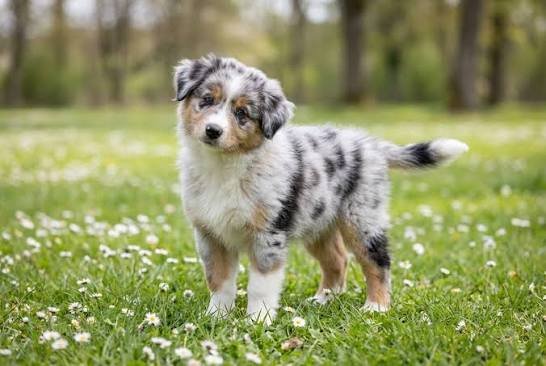
The Australian Shepherd is an energetic, intelligent and striking herding dog known for its loyalty, athletic ability and eagerness to work. Often called an Aussie, this medium-sized breed has become popular with active families, farmers and dog-sport enthusiasts. Despite its name, the breed was largely developed in the United States, where it became closely associated with ranch work, livestock management and the demanding outdoor lifestyle of the American West.
An Australian Shepherd is rarely happiest when left without purpose for long periods. These dogs enjoy learning, exercising and staying involved in family activities, making them particularly suitable for owners who appreciate an active lifestyle. Their attractive coats and expressive eyes often attract attention, but appearance should never be the only reason for choosing the breed. Understanding its temperament, exercise needs, grooming requirements and potential health concerns is essential before bringing one home.
Australian Shepherd History and Breed Origins
The exact ancestry of the Australian Shepherd is complex, but the breed became established in the western United States during the nineteenth and early twentieth centuries. Shepherds needed intelligent, agile dogs capable of controlling livestock across large ranches and challenging landscapes. Dogs brought by travelling shepherds were gradually selected for stamina, responsiveness and working ability, eventually helping to shape the breed recognised today. Its name may have developed through associations with sheep and shepherds arriving via Australia.
As ranching expanded, the Aussie earned admiration for its ability to anticipate livestock movements and respond quickly to handlers. Its reputation later spread beyond farms through rodeos, horse shows and competitive dog sports. Today, the Australian Shepherd remains capable of traditional herding work but is also successful in obedience, agility, search activities and other canine sports. This working heritage explains why modern Aussies typically require considerably more physical and mental engagement than many companion breeds.
Australian Shepherd Size, Appearance and Coat Colours
An Australian Shepherd is a medium-sized dog with an athletic, well-balanced body designed for endurance rather than excessive bulk. Adult males generally stand around 51 to 58 centimetres at the shoulder, while females are usually approximately 46 to 53 centimetres tall. Healthy adult weight varies according to sex, build and genetics, but these dogs should appear strong and agile. Maintaining an appropriate body condition is important because unnecessary weight can place additional strain on joints.
One of the breed’s most recognisable features is its beautiful double coat, which may appear in blue merle, red merle, black or red, often with white or tan markings. Eye colour can include brown, amber or blue, while some dogs have differently coloured eyes. The Australian Shepherd may also have a naturally short tail, although tail appearance varies. Its expressive face, alert posture and richly coloured coat create the distinctive appearance that has made the breed internationally recognisable.
Australian Shepherd Temperament and Personality
The Australian Shepherd temperament is usually defined by intelligence, loyalty, energy and strong awareness of its surroundings. Many Aussies form particularly close relationships with their owners and prefer participating in household activities rather than remaining alone. Their natural attentiveness can make them effective watchdogs, although proper socialisation is necessary to prevent excessive suspicion. When raised responsibly, they are often affectionate companions that enjoy learning routines, solving problems and working closely with people they trust.
Strong herding instincts can influence everyday behaviour, especially in young or insufficiently trained dogs. Some may attempt to chase, circle or gently nip at moving children, animals or even adults because these actions resemble livestock management. Early training helps redirect such instincts into appropriate activities. An Australian Shepherd can live successfully with children and other pets, but controlled introductions, consistent boundaries and supervision are important. Boredom may lead to barking, chewing or other unwanted behaviour.
Australian Shepherd Training and Exercise Requirements
Training an Australian Shepherd is often highly rewarding because the breed learns rapidly and usually responds enthusiastically to structured activities. Positive reinforcement using praise, toys, play and suitable treats can encourage reliable behaviour without damaging trust. Puppy training should cover socialisation, recall, lead manners, calm greetings and impulse control. Because Aussies notice patterns quickly, owners should remain consistent with commands and household expectations. Varied training sessions are usually more effective than repetitive exercises that become predictable.
Physical exercise is equally important, but simply allowing an Aussie into a garden is rarely sufficient. Healthy adult dogs often enjoy brisk walks, running, hiking, agility, obedience exercises and interactive games. Mental stimulation should accompany physical activity through scent work, puzzle toys and problem-solving tasks. The Australian Shepherd was developed to work for extended periods, so an inactive lifestyle can create frustration. Exercise should always be adjusted according to age, fitness, weather conditions and individual health.
Australian Shepherd Grooming, Diet and Health
The Australian Shepherd has a double coat that sheds throughout the year and may shed more heavily during seasonal changes. Regular brushing helps remove loose hair, prevent tangles and maintain healthy skin. Owners should also check ears, trim nails when required and maintain good dental hygiene. Bathing is useful when the coat becomes dirty, but unnecessary frequent washing can remove natural oils. During heavier shedding periods, more frequent brushing can make coat management considerably easier around the home.
A balanced diet should match the dog’s age, body condition and activity level. Highly active dogs may require different energy intake from less active companions, while puppies and older dogs have their own nutritional requirements. Common health concerns associated with the breed can include hip dysplasia, hereditary eye disorders, epilepsy and MDR1-related medication sensitivity. Responsible breeders use appropriate health testing, while owners should maintain routine veterinary examinations, parasite prevention, vaccinations, dental care and healthy weight management throughout the dog’s life.
Is an Australian Shepherd Right for Your Family?

An Australian Shepherd can be an outstanding companion for people who genuinely enjoy training, outdoor activities and regular interaction with their dog. The breed’s intelligence means it can learn impressive skills, but that same intelligence can become challenging when owners provide insufficient stimulation. Aussies often suit active households better than people seeking a relaxed, low-maintenance pet. They may adapt to smaller homes when their exercise requirements are consistently met, although lifestyle matters more than property size alone.
Prospective owners should consider their available time before choosing this breed. Daily exercise, training, grooming and social interaction require commitment for many years. Families should also consider whether they can manage herding behaviour and energetic play around younger children. When its needs are properly understood, the Australian Shepherd can become affectionate, entertaining and deeply loyal. Choosing a responsible breeder or reputable rescue organisation can also help prospective owners find a dog suited to their circumstances and experience.
Australian Shepherd Lifespan and Long-Term Care
The Australian Shepherd typically has a lifespan of approximately 12 to 15 years, although individual longevity depends on genetics, healthcare, nutrition and lifestyle. Preventative veterinary care can identify developing problems before they become more difficult to manage. Owners should monitor mobility, eyesight, weight and behavioural changes as their dog grows older. Continuing suitable exercise into the senior years helps preserve muscle strength, but activity should be modified according to comfort, medical advice and changing physical ability.
Long-term care should also include emotional wellbeing because Aussies thrive on companionship and involvement. Older dogs may exercise less intensely, yet they can still benefit from gentle training, scent games and social interaction. Maintaining a predictable routine can help senior dogs feel secure. An Australian Shepherd that receives appropriate nutrition, veterinary care, exercise and mental stimulation throughout life has the best opportunity to remain healthy, comfortable and connected with its family well into its later years.
Conclusion
The Australian Shepherd combines intelligence, beauty, athleticism and loyalty in one remarkable working breed. Its colourful coat may attract attention first, but its energetic personality and powerful desire to remain active define everyday ownership. These dogs often excel when given structured exercise, positive training and mentally challenging activities. For owners who enjoy spending time outdoors and involving their dog in daily life, the Aussie can become an exceptionally responsive and affectionate companion.
However, responsible ownership means recognising that this is not a naturally low-energy breed. Regular grooming, health monitoring, socialisation and meaningful activity should remain priorities throughout the dog’s life. Prospective owners should carefully evaluate their schedule and experience before making a commitment. With appropriate care and consistent guidance, the Australian Shepherd can develop into a confident, devoted and highly capable family member whose intelligence and personality make every day more interesting.
FAQs
Are Australian Shepherds good family dogs?
Yes. They can make excellent family companions when properly socialised and trained. Their energy and herding instincts mean supervision is sensible around very young children.
How much exercise does an Australian Shepherd need?
Healthy adults generally need substantial daily physical exercise combined with mental stimulation. Walks, training, hiking, agility and interactive games can help meet their natural working needs.
Do Australian Shepherds shed a lot?
Yes. Their double coat sheds throughout the year, with heavier periods seasonally. Regular brushing can remove loose hair, reduce tangles and make shedding easier to manage.
How long do Australian Shepherds live?
They commonly live around 12 to 15 years. Genetics, nutrition, preventative veterinary care, healthy weight and appropriate exercise can all influence individual longevity.
Are Australian Shepherds easy to train?
They are generally very trainable because they are intelligent and attentive. Positive reinforcement, consistency, early socialisation and varied activities usually produce the most successful results.
You May Also Read: Comedians