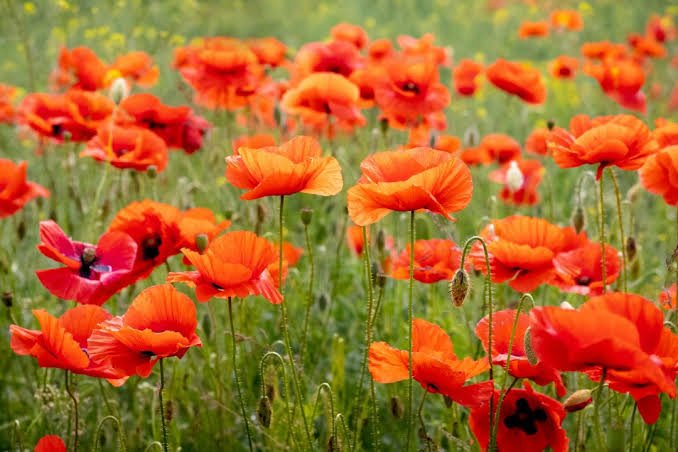
The poppy flower is one of the most recognisable flowers found across the world, admired for its delicate petals, bright colours and fascinating history. These beautiful flowering plants belong to the Papaveraceae family and are commonly seen in gardens, wildflower meadows and countryside landscapes. In the UK, poppies hold a special place because of their connection with remembrance, making them both a natural treasure and a meaningful cultural symbol.
Beyond their appearance, the poppy flower represents many ideas, including peace, hope, comfort and memory. Different varieties offer unique colours, shapes and growing habits, allowing gardeners and nature lovers to enjoy them in many settings. From the famous red field poppy to decorative garden varieties, poppies continue to attract attention because of their beauty, simplicity and important role in history.
Poppy Flower Meaning and Symbolism
The meaning of the poppy flower has developed over centuries and differs between cultures. In the United Kingdom, the red poppy is strongly recognised as a symbol of remembrance. It is commonly worn around Remembrance Day to honour members of the armed forces who sacrificed their lives during conflicts. This connection began after the First World War, when poppies were seen growing on battlefields and became linked with memory and respect.
However, poppy symbolism goes beyond remembrance. Many people associate these flowers with peace, sleep, consolation, renewal and hope. Their short flowering period is often viewed as a reminder of the beauty and fragility of life. Different colours can also represent different emotions, with white poppies often linked to peace and pink varieties associated with admiration and beauty.
History and Origin of the Poppy Flower
Poppies have a long and interesting history that stretches back thousands of years. These flowering plants have been mentioned in ancient cultures and have appeared in traditional artwork, literature and historical records. Their attractive appearance and unique characteristics have made them popular among different societies throughout history.
The red poppy gained worldwide recognition because of its connection with the First World War. After the conflict, the sight of poppies growing on the battlefields of Flanders inspired people to use them as a symbol of remembrance. Today, the poppy flower continues to represent respect, honour and the importance of remembering historical events.
Different species of poppies have developed naturally in various parts of the world, from European countryside areas to Asian mountain regions. Their ability to adapt to different environments has helped them become one of the most familiar flowering plants globally.
Types of Poppy Flowers and Popular Varieties
There are many types of poppy flowers, each with different colours, sizes and growing requirements. The common poppy, also known as Papaver rhoeas, is one of the most famous varieties. It produces bright red flowers and is often found growing naturally in fields, grasslands and roadside areas across the UK.
The Oriental poppy is another popular choice for gardens because of its large, colourful blooms and attractive appearance. These perennial plants can return every year when grown in suitable conditions. California poppies are also widely loved because of their golden orange flowers and ability to grow easily in sunny locations.
The Himalayan blue poppy is known for its unusual blue flowers and is considered a special variety among gardening enthusiasts. Each type of poppy flower offers something different, making it possible for gardeners to choose varieties that match their garden style and climate conditions.
Poppy Flower Colours and Their Symbolic Meanings
Poppy flowers are available in several beautiful colours, with each shade creating a different visual impact and symbolic meaning. The red poppy remains the most recognised variety, particularly in the UK, where it represents remembrance, respect and sacrifice. Its bright colour makes it stand out in fields and gardens.
White poppies are often connected with peace and a desire for harmony. They are sometimes used to represent non-violence and peaceful solutions. Pink poppies are associated with beauty, imagination and gentle emotions, while orange poppies bring a feeling of energy and warmth to outdoor spaces.
Gardeners often mix different poppy colours to create attractive flower displays. The variety of shades allows these plants to work well in cottage gardens, wildflower areas and decorative borders. Their colourful petals make them valuable additions to both natural and designed landscapes.
How to Grow and Care for Poppy Flowers in the UK
Growing poppy flowers in the UK is usually straightforward because many varieties are hardy and require little maintenance. They grow best in areas with plenty of sunlight and well-drained soil. Poppies generally prefer open spaces where they can receive enough light and airflow, helping them produce healthy blooms.
Poppy seeds are usually planted directly into the ground because young plants can be sensitive when moved. Many gardeners sow seeds in spring or autumn, depending on the variety and local weather conditions. Once established, most poppies need only occasional watering, especially during dry periods.
Removing old flowers can encourage some varieties to continue producing blooms and prevents unwanted spreading. Although poppies are easy to care for, choosing the right location and soil type will help plants grow stronger and produce more attractive flowers.
Poppy Flower Habitat and Natural Growth
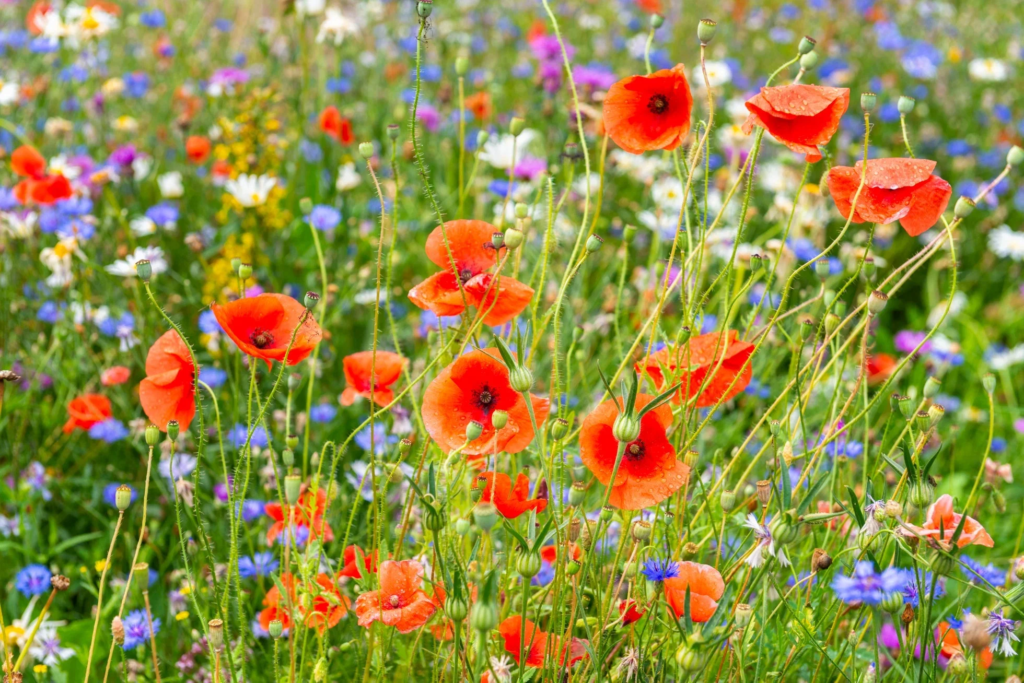
Poppies naturally grow in many different environments, including meadows, grasslands, farmland and open countryside. Their ability to grow in disturbed soil has allowed them to spread successfully in many regions. Wild poppies are often seen in fields where their bright flowers create beautiful seasonal displays.
The poppy flower also plays an important role in supporting biodiversity. Its flowers attract bees and other pollinating insects, making them valuable plants for wildlife-friendly gardens. Adding poppies alongside other native flowers can help create a healthier environment for local species.
Many gardeners now choose wildflower planting because it provides natural habitats while creating attractive outdoor spaces. Poppies fit perfectly into these designs because they offer colour, support wildlife and require minimal care.
Interesting Facts About the Poppy Flower
The poppy flower has many interesting features that make it unique among flowering plants. Its delicate petals are often described as paper-like because they are thin and fragile. Despite their delicate appearance, many poppy species are surprisingly strong and can grow successfully in challenging environments.
Poppy plants can produce a large number of tiny seeds, allowing them to spread naturally. Some varieties complete their life cycle within one year, while others return annually as perennial plants. This difference makes poppies suitable for various types of gardens.
Another fascinating fact is that poppies have inspired artists, writers and photographers for generations. Their striking colours and historical connections have made them one of the most photographed and recognised flowers in the world.
Uses and Importance of Poppy Flowers
Poppies are mainly valued for their beauty, cultural importance and role in gardens. They are commonly planted in flower borders, cottage gardens and wildflower areas because they create attractive displays with minimal effort. Their colourful blooms can transform outdoor spaces and provide seasonal interest.
The poppy flower also holds significant cultural importance, especially in the UK. The red poppy remains a powerful symbol of remembrance and is used during important national events. It represents respect and gratitude towards those who made sacrifices during times of conflict.
Some poppy species have historical uses, but different varieties have different characteristics and regulations. Gardeners should always understand the specific type they are growing and follow local guidelines when necessary.
Conclusion
The poppy flower is a remarkable plant that combines natural beauty with deep historical meaning. From colourful garden varieties to famous remembrance traditions, poppies continue to hold a special place in people’s lives. Their delicate petals, fascinating history and simple growing requirements make them popular among gardeners and nature enthusiasts.
Whether enjoyed in a wild meadow, a home garden or as a symbol of remembrance, poppies represent much more than a beautiful bloom. They remind us of nature’s beauty, the importance of memory and the lasting connection between flowers and human emotions. The timeless appeal of the poppy flower ensures it will continue inspiring people for generations.
Frequently Asked Questions
What does a poppy flower symbolise?
A poppy flower symbolises remembrance, peace, hope, comfort and beauty. In the UK, the red poppy is especially connected with honouring those who lost their lives in war.
Are poppy flowers easy to grow in the UK?
Yes, most poppy varieties are easy to grow in UK gardens. They need sunlight, suitable soil and basic care to produce beautiful flowers.
When do poppy flowers bloom?
Most poppy flowers bloom during late spring and early summer, although flowering times depend on the variety and weather conditions.
What are the most popular poppy flower varieties?
Popular varieties include common poppies, Oriental poppies, California poppies and Himalayan blue poppies.
Can poppies grow from seeds?
Yes, poppies are commonly grown from seeds. They are usually planted directly into soil because young seedlings may not transplant easily.
You May Also Read: Nonchalant Meaning