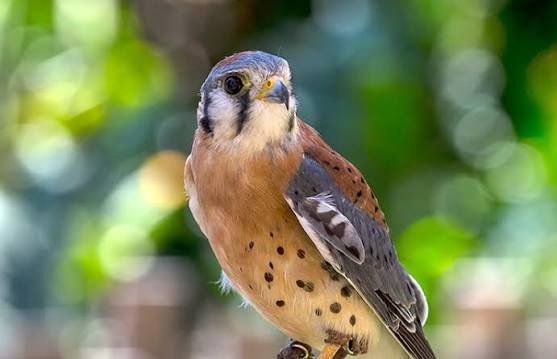
The kestrel is one of the most recognisable birds of prey in the UK and is admired for its graceful flight, sharp hunting skills and ability to survive in different environments. Known as a small falcon, the kestrel is famous for hovering in one place while searching for prey on the ground below. This unique behaviour makes it easy to identify when exploring countryside areas, farmland and open landscapes. The common kestrel, also called Falco tinnunculus, is widely distributed across Europe, Asia and Africa.
For many wildlife enthusiasts, spotting a kestrel flying above fields is an unforgettable experience. Unlike larger birds of prey that rely on powerful soaring movements, the kestrel uses careful control and precision to locate food. Its excellent eyesight, lightweight body and quick reactions allow it to become an effective hunter. Learning about kestrel features, lifestyle and habitat provides a better understanding of why this small falcon remains an important part of natural ecosystems.
Kestrel Bird Appearance and Identification Features
The kestrel has a distinctive appearance that separates it from many other birds of prey. It has a slim body, pointed wings and a long tail that helps it balance during flight. An adult kestrel usually measures between 33 and 39 centimetres in length, with a wingspan of around 70 to 80 centimetres. Although it is smaller than many other falcons, its hunting abilities and vision make it a highly successful predator.
Male and female kestrels have noticeable differences in their colouring. The male usually has a blue-grey head and tail, a chestnut-brown back with black spots and a dark band near the end of its tail. Female kestrels are generally larger and have brown feathers with darker stripes across their back and tail. These differences help birdwatchers recognise the sex and age of individual birds when observing them in the wild.
One of the easiest ways to identify a kestrel is by watching its famous hovering technique. The bird often appears to remain still in the sky, facing into the wind while moving its wings quickly. This behaviour allows the kestrel to scan the ground for movement and locate possible prey before making a fast dive.
Kestrel Habitat and Where They Live
Kestrels are highly adaptable birds that can live in a wide variety of habitats. They prefer open areas where they have a clear view of the ground and enough space to hunt. Common habitats include farmland, grasslands, heathlands, coastal areas, woodland edges and even urban environments. Their ability to adjust to different surroundings has helped them become one of the most widespread falcon species.
In the UK, kestrels are commonly seen across countryside areas, especially where there are large fields and roadside grasslands. They often sit on fence posts, trees, telephone poles and buildings while searching for food. These elevated positions provide a better view of their surroundings and help them conserve energy while waiting for the right moment to hunt.
However, changes in land management and habitat loss have created challenges for kestrel populations. Reduced numbers of small mammals, fewer nesting locations and changes in farming practices can affect their survival. Protecting open spaces and maintaining healthy ecosystems are important steps in supporting kestrels and other birds of prey.
Kestrel Diet and Hunting Techniques
The kestrel is a skilled hunter with a diet mainly made up of small mammals. Field voles and mice are among its favourite prey, but it can also eat insects, worms, frogs and small birds when necessary. Its flexible diet helps it survive in different environments where food availability changes throughout the year.
The hunting style of a kestrel is one of its most impressive features. The bird uses its exceptional eyesight to search for movement while flying or hovering above the ground. Research suggests that kestrels can detect ultraviolet light, which may help them identify signs left by small mammals. This ability gives them an advantage when searching for prey hidden among grass and vegetation.
Once a kestrel spots a potential meal, it quickly folds its wings and dives towards the target. Its sharp claws are designed to capture and hold prey securely. This combination of powerful vision, accurate flying and fast reactions makes the kestrel an efficient and successful hunter.
Kestrel Behaviour and Lifestyle
Kestrels are active birds that spend much of their time searching for food and protecting their territory. They are usually seen alone or in pairs rather than large groups. Each bird chooses a suitable hunting area where it can find enough food and safe places to rest. Their behaviour changes throughout the year depending on breeding seasons and food availability.
The flight skills of a kestrel are among its most impressive characteristics. It can hover, glide and change direction quickly while chasing prey. When defending its territory, a kestrel may perform special flight displays to warn other birds. These movements show strength and help maintain control over important feeding areas.
Kestrels also communicate using different calls and body movements. During breeding periods, adults use sounds to communicate with their partners and young chicks. These behaviours help strengthen family bonds and improve the chances of survival for the next generation.
Kestrel Nesting, Breeding and Life Cycle
Kestrels begin breeding during spring when food supplies are usually more available. Unlike many birds that build traditional nests, kestrels often use existing spaces such as tree holes, cliff edges, old buildings and nest boxes. They choose locations that provide protection from predators and harsh weather conditions.
The female kestrel usually lays several eggs and remains responsible for much of the incubation. The male provides food during this period, bringing prey back to the nesting site. After the chicks hatch, both parents help feed and protect them until they become strong enough to fly and hunt independently.
Young kestrels spend several weeks learning essential survival skills. They practise flying, improve their hunting abilities and gradually become independent. A successful breeding season depends on many factors, including food availability, safe nesting areas and suitable weather conditions.
Kestrel Conservation Status and Threats
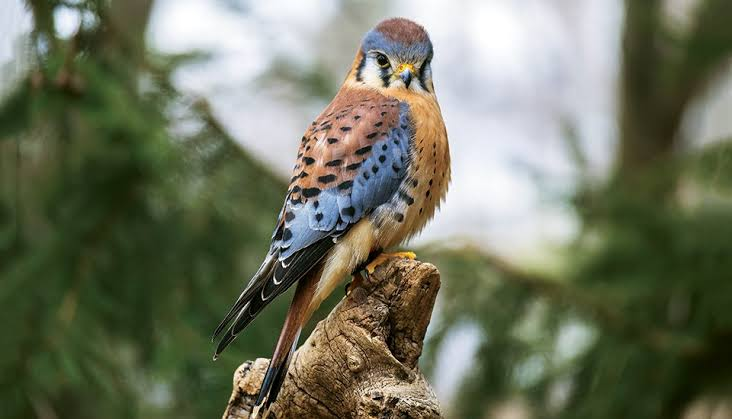
Although kestrels remain common in many regions, their numbers have declined in some areas over recent decades. Several factors contribute to this decline, including habitat loss, fewer prey animals and changes in agricultural practices. Understanding these challenges is important for protecting kestrel populations in the future.
Conservation organisations and wildlife groups work to support kestrels by protecting natural habitats and creating safe nesting opportunities. Installing nest boxes in suitable locations can provide additional breeding spaces, especially where natural nesting sites are limited. Maintaining areas with healthy grasslands and diverse wildlife also helps ensure a reliable food supply.
Individuals can support kestrel conservation by respecting wildlife areas, protecting natural spaces and reporting sightings to local wildlife organisations. Small actions can contribute to preserving this fascinating bird for future generations.
Interesting Kestrel Facts You Should Know
The kestrel is full of unique features that make it one of the most interesting birds of prey. Its ability to hover in the air is its most famous skill and allows it to hunt successfully in open environments. This technique requires excellent balance, strong wing control and precise movement.
Another remarkable feature of the kestrel is its powerful eyesight. The bird can detect tiny movements from high above the ground, helping it locate hidden prey. This natural ability shows how perfectly adapted kestrels are for their role as hunters.
Kestrels also play an important role in maintaining balance within ecosystems. By controlling populations of small mammals, they help support healthier natural environments. Their presence is a sign of a functioning and diverse ecosystem.
How to Spot a Kestrel in the Wild
Finding a kestrel in the wild can be a rewarding experience for birdwatchers and nature lovers. The best places to look are open landscapes such as farmland, countryside paths and grass-covered areas. A hovering bird above a field is often a strong sign that a kestrel is nearby.
Early morning and late afternoon are usually good times for watching kestrels because they are often active during these periods. Look for birds sitting on poles, fences or trees before beginning their hunting flights. Binoculars can help you observe their behaviour without disturbing them.
When watching kestrels, it is important to respect their environment. Avoid getting too close to nests and allow the birds to behave naturally. Responsible wildlife observation helps protect these beautiful falcons while allowing people to enjoy their impressive abilities.
Conclusion
The kestrel is a remarkable bird of prey that combines beauty, intelligence and incredible hunting abilities. From its famous hovering flight to its sharp eyesight and adaptable lifestyle, this small falcon continues to capture the attention of wildlife lovers across the UK and beyond.
Understanding kestrel habitat, behaviour and conservation needs helps highlight the importance of protecting these birds. By preserving natural spaces and supporting wildlife-friendly practices, people can help ensure that future generations continue to enjoy watching kestrels flying across open skies.
Frequently Asked Questions
What is a kestrel bird?
A kestrel is a small falcon known for hovering while hunting. It is one of the most familiar birds of prey found in the UK.
What do kestrels eat?
Kestrels mainly eat small mammals such as mice and voles but may also feed on insects, worms and small birds.
Where do kestrels live?
Kestrels live in open habitats including farmland, grasslands, heathlands and coastal areas across many parts of the world.
Why do kestrels hover?
Kestrels hover to search for prey below. This technique allows them to spot movement before making a quick attack.
How can you identify a kestrel?
A kestrel can be recognised by its pointed wings, long tail, colouring and unique hovering behaviour.
Are kestrels endangered?
Kestrels are not considered globally endangered, but some populations face threats from habitat loss and reduced food sources.
How long can kestrels live?
A kestrel’s lifespan varies, but many survive several years depending on food availability and environmental conditions.
What makes kestrels special?
Kestrels are special because of their hovering ability, excellent eyesight and skill at adapting to different habitats.
You May Also Read: Visceral Meaning