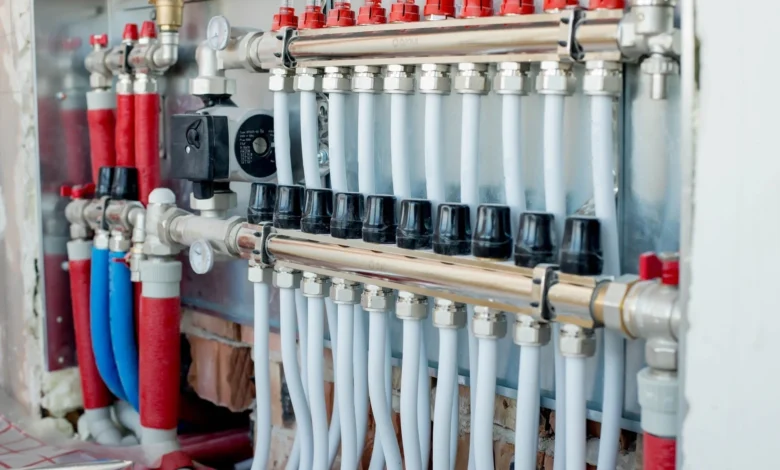
An underfloor heating manifold is a key part of a modern water-based underfloor heating system, acting as the central point that controls how warm water moves around your home. It connects the heating source, such as a boiler or heat pump, with the network of pipes installed beneath your floors. By managing water flow, temperature, and pressure, the manifold ensures every heating zone receives the right amount of warmth for a comfortable indoor environment.
As more UK homeowners look for efficient and practical heating solutions, underfloor heating has become increasingly popular in new builds, renovations, and home improvement projects. Understanding the purpose of an underfloor heating manifold, the different types available, installation requirements, and expected costs can help homeowners make better decisions when choosing a heating system that offers comfort, energy efficiency, and long-term reliability.
What Is an Underfloor Heating Manifold and How Does It Work?
An underfloor heating manifold is a control unit that distributes heated water from the main heating system into separate pipe circuits beneath the floor. Each circuit usually represents a different room or heating zone, allowing homeowners to control temperatures more accurately. The manifold receives hot water, directs it through the underfloor pipes, and then collects cooler water before sending it back into the heating system for reheating.
The main purpose of the manifold is to create balanced and efficient heat distribution throughout a property. Without proper control, some rooms may receive too much heat while others remain colder. The manifold uses components such as flow meters and valves to regulate circulation, helping maintain consistent temperatures. This makes the heating system more effective and reduces unnecessary energy consumption, which is especially important for households looking to lower heating costs.
The Main Components of an Underfloor Heating Manifold
A modern underfloor heating manifold contains several important parts that work together to maintain smooth system operation. The flow and return bars are two of the most essential components, as they manage the movement of hot and cooler water through the system. The flow bar sends warm water into the floor circuits, while the return bar collects water after it has released heat into the room.
Other important parts include flow meters, actuator valves, mixing valves, pumps, air vents, and drain valves. Flow meters allow installers to adjust the amount of water entering each circuit, ensuring balanced heating across different areas. Actuator valves work alongside thermostats to control individual zones, while mixing units help maintain safe water temperatures. Together, these components allow an underfloor heating manifold to provide reliable performance and improved heating control.
Different Types of Underfloor Heating Manifolds Available
There are several types of manifolds available in the UK market, and choosing the right option depends on the size of your property and your heating requirements. Stainless steel manifolds are one of the most common choices because they offer excellent durability, corrosion resistance, and long-lasting performance. They are suitable for many residential applications and work well with modern heating systems.
Pumped manifolds are another popular option because they include a circulation pump and mixing system to improve water movement and temperature regulation. Auto-balancing manifolds are designed to make adjustments easier by automatically controlling water flow between circuits. Each type has specific benefits, so homeowners should consider factors such as system size, energy requirements, and compatibility before making a final choice.
Choosing the Right Underfloor Heating Manifold for Your Home
Selecting the correct manifold is essential for achieving the best performance from an underfloor heating system. One of the most important factors to consider is the number of heating zones required. Manifolds are available with different numbers of ports, and each port connects to an individual pipe circuit. A small room may only need a two-port or four-port manifold, while larger properties may require systems with eight or more ports.
Homeowners should also consider the type of heat source being used, such as a traditional boiler or renewable technology like a heat pump. Flooring materials, room sizes, and property layout can also influence the ideal choice. A correctly selected underfloor heating manifold improves comfort, increases efficiency, and ensures the heating system operates effectively for many years.
Underfloor Heating Manifold Installation Process
The installation of an underfloor heating manifold requires careful planning and professional expertise. The first stage involves choosing the correct location, usually in a convenient position where maintenance and adjustments can be carried out easily. The manifold is then connected to the underfloor heating pipes, with each circuit carefully identified to ensure accurate temperature control for different areas of the home.
After all connections are completed, the system needs to be tested, balanced, and commissioned. Installers adjust flow rates, check water pressure, remove trapped air, and confirm that each heating zone is working correctly. Proper installation plays a major role in system efficiency because even a high-quality manifold may not perform properly if it has not been correctly configured and balanced.
Underfloor Heating Manifold Costs in the UK

The cost of an underfloor heating manifold can vary depending on several factors, including the number of ports, material quality, additional features, and installation requirements. Smaller manifolds designed for single rooms are generally less expensive, while larger systems with advanced controls, pumps, and multiple heating zones usually require a higher investment.
Installation costs should also be included when planning a budget. Professional fitting ensures the system is correctly connected and balanced, helping prevent future problems. Although choosing a cheaper option may seem attractive initially, investing in a reliable underfloor heating manifold can provide better efficiency, improved performance, and greater long-term value for homeowners.
Benefits of Installing a Quality Underfloor Heating Manifold
A high-quality underfloor heating manifold provides several advantages for modern homes. One of the biggest benefits is improved temperature control because each heating zone can be adjusted according to individual preferences. This allows different rooms to maintain comfortable temperatures without wasting energy on areas that are not being used.
Another major benefit is increased efficiency. Underfloor heating systems typically operate at lower temperatures than traditional radiators, and a well-designed manifold helps maximise this advantage. When combined with smart controls or renewable heating systems, a reliable manifold can contribute to reduced energy usage and a more environmentally friendly home heating solution.
Common Underfloor Heating Manifold Problems and Solutions
Although underfloor heating manifolds are designed for durability, some issues may occur over time. Uneven heating is one of the most common problems and can often be caused by incorrect flow settings, air trapped inside the pipes, or poorly balanced circuits. Checking the system settings and adjusting the flow meters can often improve performance.
Other problems may include leaking connections, incorrect temperature control, or reduced water circulation. Regular maintenance and professional inspections can help identify these issues before they become serious. Keeping the manifold clean, checking valves, and ensuring the system remains balanced are important steps for maintaining reliable heating performance throughout the year.
Maintenance Tips for an Underfloor Heating Manifold
Regular maintenance helps extend the lifespan of an underfloor heating system and keeps it operating efficiently. Homeowners should periodically check the manifold for signs of leaks, unusual noises, or changes in heating performance. Monitoring pressure levels and ensuring valves are functioning correctly can prevent minor issues from developing into costly repairs.
Professional servicing is also recommended, especially for larger heating systems or properties that rely heavily on underfloor heating. A qualified installer can inspect components, rebalance circuits, and ensure all controls are working correctly. Proper maintenance allows an underfloor heating manifold to deliver consistent warmth, improved efficiency, and dependable performance over many years.
Smart Controls and Modern Underfloor Heating Systems
Modern technology has transformed the way homeowners manage heating systems. Many current underfloor heating manifolds can be connected with smart thermostats and advanced heating controls, allowing users to adjust room temperatures remotely. These systems provide greater convenience while helping households monitor and reduce energy usage.
Smart controls also allow individual rooms to have separate heating schedules, meaning energy is only used when and where it is needed. This combination of precise control and efficient operation makes modern underfloor heating systems an excellent choice for homeowners looking to create comfortable and energy-conscious living spaces.
Conclusion
An underfloor heating manifold is an essential component that ensures a water-based underfloor heating system works efficiently and reliably. By controlling water distribution, temperature levels, and heating zones, it helps create a comfortable environment while supporting better energy management. Choosing the right type, installing it correctly, and maintaining it regularly are all important steps for achieving the best results.
For UK homeowners considering underfloor heating, investing in a dependable manifold can provide long-term benefits, including improved comfort, lower energy waste, and greater control over home temperatures. With the right system design and professional installation, an underfloor heating manifold can become a valuable part of an efficient modern heating solution.
FAQs
What does an underfloor heating manifold do?
An underfloor heating manifold controls the distribution of warm water through different floor heating circuits, helping maintain balanced temperatures across multiple rooms.
How many ports does an underfloor heating manifold need?
The number of ports depends on the number of heating circuits required. Larger homes usually need manifolds with more ports than smaller properties.
Can an underfloor heating manifold work with a heat pump?
Yes, many manifolds are designed to work with heat pumps and other low-temperature heating systems for improved efficiency.
How much does an underfloor heating manifold cost in the UK?
The price depends on the size, quality, features, and installation requirements. Basic models cost less, while advanced systems require a larger investment.
Does an underfloor heating manifold need regular maintenance?
Yes, regular inspections, balancing, and professional servicing help maintain efficiency and extend the lifespan of the heating system.
You May Also Read: Side Tables for Living Room