HWB, or Health and Wellbeing, is an increasingly important concept in modern education systems across the world. It refers to a structured approach within schools that focuses on improving students’ physical health, mental stability, emotional strength, and social development. Unlike traditional academic subjects that prioritize mathematics, science, or language learning alone, HWB takes a more holistic view of education. It recognizes that students perform better academically when they are healthy, emotionally balanced, and socially confident. This shift in focus reflects a growing understanding that education is not just about knowledge but also about preparing individuals for life.
In today’s fast-changing world, students face numerous pressures, including academic stress, social media influence, and personal challenges. HWB aims to address these issues by integrating health and wellbeing education into the school environment. It encourages students to develop self-awareness, resilience, and positive lifestyle habits from an early age. Schools that implement HWB programs often report improved student engagement, better behavior, and stronger relationships among peers. This makes HWB not just a subject, but a foundational framework for lifelong development.
Meaning and Core Concept of HWB
The concept of HWB is built on two interconnected pillars: health and wellbeing. Health refers primarily to the physical condition of a person, including fitness, nutrition, hygiene, and general body care. Wellbeing, on the other hand, goes beyond the physical aspect and includes mental health, emotional balance, and social relationships. Together, they form a complete approach to understanding human development in educational settings. This combination ensures that students are not only physically fit but also mentally and emotionally prepared to handle challenges.
HWB promotes the idea that learning is most effective when students feel safe, supported, and healthy. It encourages schools to create environments where emotional expression is valued and mental health is openly discussed. Instead of focusing solely on academic success, HWB highlights the importance of personal growth, confidence, and resilience. This holistic approach helps students build strong foundations for adulthood, where both professional success and personal happiness depend on balanced wellbeing.
Objectives of HWB in Education Systems
The primary objective of HWB in education systems is to support the overall development of students beyond academic achievement. One of its key goals is to promote physical health by encouraging regular exercise, healthy eating habits, and active lifestyles. Schools integrate sports, physical education classes, and wellness programs to ensure students remain physically active and understand the importance of fitness in daily life. This helps reduce health issues and improves concentration in academic subjects.
Another major objective of HWB is to strengthen mental and emotional wellbeing. Students are taught how to manage stress, deal with anxiety, and build emotional resilience. In an era where mental health challenges among young people are increasing, HWB plays a critical role in early awareness and prevention. It also encourages open conversations about emotions, helping to reduce stigma around mental health issues. Additionally, HWB focuses on developing social skills, empathy, and positive relationships, which are essential for teamwork and communication in both school and future workplaces.
Key Areas Covered Under HWB Curriculum
Physical Health Education
Physical health education is a core component of HWB. It includes lessons on exercise, sports participation, nutrition, and personal hygiene. Students are encouraged to understand how physical activity contributes to overall wellbeing and academic performance. Schools often include structured physical education programs that help students stay active and develop healthy habits early in life.
Mental and Emotional Wellbeing
This area focuses on helping students understand and manage their emotions effectively. Topics such as stress management, emotional intelligence, and coping strategies are commonly covered. Students learn how to handle pressure from exams, social environments, and personal challenges. This builds resilience and helps them maintain a balanced mindset.
Social and Community Development
HWB also emphasizes the importance of social skills and community engagement. Students are encouraged to work in teams, communicate effectively, and show respect for others. These lessons help build empathy, inclusion, and cooperation, which are essential for building strong communities.
Safety and Risk Awareness
Safety education is another important part of HWB. It includes personal safety, digital safety, and awareness of risky behaviors. Students are taught how to stay safe online, avoid harmful situations, and make responsible decisions. This prepares them for real-world challenges in both physical and digital environments.
Importance of HWB in Schools
HWB plays a vital role in creating a positive and supportive learning environment in schools. When students are healthy and emotionally balanced, they are more likely to perform better academically. Research shows that students who participate in wellbeing programs tend to have higher concentration levels, improved attendance, and better behavior in classrooms. This demonstrates the direct link between wellbeing and academic success.
Another important aspect of HWB is its role in reducing mental health issues among students. With increasing academic pressure and social challenges, many young learners experience stress and anxiety. HWB programs help address these issues by providing support systems, counseling, and awareness sessions. This not only benefits individual students but also contributes to a healthier school environment overall.
Teaching Methods Used in HWB Programs
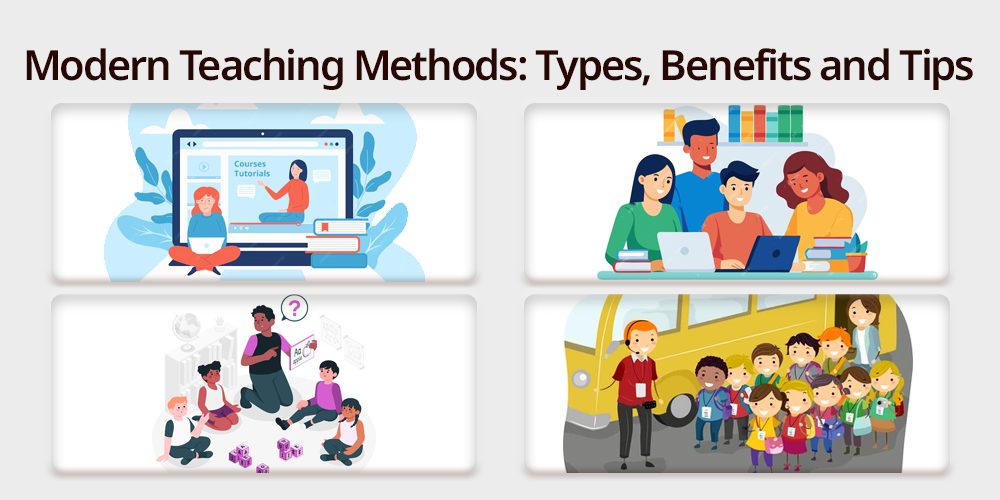
HWB is taught using a variety of interactive and practical methods. Instead of relying solely on textbooks, schools use activities such as group discussions, workshops, and real-life simulations. These methods help students understand concepts in a more engaging and practical way. Physical education sessions and sports activities are also integrated into the curriculum to promote active learning.
Teachers, counselors, and parents all play an important role in delivering HWB education. Schools often collaborate with mental health professionals and community organizations to provide additional support. This teamwork ensures that students receive consistent guidance both inside and outside the classroom.
Challenges in Implementing HWB
Despite its benefits, implementing HWB comes with several challenges. One major issue is the lack of trained staff and resources in some schools. Without proper training, it can be difficult to deliver effective wellbeing education. Another challenge is balancing academic pressure with HWB activities, especially in systems that prioritize exam results.
Cultural differences and awareness gaps also affect the implementation of HWB programs. In some regions, mental health is still a sensitive topic, making it harder to introduce open discussions. Additionally, measuring the success of HWB programs can be complex, as wellbeing is not easily quantifiable like academic scores.
Future of HWB in Education
The future of HWB looks promising as awareness of mental health and holistic education continues to grow globally. Many education systems are now integrating wellbeing programs into their national curricula. Technology is also playing a role, with digital tools and apps being used to monitor student wellbeing and provide support.
In the coming years, HWB is expected to become a standard part of education worldwide. Schools will likely place greater emphasis on emotional intelligence, resilience, and life skills, preparing students for both professional and personal success. This shift represents a more balanced and human-centered approach to education.
Conclusion
HWB, or Health and Wellbeing, is transforming modern education by shifting focus from purely academic achievement to holistic student development. It recognizes that true success in life depends not only on knowledge but also on physical health, emotional stability, and strong social skills. By integrating HWB into school systems, educators are helping students build healthier, more balanced, and more resilient lives. As awareness continues to grow, HWB is set to become a cornerstone of future education systems worldwide.
FAQs
What does HWB mean?
HWB stands for Health and Wellbeing in education systems.
Why is HWB important in schools?
It helps improve students’ physical health, mental wellbeing, and social skills.
What subjects are included in HWB?
It includes physical education, mental health awareness, safety education, and social development.
How does HWB benefit students?
It improves confidence, reduces stress, and encourages healthy lifestyles.
Is HWB part of modern education systems?
Yes, many countries are integrating HWB into their school curricula.
You May Also Read: Karen Carney