Morocco weather is one of the most diverse climate systems in North Africa, making the country a year-round destination for travelers. Its unique geographical position—bordered by the Atlantic Ocean, the Mediterranean Sea, and the Sahara Desert—creates a fascinating mix of weather conditions. This means that while one region experiences mild coastal breezes, another may be facing intense desert heat or even snowfall in the mountains. Understanding Morocco weather is essential for tourists, hikers, and cultural explorers who want to plan their trips effectively and enjoy the country’s natural beauty without discomfort.
One of the most interesting aspects of Morocco weather is how dramatically it changes from region to region. Coastal cities like Casablanca and Rabat enjoy moderate temperatures throughout the year, while inland cities such as Marrakech can become extremely hot during summer. Meanwhile, the Atlas Mountains often experience freezing winters with snow, attracting ski enthusiasts. In contrast, the Sahara Desert region delivers scorching daytime heat and surprisingly cold nights. This climatic diversity makes Morocco one of the most geographically dynamic countries in the world.
For travelers, Morocco weather plays a major role in shaping experiences. Whether you are exploring ancient medinas, hiking in the mountains, or riding camels across desert dunes, the weather determines comfort and accessibility. That is why understanding seasonal patterns is key to making the most of your journey. From spring blossoms to winter snowcaps, Morocco offers something unique in every season.
Morocco Climate Overview and Seasonal Patterns
Morocco weather is generally classified into three main climate zones: Mediterranean along the coast, semi-arid in the interior, and desert in the south. These zones create a wide range of temperature variations and rainfall patterns across the country. The coastal regions benefit from ocean influences, which moderate both summer heat and winter cold. Inland areas, however, experience more extreme temperature shifts, while the desert remains dry and hot throughout most of the year.
Spring (March to May) is widely considered one of the best times to experience Morocco weather. During this season, temperatures are mild, landscapes turn green, and flowers bloom across valleys and mountains. It is an ideal time for sightseeing, hiking, and cultural exploration. Summer (June to August) brings intense heat to inland cities like Marrakech and Fez, often exceeding 35–40°C, while coastal cities remain more comfortable due to ocean breezes.
Autumn (September to November) offers a balanced climate, making Morocco weather perfect for travel. The heat begins to fade, crowds decrease, and outdoor activities become more enjoyable. Winter (December to February) brings cool temperatures, especially in the mountains where snowfall is common. Coastal areas remain relatively mild, making winter travel possible without extreme conditions.
Rainfall in Morocco is generally concentrated in the winter months, especially in the north. The country enjoys abundant sunshine throughout the year, with some regions receiving over 300 sunny days annually. This combination of sunshine and seasonal variety makes Morocco weather both predictable and pleasantly diverse for travelers.
Regional Weather Breakdown in Morocco
Morocco weather varies significantly depending on the region, making it essential to understand each area before traveling. Coastal cities like Casablanca, Rabat, and Essaouira experience a Mediterranean-influenced climate. These areas are known for mild winters, cool ocean breezes in summer, and moderate humidity. Rainfall is more common here compared to other regions, but it is usually light and seasonal.
Inland cities such as Marrakech, Fez, and Meknes experience more extreme Morocco weather conditions. Summers are hot and dry, often reaching very high temperatures, while winters can be surprisingly cold at night. The difference between daytime and nighttime temperatures is more noticeable in these areas, which makes proper clothing essential for travelers. Despite the heat, these cities remain popular due to their cultural richness and historical landmarks.
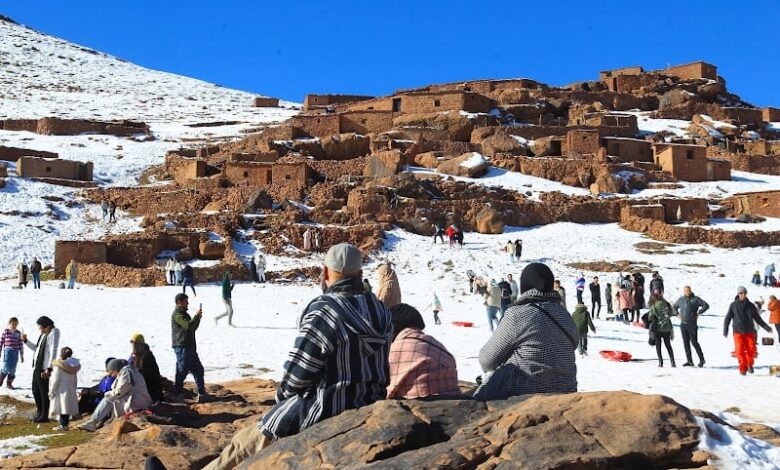
The Atlas Mountains represent one of the most dramatic climate zones in Morocco. Here, Morocco weather shifts to cold and snowy conditions during winter months. This region is ideal for skiing and winter sports, especially in areas like Oukaimeden. In summer, the mountains offer a refreshing escape from the heat of the cities, attracting hikers and nature lovers.
The Sahara Desert region, including Merzouga and Zagora, showcases the most extreme Morocco weather. Daytime temperatures can become very high, especially in summer, while nights drop significantly due to dry air. Despite the harsh conditions, the desert remains one of Morocco’s most iconic attractions, offering unforgettable experiences such as camel trekking and desert camping.
Morocco Weather by Season (Detailed Travel Guide)
Spring is one of the most favorable seasons for experiencing Morocco weather. During this time, temperatures are comfortable, ranging from mild to warm depending on the region. The countryside becomes lush and green, creating beautiful landscapes perfect for photography and outdoor activities. It is also a great season for exploring cities without the discomfort of extreme heat or cold.
Summer in Morocco weather presents a sharp contrast between regions. Coastal cities remain pleasant and attract beach tourists, while inland cities become extremely hot. This season is ideal for seaside vacations, surfing, and water activities. However, travelers visiting desert or inland areas must be prepared for intense heat and proper hydration.
Autumn offers one of the most balanced Morocco weather conditions of the year. Temperatures gradually cool down, making it ideal for sightseeing and cultural exploration. It is also a popular season for festivals and local events. With fewer tourists compared to summer, travelers can enjoy a more relaxed experience.
Winter brings cold Morocco weather to mountainous regions, while coastal areas remain mild and comfortable. Snowfall in the Atlas Mountains attracts winter sports enthusiasts, while desert nights become chilly but still manageable for camping experiences. This seasonal diversity allows Morocco to remain a year-round destination.
Best Time to Visit Morocco Based on Weather
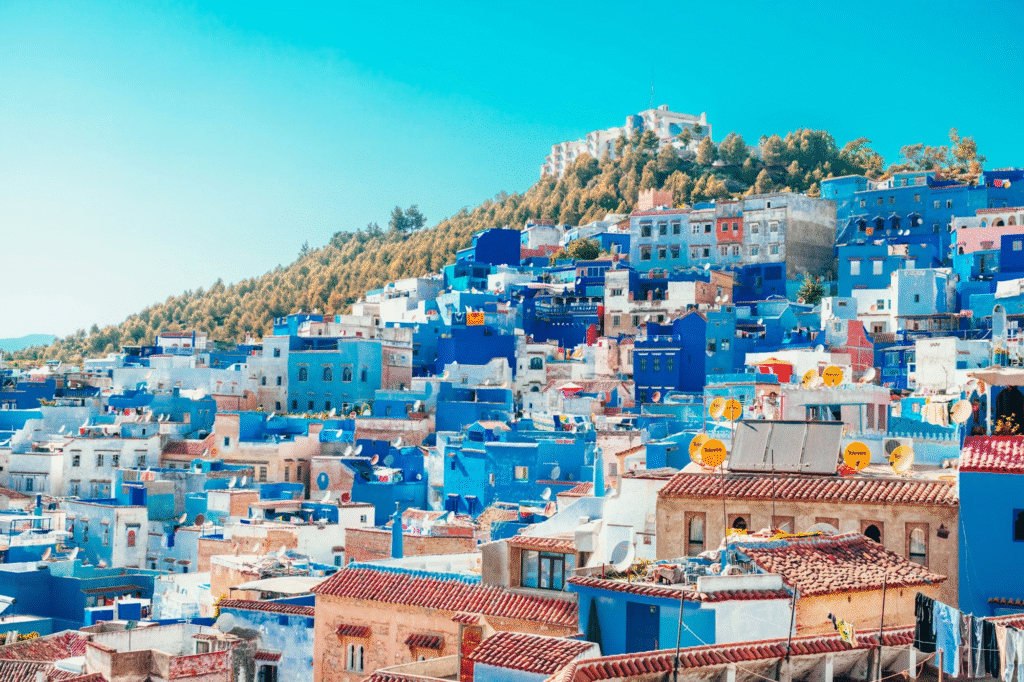
The best time to experience Morocco weather is generally during spring (March to May) and autumn (September to November). These periods offer pleasant temperatures, making them ideal for exploring cities, mountains, and deserts without extreme conditions. Travelers can enjoy sightseeing, hiking, and cultural experiences comfortably during these months.
Beach lovers may prefer summer months along the Atlantic coast, where Morocco weather remains relatively cool compared to inland heat. Coastal cities provide a refreshing escape with ocean breezes and water activities. Meanwhile, desert tours are best planned during cooler months to avoid extreme temperatures.
Extreme Weather Conditions and Climate Challenges
Although Morocco weather is generally favorable, the country does experience occasional extreme conditions. Heatwaves can affect inland and desert regions during summer, while heavy rainfall may lead to temporary flooding in some northern areas. The Atlas Mountains also face road disruptions during heavy snowfall in winter.
Climate change is gradually influencing Morocco weather patterns, leading to unpredictable rainfall and rising temperatures in some regions. However, the country has adapted well to these changes through infrastructure development and tourism planning.
Conclusion
Morocco weather is incredibly diverse, offering something unique in every season and region. From the cool Atlantic coastline to the hot Sahara Desert and snowy Atlas Mountains, the country provides a wide range of climate experiences. This diversity makes Morocco a year-round destination for travelers seeking culture, adventure, and natural beauty. Understanding seasonal patterns and regional differences is key to planning the perfect trip and enjoying everything Morocco has to offer.
FAQs
What is the best time to visit Morocco?
Spring and autumn are the most comfortable seasons.
Does Morocco get snow?
Yes, especially in the Atlas Mountains during winter.
How hot does Morocco get in summer?
Inland areas can exceed 40°C, while coastal regions are milder.
Is Morocco suitable for beach holidays?
Yes, especially along the Atlantic coast in summer.
What is the coldest month in Morocco?
January is typically the coldest month.
Is Morocco a year-round travel destination?
Yes, different regions offer favorable conditions throughout the year.
You May Also Read: Peaky Blinders Cast