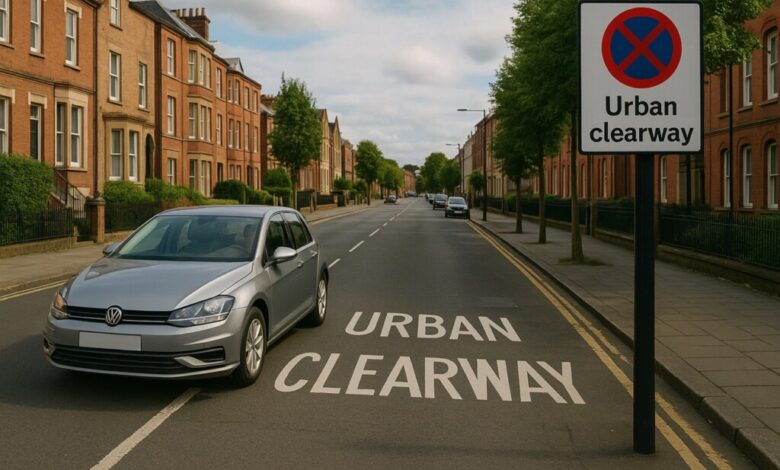
An urban clearway is a traffic control system designed to keep busy city roads moving smoothly by restricting vehicles from stopping during certain times. In many towns and cities, congestion becomes worse when drivers stop for quick drop-offs, loading, or parking on major routes. Even a short stop can create delays, block lanes, and cause frustration for other road users. That is why urban clearway zones were introduced as an effective solution for managing traffic flow.
For many drivers, the term urban clearway can be confusing at first. Some people mistake it for a no-parking zone, while others believe it only applies to buses or commercial vehicles. In reality, an urban clearway usually means that vehicles cannot stop on that road during the times displayed on nearby signs, except in specific circumstances. Understanding these rules is essential because ignoring them may lead to fines or penalties.
Urban clearway roads are commonly found in city centers, commuter routes, shopping districts, and other high-traffic locations. These are places where smooth movement of vehicles matters most, especially during morning and evening rush hours. By preventing unnecessary stopping, local authorities can reduce bottlenecks and improve road safety for everyone.
This detailed guide explains everything you need to know about urban clearway signs, rules, penalties, common mistakes, and how to drive legally in these zones. Whether you are a learner driver, daily commuter, or occasional visitor to a busy city, understanding urban clearway regulations can save you money and stress.
What Is an Urban Clearway?
An urban clearway is a designated road or section of road where stopping is prohibited during specific times shown on roadside signs. Unlike permanent no-stopping zones, urban clearways often operate only during peak traffic hours. For example, a sign may state restrictions from 7:30 AM to 9:30 AM and again from 4:30 PM to 6:30 PM. Outside those times, normal parking or stopping rules may apply depending on local regulations.
The purpose of an urban clearway is simple: keep roads clear when traffic demand is highest. In crowded urban areas, a single vehicle stopping to drop off a passenger can slow buses, create queues, and increase the risk of accidents. By limiting stopping during key hours, authorities maintain a smoother and safer traffic system.
Urban clearways are different from standard clearways often seen on faster roads or rural routes. A standard clearway may ban stopping entirely for long stretches, while an urban clearway is usually time-based and tailored for city traffic conditions. They are also different from bus lanes, where access rules relate to lane usage rather than stopping.
Many drivers confuse an urban clearway with a no-parking zone. However, the focus of an urban clearway is stopping, not just parking. Even pausing briefly may be restricted if it interrupts traffic flow. That is why reading the sign carefully is always important before pulling over.
Purpose of Urban Clearway Zones
The main reason for creating an urban clearway is to reduce traffic congestion. Cities often face heavy vehicle volumes during rush hour when commuters travel to work or return home. If cars are allowed to stop freely on major roads during these times, lanes become blocked and traffic slows rapidly. Urban clearways help prevent this problem.
Another important benefit is improved road safety. Parked or stopped vehicles can reduce visibility for pedestrians, cyclists, and other drivers. They may also force vehicles to change lanes suddenly, increasing collision risk. Keeping roadside space clear gives everyone better sightlines and more predictable traffic movement.
Urban clearway systems also support public transport. Buses rely on steady traffic conditions to stay on schedule. When lanes are blocked by stopped vehicles, delays affect many passengers at once. By reducing roadside obstructions, buses and taxis can move more efficiently through city routes.
Finally, urban clearways create a more organized driving environment. Clear rules reduce confusion, encourage legal stopping behavior, and make enforcement easier. When drivers know where and when they can stop, cities become easier to navigate for residents and visitors alike.
Urban Clearway Signs Explained
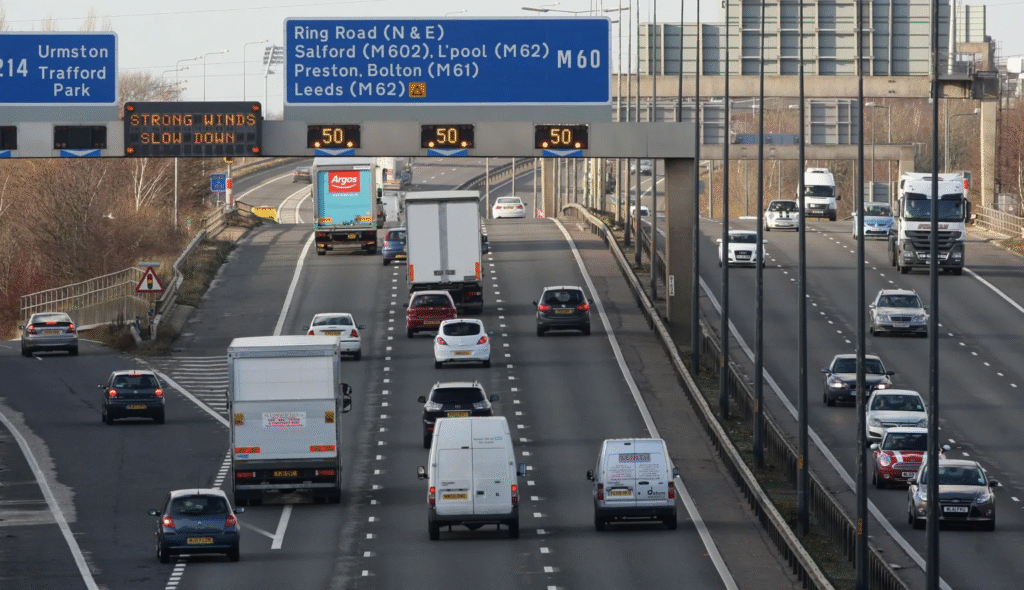
Urban clearway signs are the key to understanding restrictions. These signs typically feature the clearway symbol and include wording that states the hours of operation. Time plates are especially important because they tell drivers exactly when stopping restrictions apply.
For example, a sign might show “No stopping Mon–Fri 7:00–10:00 AM.” This means you cannot stop during those listed hours on weekdays, but outside those times stopping may be allowed if no other restrictions exist. Some roads may also display multiple time windows for morning and evening peak periods.
Drivers should always look for the beginning and end of the restricted zone. In some areas, repeated reminder signs appear along the route. If you enter midway through a road, the nearest sign still applies, so staying alert matters.
Reading signs fully can prevent costly mistakes. Many penalties happen because drivers notice the symbol but ignore the small timing details underneath. A quick glance is not enough—take a moment to understand the full restriction.
Urban Clearway Rules and Restrictions
The most important rule in an urban clearway is that stopping is prohibited during active restriction times. This includes quick passenger drop-offs, waiting for someone, loading goods, or pulling over for convenience unless a specific exemption applies.
Stopping, waiting, and parking are often confused terms. Parking usually means leaving a vehicle stationary and unattended. Waiting may mean remaining in the car while stationary. Stopping can include even a brief halt. In an urban clearway, all three may be restricted during active hours because the road must remain clear.
Emergency situations are usually treated differently. If your vehicle breaks down or stopping is necessary to avoid danger, safety takes priority. However, casual reasons such as answering a phone call or checking directions are not valid excuses in most cases.
Some locations may allow buses or licensed taxis to stop at designated marked points. These exceptions are usually clearly signed. Never assume you can use a bus stop or loading bay unless the sign specifically allows it.
Penalties for Breaking Urban Clearway Rules
Ignoring an urban clearway can result in fines, penalty charge notices, or local enforcement action. In many cities, traffic wardens or camera systems monitor restricted routes, especially during peak hours when violations cause the most disruption.
The financial cost may seem manageable at first, but repeated penalties quickly add up. In some places, prompt payment discounts apply, while late payment can increase the amount owed. Administrative hassle is another cost many drivers underestimate.
In serious cases, a vehicle causing obstruction may be towed or relocated. This can happen if a stopped car blocks traffic, bus access, or emergency movement. Recovering a towed vehicle usually involves additional fees and lost time.
Beyond money, violations can create stress and inconvenience. A few seconds spent reading the sign is far easier than dealing with fines, appeals, or vehicle recovery procedures later.
How to Drive Safely in an Urban Clearway
The smartest strategy is planning ahead. If you know you need to stop in a city area, search for legal parking spaces, side streets, or designated bays before starting your journey. Relying on luck near busy roads often leads to mistakes.
Stay alert for signs, road markings, and time restrictions. Peak-hour rules may only apply at certain times, so the same road can have different conditions throughout the day. What is legal at noon may be illegal at 8 AM.
Navigation apps can also help identify nearby car parks or permitted stopping areas. However, always trust physical road signs over app assumptions, as temporary changes or local rules may not always appear digitally.
If unsure, keep moving until you find a clearly legal place to stop. That simple habit prevents most urban clearway penalties and keeps traffic flowing smoothly.
Conclusion
An urban clearway is an important traffic management tool that helps reduce congestion, improve safety, and support public transport on busy city roads. By restricting stopping during key hours, these zones keep traffic moving where delays would otherwise build quickly.
For drivers, success is simple: read the signs, understand the times, and plan legal stopping options in advance. Whether you are commuting daily or visiting a new city, knowing urban clearway rules can save you from fines and frustration while making roads better for everyone.
FAQs
What does urban clearway mean?
It means stopping is restricted on a road during specific times shown on signs.
Can you stop in an urban clearway?
Usually not during active hours, unless a signed exception applies.
Do urban clearways operate all day?
Not always. Many only operate during peak traffic periods.
Can I park there outside restricted times?
Possibly, if no other parking restrictions apply.
Are fines common in urban clearways?
Yes, especially in busy areas with camera or officer enforcement.
You May Also Read: Glass Chopping Board