Keratin treatment is one of the most popular hair-smoothing salon procedures in the world today, especially for people struggling with frizz, dryness, and unmanageable hair. Keratin is a natural protein already present in your hair, skin, and nails, and it plays a vital role in maintaining strength, structure, and shine. Over time, factors such as heat styling, chemical treatments, pollution, and sun exposure reduce the natural keratin in hair, leaving it rough and dull.
A keratin treatment works by replenishing this lost protein and coating the hair shaft with a protective layer that smooths the cuticle. This results in shinier, softer, and more manageable hair that looks professionally styled even without daily effort. Unlike permanent straightening methods, keratin treatment does not completely alter the natural structure of hair but enhances its appearance by reducing frizz and improving texture.
In recent years, keratin treatment has gained massive popularity due to its ability to deliver salon-like smoothness while still maintaining a natural look. Many people choose it as a semi-permanent solution to humidity-related frizz and styling difficulties, especially in tropical climates.
How Keratin Treatment Works
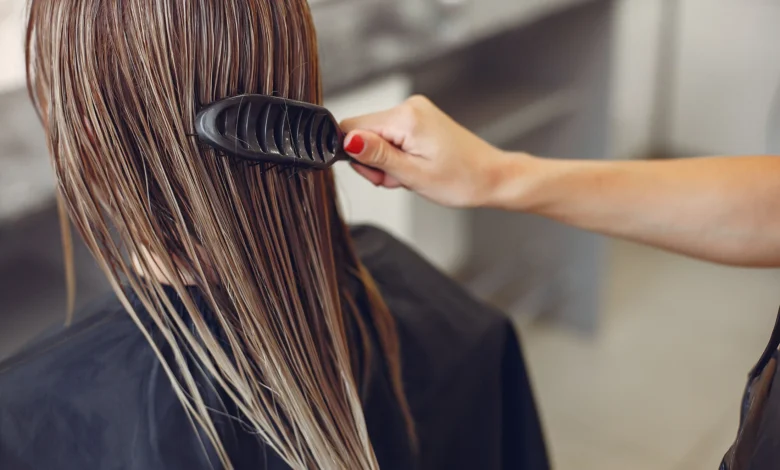
The keratin treatment process is a detailed salon procedure that typically takes between two to four hours depending on hair length and thickness. It begins with thoroughly washing the hair using a clarifying shampoo to remove dirt, oil, and product buildup. This step ensures that the hair is fully prepared to absorb the keratin solution effectively.
Once the hair is clean and slightly damp, the stylist applies a liquid keratin formula evenly from roots to ends. This formula penetrates the hair cuticle and fills in damaged or porous areas, helping restore smoothness and strength. After application, the hair is blow-dried completely to lock in the product.
The most important step involves sealing the keratin into the hair using a flat iron at high heat. This heat activation process is what allows the protein to bond with the hair structure, creating a smooth and glossy finish. The result is visibly straighter, softer hair with reduced frizz and enhanced shine.
Unlike chemical straightening treatments, keratin treatment does not break the natural bonds of the hair. Instead, it temporarily coats and repairs the surface, making it a safer and less damaging option for many individuals seeking smoother hair.
Benefits of Keratin Treatment
One of the biggest advantages of keratin treatment is its ability to dramatically reduce frizz, even in high humidity conditions. For individuals living in humid climates, this benefit alone makes the treatment highly desirable. Hair becomes significantly more manageable, allowing for easier styling and reduced reliance on heat tools like straighteners and curling irons.
Another major benefit is the noticeable improvement in shine and softness. The keratin layer smooths down the hair cuticle, reflecting more light and giving the hair a glossy, healthy appearance. This makes hair look freshly styled every day with minimal effort.
Keratin treatment also saves time in daily hair care routines. Since the hair becomes more manageable, blow-drying and styling take significantly less time. Many people also experience reduced hair breakage because smoother strands are less prone to tangling and mechanical damage.
Additionally, keratin treatment helps improve the overall appearance of chemically damaged or color-treated hair. It restores a healthier texture and makes the hair feel stronger and silkier. Depending on hair type and maintenance, results can last anywhere from two to five months, making it a semi-long-lasting solution for smoother hair.
Types of Keratin Treatments
There are several types of keratin treatments available, each designed to suit different hair needs and safety preferences. The most common type is the formaldehyde-based keratin treatment, which delivers long-lasting straightening and smoothing results. However, due to safety concerns, many salons now offer formaldehyde-free alternatives that are considered gentler on both hair and scalp.
Brazilian keratin treatment is one of the most well-known variations. It provides strong smoothing effects while still maintaining some natural movement in the hair. This type is especially popular among individuals with thick, frizzy, or wavy hair who want a sleek yet natural look.
Express keratin treatments are another option, designed for people who want quicker results that last a shorter duration. These treatments usually take less time in the salon and provide light smoothing and frizz control rather than intense straightening.
Protein-based keratin treatments focus more on repairing damaged hair rather than altering its texture. They are ideal for individuals with weak, brittle, or chemically treated hair who want restoration rather than straightening effects. Choosing the right type depends on hair condition, desired results, and sensitivity levels.
Keratin Treatment for Different Hair Types
Keratin treatment affects different hair types in unique ways. For straight hair, the treatment enhances shine and smoothness without significantly changing texture. It helps eliminate flyaways and gives a polished, salon-finished look that lasts for weeks.
For wavy hair, keratin treatment softens natural waves and reduces frizz, making hair more manageable and easier to style. Many people with wavy hair find that their styling time is cut in half after treatment, as their hair becomes more predictable and less prone to puffiness.
Curly hair experiences a more noticeable transformation. While keratin treatment does not permanently straighten curls, it loosens the curl pattern and makes them softer and less dense. This allows individuals to decide whether they want to maintain some curl definition or achieve a smoother finish.
Chemically treated or colored hair also benefits significantly from keratin treatment. It helps restore lost moisture and strength while improving texture and shine. However, professionals often recommend waiting a few weeks after coloring before undergoing keratin treatment to avoid unwanted color changes.
Side Effects and Safety Concerns
While keratin treatment is generally considered safe when performed correctly, there are some potential side effects to be aware of. One concern is the presence of formaldehyde in certain formulas, which can release fumes during the heat-sealing process. This may cause temporary irritation to the eyes, nose, or throat if proper ventilation is not maintained.
Some individuals may also experience temporary dryness or slight hair thinning after the treatment, especially if it is repeated too frequently or done on already fragile hair. This is why professional assessment before treatment is highly recommended.
Scalp sensitivity or allergic reactions can occur in rare cases, making a patch test important before full application. Choosing a reputable salon that uses high-quality, certified products significantly reduces risks and ensures better results.
Proper aftercare is also essential to avoid damage and maintain healthy hair. Using the wrong products or washing hair too soon after treatment can reduce effectiveness and shorten results.
Keratin Treatment vs Other Hair Treatments
Keratin treatment is often compared with other popular hair treatments like rebonding and smoothening. Unlike rebonding, which permanently changes the hair structure using strong chemicals, keratin treatment is semi-permanent and focuses more on coating and repairing the hair surface.
Compared to smoothening, keratin treatment generally provides more natural-looking results with added shine and less stiffness. Smoothening often results in straighter hair, while keratin maintains some natural movement depending on hair type.
Overall, keratin treatment is considered a middle-ground solution for those who want smoother, healthier-looking hair without permanently altering its natural texture. It is ideal for people who want flexibility and less damage compared to more aggressive chemical straightening methods.
Aftercare and Maintenance Tips
Proper aftercare plays a major role in maintaining keratin treatment results. One of the most important rules is to avoid washing hair for at least 48 to 72 hours after the procedure. This allows the keratin to fully settle into the hair structure.
Using sulfate-free and salt-free shampoos is essential because harsh chemicals can strip away the keratin coating prematurely. Gentle hair care products help extend the smoothness and shine for several months.
It is also recommended to minimize heat styling, especially in the first few weeks after treatment. When styling is necessary, using a heat protectant spray can help prevent damage. Regular deep conditioning masks can further enhance hydration and maintain softness.
Avoiding excessive sweating, swimming in chlorinated water, and exposure to heavy moisture during the initial days also helps preserve results. With proper care, keratin treatment can last significantly longer and maintain its salon-fresh appearance.
Cost, Longevity, and Results
The cost of keratin treatment varies depending on hair length, salon reputation, and product quality. Generally, shorter hair requires less product and costs less, while long or thick hair treatments are more expensive.
On average, results last between two to five months. However, longevity depends heavily on aftercare practices and hair type. Individuals who follow proper maintenance routines often enjoy longer-lasting smoothness and shine.
Signs that the treatment is fading include increased frizz, reduced shine, and faster tangling. At this stage, a repeat treatment can be considered, but it is usually recommended to wait a few months between sessions to avoid over-processing the hair.
Conclusion
Keratin treatment is an effective and widely trusted solution for achieving smooth, shiny, and frizz-free hair without permanently altering its natural structure. It offers multiple benefits, including improved manageability, reduced styling time, and enhanced overall hair appearance.
However, like any cosmetic hair procedure, its success depends on proper application, product quality, and aftercare. Choosing the right type of keratin treatment and following maintenance guidelines ensures the best long-term results.
For anyone struggling with unruly, frizzy, or damaged hair, keratin treatment can be a transformative experience that brings salon-quality smoothness into everyday life.
FAQs
Is keratin treatment safe for all hair types?
Yes, it is generally safe, but results and suitability vary depending on hair condition and treatment type.
How long does keratin treatment last?
It typically lasts between 2 to 5 months with proper care.
Can keratin treatment damage hair?
If done incorrectly or too frequently, it may cause dryness, but professional application minimizes risks.
Can I wash my hair after keratin treatment?
No, you should wait 48–72 hours before washing your hair.
Does keratin treatment permanently straighten hair?
No, it is a semi-permanent treatment that smooths and reduces frizz without permanently changing hair structure.
What should I avoid after keratin treatment?
Avoid sulfates, saltwater, chlorine, and excessive sweating for best results.
How often can I repeat keratin treatment?
It is usually recommended every 3–5 months depending on hair condition.
You May Also Read: Grout