
Cockapoo puppies are one of the most beloved hybrid dog breeds in the world, adored for their charming looks, affectionate nature, and intelligence. A cross between a Cocker Spaniel and a Poodle, cockapoos combine the best qualities of both parent breeds, making them ideal companions for families, singles, and seniors alike. Known for their friendly demeanor, adaptability, and hypoallergenic coat, these puppies have surged in popularity over the past few decades. Understanding the nuances of raising a cockapoo puppy is essential to ensure they grow into healthy, well-behaved, and happy dogs.
Before bringing a Cockapoo puppies home, it is crucial to research their breed characteristics, temperament, and care requirements. While they are generally low-maintenance compared to some other breeds, their intelligence and energy levels demand time, attention, and consistent guidance. From nutrition to grooming, exercise to socialization, each aspect of their care plays a vital role in shaping their behavior and wellbeing. In this guide, we will explore all the key aspects of cockapoo puppy care, including breed traits, preparation for adoption, health, training, and enrichment activities to provide owners with a comprehensive roadmap to success.
Understanding Cockapoo Puppies
Breed Overview
Cockapoo puppies originate from crossing a Cocker Spaniel with a Poodle, usually a Miniature or Toy Poodle, to produce a companion dog with an ideal temperament and appearance. Their coats can vary from curly to wavy or even slightly straight, often hypoallergenic, making them suitable for allergy sufferers. Colors range widely, including cream, apricot, black, and parti-color variations, adding to their visual charm. Adult cockapoos typically weigh between 12 to 24 pounds and stand about 10 to 15 inches tall, making them perfect for apartments or homes with moderate space.
Lifespan is generally between 12 to 15 years, though with proper care, some cockapoos may live longer. While hybrid vigor can make them relatively healthy compared to purebreds, they may inherit certain genetic conditions from their parent breeds, such as hip dysplasia, ear infections, or eye disorders. Early vet visits, preventive care, and regular health screenings can help ensure a long and vibrant life. Understanding these basics equips potential owners with realistic expectations and the knowledge needed to provide excellent care.
Personality and Temperament
Cockapoo puppies are renowned for their affectionate, friendly, and intelligent nature. They tend to form strong bonds with their human family members, often becoming loyal companions who thrive on love and attention. Known for their playful energy, they enjoy interactive play and mental stimulation, making them perfect for households willing to engage with them daily. They are also highly trainable due to their intelligence and eagerness to please, responding well to positive reinforcement and consistent routines.
Social behavior is one of their strongest qualities. Cockapoos typically get along well with children, other dogs, and even cats if properly socialized from a young age. Their adaptability allows them to adjust to various living conditions, whether in a busy urban apartment or a quiet suburban home. Emotional sensitivity is also a hallmark of their personality; they often sense the mood of their owners and provide comfort when needed, making them excellent therapy or emotional support dogs.
Preparing for a Cockapoo Puppy
Choosing the Right Puppy
Selecting a healthy cockapoo puppy is crucial for long-term happiness. Prospective owners should seek reputable breeders or adoption centers with strong ethical standards, transparent health records, and a commitment to responsible breeding practices. Avoid puppy mills or unverified online sellers, as they often prioritize profit over the welfare of the dogs.
When choosing a puppy, observe temperament, energy level, and social behavior. Puppies should appear alert, playful, and curious, with clear eyes, clean ears, and healthy coats. Ask breeders about parental health screenings, vaccination records, and early socialization experiences, as these factors can significantly influence the puppy’s long-term development. Visiting the breeder in person, if possible, allows you to assess living conditions and interactions between puppies and parents, ensuring a safe and nurturing environment.
Puppy Essentials
Bringing a cockapoo puppy home requires preparation. Essential supplies include a comfortable bed, chew toys, food and water bowls, grooming tools, and a secure crate for safe confinement. Selecting high-quality puppy food and planning a feeding schedule ensures optimal growth and health. Safety-proofing your home is also vital — removing toxic plants, securing cords, and setting boundaries for off-limit areas helps prevent accidents.
Additionally, prepare family members for the responsibilities of ownership. Everyone in the household should understand feeding routines, potty training schedules, and the importance of consistent interaction. Introducing a new puppy is an opportunity to instill good habits and set expectations early, creating a harmonious environment for both humans and the cockapoo.
Caring for Cockapoo Puppies
Nutrition and Diet
Proper nutrition is fundamental to a cockapoo puppy’s development. High-quality commercial puppy food formulated for small to medium breeds provides essential proteins, fats, vitamins, and minerals. Feeding should occur 3–4 times daily during the first few months, gradually transitioning to 2 meals per day as the puppy matures. Avoid feeding table scraps or foods toxic to dogs, such as chocolate, grapes, onions, and artificial sweeteners.
Supplements are typically unnecessary if a balanced puppy diet is provided. However, consulting a veterinarian for guidance on joint health, omega-3 fatty acids, or multivitamins may benefit some puppies. Fresh water should always be available to support hydration and healthy organ function. Consistent, balanced nutrition supports growth, energy, and immune system development, laying the foundation for a healthy adult dog.
Health and Vet Care
Cockapoo puppies require routine veterinary care to prevent illness and ensure proper development. Initial vaccinations protect against parvovirus, distemper, rabies, and other common canine diseases. Regular checkups allow early detection of conditions such as ear infections, allergies, and dental problems. Grooming, including brushing, ear cleaning, and nail trimming, should be integrated into weekly routines to maintain hygiene and prevent issues.
Preventive measures, such as flea and tick control, heartworm medication, and dental care, are essential for long-term health. Discuss spaying or neutering options with your veterinarian, balancing benefits for behavior and population control. A proactive approach to health ensures that cockapoo puppies grow into strong, active, and happy adult dogs.
Training and Socialization
Training should begin early, focusing on basic obedience, housebreaking, and socialization. Positive reinforcement using treats, praise, and play encourages learning and strengthens the bond between puppy and owner. Consistency is key, as cockapoos thrive on routine and clear expectations.
Socialization is equally important — exposing the puppy to different people, pets, environments, and experiences helps reduce fear and anxiety in adulthood. Puppy classes or supervised interactions with other dogs encourage confidence, good behavior, and adaptability. Well-socialized cockapoos are more likely to develop into balanced, friendly, and well-adjusted adult dogs.
Fun Activities and Enrichment
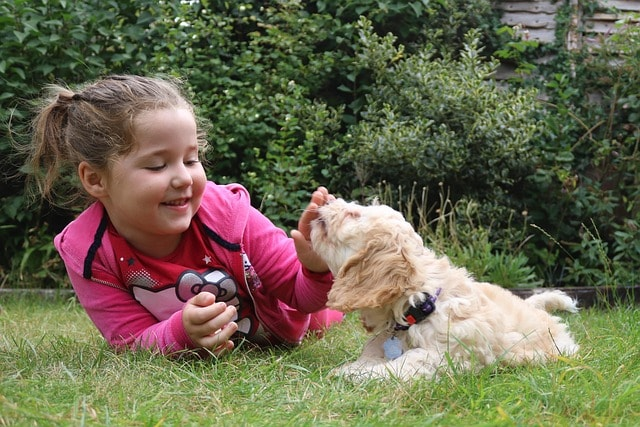
Cockapoo puppies are active and intelligent, requiring both physical and mental stimulation. Daily walks, fetch, and interactive games help expend energy while reinforcing training commands. Puzzle toys, obedience challenges, and scent games provide mental enrichment, preventing boredom and destructive behavior.
Grooming sessions can also be a bonding activity, turning a necessary routine into enjoyable quality time. Short training exercises interspersed with play sessions keep puppies engaged and foster strong owner-puppy connections. Ensuring sufficient exercise and enrichment supports overall wellbeing, helping cockapoo puppies grow into healthy, happy, and well-behaved adult dogs.
Conclusion
Raising a cockapoo puppy requires dedication, patience, and love, but the rewards are immeasurable. From understanding breed characteristics and temperament to providing proper nutrition, healthcare, training, and enrichment, each aspect contributes to shaping a happy and healthy dog. Cockapoo puppies thrive in environments filled with love, consistency, and mental stimulation, making them ideal companions for families and individuals alike.
By committing to responsible ownership and prioritizing the puppy’s physical and emotional needs, owners can enjoy the loyalty, affection, and playful energy of these delightful hybrid dogs for over a decade. Cockapoo puppies are more than pets — they are family members who enrich lives with joy, laughter, and unconditional love.
FAQs
How much do cockapoo puppies cost?
Cockapoo prices typically range from $1,500 to $3,000 depending on breeder, lineage, and location.
At what age can I bring a cockapoo puppy home?
Puppies are usually ready to leave their mother at 8–12 weeks old.
Are cockapoo puppies hypoallergenic?
Most cockapoos are low-shedding and suitable for allergy sufferers, though sensitivity varies.
How often should I groom my cockapoo puppy?
Regular brushing 2–3 times per week and professional grooming every 6–8 weeks is recommended.
What is the average lifespan of a cockapoo?
Typically 12–15 years with proper care.
How much exercise does a cockapoo puppy need daily?
30–60 minutes of play and walks are generally sufficient for young puppies.
Can cockapoo puppies live with other pets?
Yes, with proper socialization, they get along well with other dogs and pets.
What are common health problems in cockapoo puppies?
Ear infections, allergies, hip dysplasia, and dental issues can occur.
How can I train my cockapoo puppy not to chew furniture?
Provide chew toys, redirect behavior, and use positive reinforcement consistently.
When should I start socializing my cockapoo puppy?
Begin socialization as early as 8 weeks, gradually exposing them to new experiences and environments.
You May Also Read: Ruby wax husband