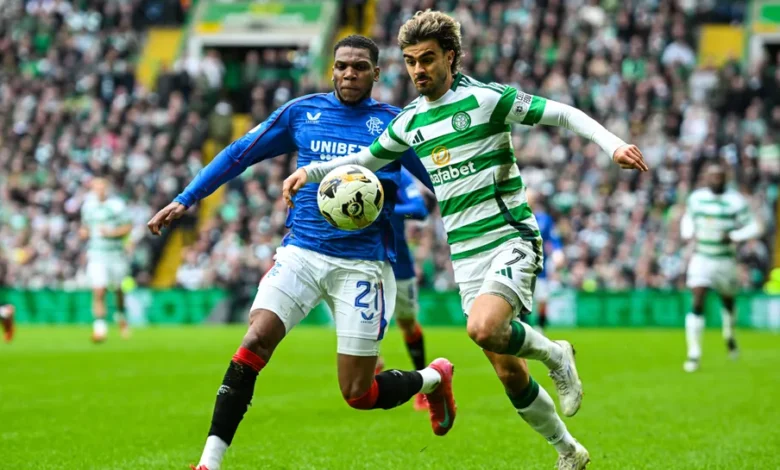
The Celtic vs Rangers fixture, famously known as the Old Firm Derby, is one of the most intense and widely followed rivalries in world football. Rooted deeply in history, culture, and sporting tradition, this Scottish clash goes far beyond the football pitch. Each encounter between these Glasgow giants evokes passion, pride, and anticipation, attracting global attention from fans, media, and analysts alike. The intensity of this rivalry has made it one of the most iconic derbies, not just in Europe but worldwide.
This rivalry is not only about football; it represents a complex mix of historical, cultural, and social dynamics. Celtic vs Rangers, the two most successful clubs in Scotland, have battled for domestic supremacy for over a century, making every match a decisive moment for league positions, trophies, and bragging rights. Beyond domestic competitions, these clashes often have broader implications, influencing fan culture, sports media, and even social discussions in Scotland.
For fans and newcomers alike, understanding Celtic vs Rangers requires looking at history, statistics, key players, tactics, and matchday atmospheres. This guide aims to provide a comprehensive look at the rivalry, covering everything from legendary matches to tactical battles, cultural significance, and what makes each derby day an unforgettable experience. By the end, readers will gain insights into why this fixture is more than just a football match—it is a phenomenon steeped in tradition and emotion.
History of Celtic vs Rangers Rivalry
The Old Firm Derby traces its origins back to the late 19th century. Celtic Football Club was founded in 1887 to support Glasgow’s Irish immigrant population, while Rangers, established in 1872, became associated primarily with the Protestant community. These religious and cultural divides laid the foundation for a rivalry that has grown over generations. The first official meeting between the two clubs occurred in 1888, setting the stage for one of football’s most passionate clashes.
Throughout history, Celtic vs Rangers have dominated Scottish football, collectively winning the majority of league titles, domestic cups, and various competitions. The rivalry intensified in the 20th century as both clubs became symbolic of broader cultural and religious identities. Matches were no longer just about points or trophies; they represented the pride and identity of entire communities. Iconic early encounters set patterns of fierce competition that continue to define the fixture today.
Significant historical matches shaped the Old Firm rivalry’s reputation. Dramatic league deciders, controversial refereeing decisions, and high-scoring encounters contributed to the derby’s legendary status. The rivalry also influenced fan culture, media narratives, and even societal tensions, proving that Celtic vs Rangers is not just a footballing battle but a reflection of Scotland’s social fabric.
Cultural and Social Significance
The Celtic vs Rangers rivalry extends beyond the pitch due to its religious, cultural, and social roots. Celtic has historically been associated with the Catholic and Irish immigrant community in Scotland, while Rangers aligns with the Protestant majority. These identities have fueled passionate support, creating a derby atmosphere that is unparalleled in intensity. The Old Firm has therefore evolved into a cultural phenomenon, influencing local traditions, music, chants, and community events.
Fan culture is central to this rivalry. Celtic Park and Ibrox Stadium come alive on matchdays with a sea of colors, banners, and coordinated chants that reflect identity, pride, and loyalty. Supporters not only cheer for football success but also express cultural narratives and historical memory. This combination of sport and social identity contributes to why the rivalry is considered one of the most intense in the world.
Internationally, the Old Firm rivalry has earned recognition as a fixture that embodies football passion in its purest form. Media coverage spans continents, highlighting the drama, tension, and excitement of each encounter. The global attention also elevates the clubs’ profiles, attracting fans, sponsors, and talent worldwide. Understanding this rivalry requires acknowledging its cultural dimensions alongside footballing achievements, making Celtic vs Rangers a unique spectacle.
Head-to-Head Statistics and Records
Statistically, the Old Firm rivalry is a treasure trove of achievements and records. As of recent seasons, Celtic vs Rangers have faced each other over 400 times in competitive matches, including league games, Scottish Cups, and League Cups. Rangers historically hold a slight edge in total wins, but Celtic’s dominance in certain eras, including treble-winning seasons, balances the rivalry’s competitive intensity.
Top scorers have defined these encounters, with legends like Jimmy McGrory, Henrik Larsson, and Ally McCoist leaving indelible marks on the derby’s history. McGrory remains Celtic’s all-time top scorer, while McCoist is Rangers’ record holder, illustrating how individual brilliance often influences the outcome of these high-stakes matches. Record-breaking matches, such as high-scoring thrillers or crucial title deciders, further underscore the rivalry’s intensity and unpredictability.
The statistical analysis also highlights trends such as home advantage, scoring patterns, and defensive strategies. Historically, matches at Celtic Park and Ibrox have produced contrasting atmospheres that influence team performance. Fans and analysts often study these head-to-head stats to predict outcomes, offering insights into tactical strengths, weaknesses, and potential turning points in future derbies.
Memorable Matches and Iconic Moments
The Old Firm Derby has witnessed countless memorable matches that fans recount for decades. One iconic encounter was the 1985 League Cup Final, which saw dramatic goals and a tense finish that captivated supporters. Similarly, title-deciding matches in the 1990s and 2000s, including Rangers’ treble-winning seasons, have left an enduring legacy.
Comedic moments, last-minute winners, and controversial incidents also contribute to the fixture’s legend. Whether it’s a spectacular goal by Henrik Larsson or a penalty drama involving Ally McCoist, these matches are etched into football history. Beyond the scorelines, the emotional highs and lows experienced by fans reinforce the derby’s special status.
Celtic vs Rangers matches are often turning points in the season, impacting league tables, cup campaigns, and player morale. Their significance extends to the community level, where victories and defeats influence local pride and social narratives. Each derby carries the weight of history, ensuring that every meeting is eagerly anticipated and remembered.
Tactical Analysis: Playing Styles of Both Teams
Celtic’s Playing Style
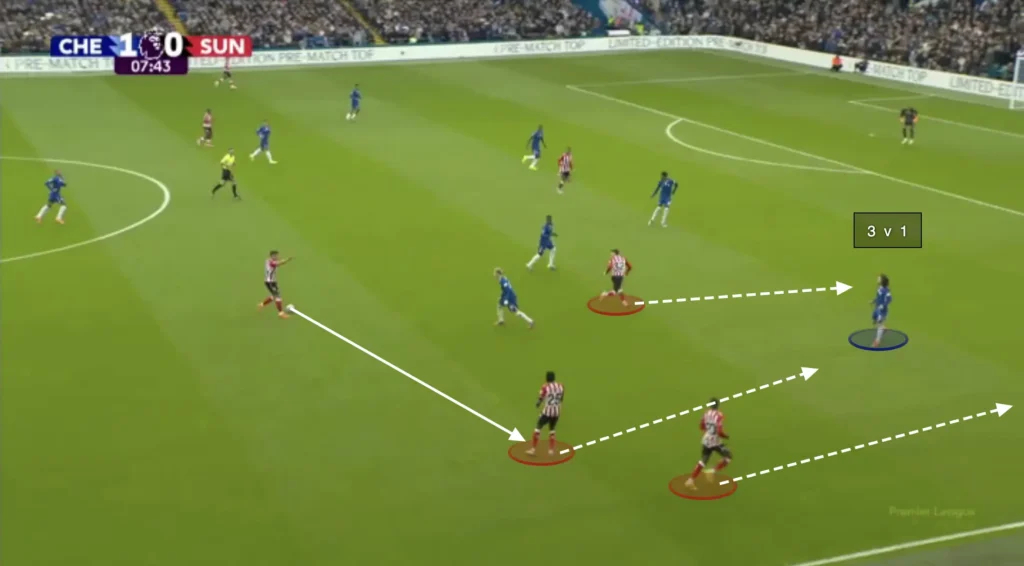
Celtic traditionally emphasizes attacking football, quick transitions, and possession-based strategies. The team often focuses on exploiting width through wingers while maintaining a high pressing game. Their ability to adapt formations, such as 4-2-3-1 or 3-4-3, allows them to switch tactics mid-game, challenging Rangers defensively and offensively.
Rangers’ Playing Style
Rangers, on the other hand, prioritize solid defensive organization and counter-attacking prowess. They are known for disciplined backlines, physical midfield battles, and precise long-ball strategies. The team frequently adjusts formations, including 4-3-3 or 3-5-2, to control key areas and disrupt Celtic’s rhythm.
Key Tactical Battles
Derbies often hinge on midfield control, where possession, pressing, and transitional play determine the outcome. Defensive duels, set-piece efficiency, and high-intensity pressing are also decisive. Managers often plan meticulously, knowing that small tactical decisions can influence an entire season.
Key Players to Watch
Celtic vs Rangers both feature players capable of defining derby outcomes. For Celtic, players like Kyogo Furuhashi and Reo Hatate bring attacking creativity and goal-scoring ability. Rangers rely on talents such as James Tavernier and Glen Kamara to control the midfield and provide offensive support.
Legendary figures, including Henrik Larsson, Ally McCoist, and Paul McStay, remain iconic due to their derby heroics. These players exemplify how individual skill, leadership, and determination can influence match dynamics. Current and former stars alike highlight the blend of talent, strategy, and passion that makes the Old Firm such a compelling fixture.
Matchday Experience and Fan Atmosphere
Attending an Old Firm Derby is a sensory experience. Celtic Park, known as “Paradise,” and Rangers’ Ibrox Stadium vibrate with chants, drums, and banners, creating an unparalleled football atmosphere. Fans arrive hours before kick-off, showcasing loyalty, pride, and creativity.
Security measures ensure safety, but the intensity remains palpable. The energy in the stadium often drives players, influencing tempo and morale. For newcomers, witnessing the passion firsthand is an unforgettable experience, highlighting why Celtic vs Rangers is more than a match—it is a cultural event.
Conclusion
The Celtic vs Rangers rivalry transcends football, combining history, culture, statistics, and unforgettable moments. Every match carries significance, whether it’s for league supremacy, cup glory, or fan pride. With legendary players, tactical battles, and a passionate atmosphere, the Old Firm remains one of the most exciting fixtures in world football.
Understanding this rivalry involves more than scores; it’s about appreciating its heritage, social context, and enduring legacy. Celtic vs Rangers continues to captivate audiences globally, ensuring that every derby remains a must-watch spectacle for football fans everywhere.
FAQs
What is Celtic vs Rangers called?
It is known as the Old Firm Derby.
Why is the rivalry so intense?
Historical, cultural, and sporting reasons fuel the rivalry.
Which team has won more matches?
Rangers hold a slight edge historically, though dominance has shifted over time.
Where are Celtic vs Rangers based?
Both clubs are based in Glasgow, Scotland.
Who are the top scorers in this rivalry?
Jimmy McGrory (Celtic) and Ally McCoist (Rangers) lead the records.
How often do Celtic and Rangers play each other?
They meet multiple times each season in league and cup competitions.
Where can I watch Celtic vs Rangers live?
Matches are broadcast internationally on TV and live streaming platforms.
What makes this derby unique?
Its combination of history, culture, fan intensity, and high stakes sets it apart.
Who are the most famous players in this rivalry?
Legends include Henrik Larsson, Ally McCoist, and Paul McStay.
Is it safe to attend an Old Firm match?
Yes, with standard security measures and adherence to stadium protocols, it is safe.
You May Also Read: Ramadan 2025