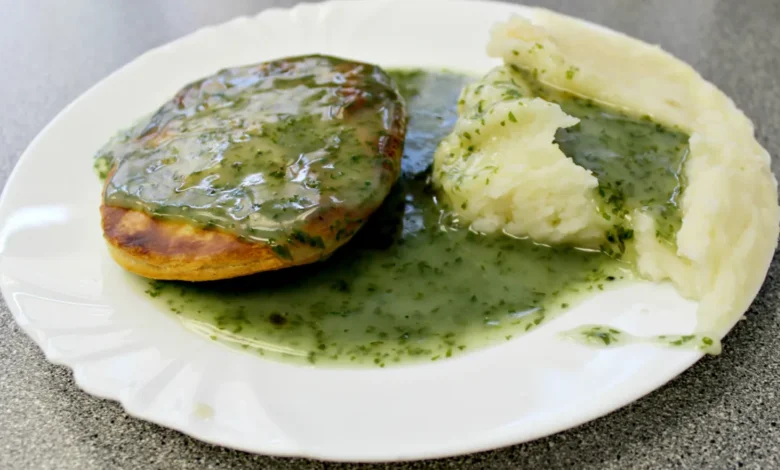
Pie and mash is far more than a simple meal; it is a symbol of British culinary heritage and working-class pride. At its core, the dish consists of a minced beef pie served with creamy mashed potatoes and generously covered in a distinctive green parsley sauce known as liquor. Despite its humble ingredients, pie and mash has earned an iconic status due to its deep cultural roots, comforting flavours, and strong connection to community life. For generations, it has represented warmth, affordability, and tradition, making it one of the most recognisable comfort foods in Britain.
What makes pie and mash especially fascinating is its strong association with London, where it originated and flourished. While many traditional dishes fade with time, pie and mash has survived social change, war, and modern food trends. Today, it appeals not only to lifelong Londoners but also to tourists seeking an authentic taste of British food culture. Its simplicity, honesty, and nostalgic value continue to resonate in an age dominated by fast food and global cuisines.
History and Origins of Pie and Mash
The origins of pie and mash can be traced back to the 19th century, during the height of the Industrial Revolution. As London’s population expanded rapidly, affordable and filling food became essential for working-class families. Pie and mash emerged as the perfect solution: cheap ingredients, easy preparation, and high nutritional value. Early versions were sold from street carts and small shops, particularly in East London, where dock workers and labourers needed hearty meals to sustain long working hours.
Over time, dedicated pie and mash shops began to appear, often run by families who passed recipes and techniques down through generations. These establishments became more than food outlets; they served as community centres where neighbours gathered, stories were shared, and local identity was strengthened. Even during periods of rationing in the World Wars, pie and mash remained a staple, adapting to ingredient shortages while preserving its essential character. This resilience is a key reason why the dish remains so deeply respected today.
What Makes Traditional Pie and Mash Unique
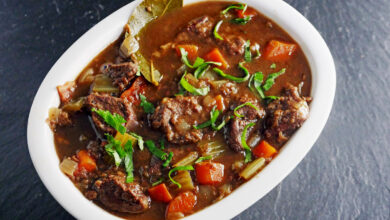
Traditional pie and’mash stands apart from other meat pies due to its specific preparation and accompaniments. The pie itself is typically made with minced beef seasoned simply, encased in a shortcrust pastry that is sturdy rather than flaky. This design was intentional, allowing the pie to hold up under generous servings of mash and liquor. The mashed potatoes are smooth, buttery, and mild, acting as the perfect base for the richer flavours of the meat and sauce.
The most distinctive element is undoubtedly the parsley liquor. Unlike gravy, liquor is a thin, vibrant green sauce made from parsley, stock, and flour. Historically, it was flavoured with the water used to cook eels, giving it a unique depth. While not everyone immediately appreciates its taste, liquor is essential to the authentic pie and mash experience. Together, these elements create a dish that is simple yet unmistakable, instantly recognisable to anyone familiar with traditional British food.
Pie and Mash Shops and Their Cultural Legacy
Pie and mash shops are a defining feature of the dish’s identity. Many of these shops have operated for over a century, maintaining original interiors with tiled walls, marble counters, and wooden booths. Stepping inside feels like travelling back in time, offering diners a direct connection to London’s past. One of the most famous examples is Manze’s Pie and Mash, which has become synonymous with authenticity and tradition.
These shops are cherished not just for their food but for their atmosphere. Regular customers often have personal relationships with the owners, and recipes are guarded family secrets. In an era of chain restaurants and digital ordering, pie and’mash shops represent something rare: continuity. Their survival highlights the enduring appeal of traditional food and the importance of preserving culinary heritage in a rapidly changing world.
Pie and Mash in Modern British Food Culture
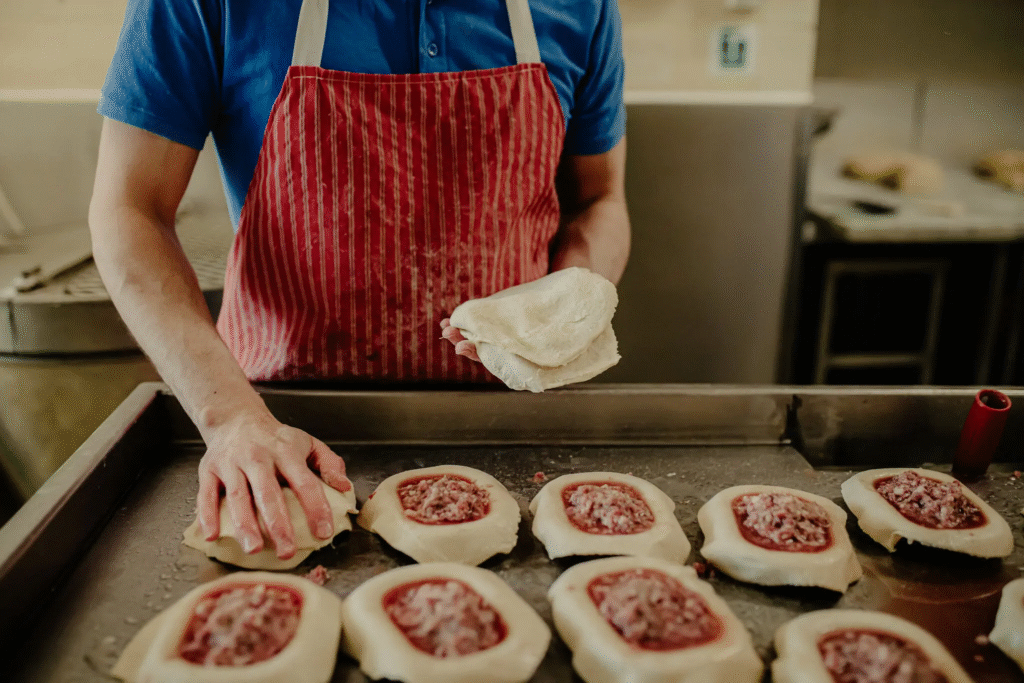
In recent years, pie and mash has experienced a revival as interest in traditional British food has grown. Modern chefs and food enthusiasts are rediscovering its value, sometimes adding contemporary twists such as alternative meats, vegetarian fillings, or refined presentations. While purists may prefer the classic version, these adaptations help introduce the dish to new audiences without erasing its roots.
Pie and mash has also gained visibility through food festivals, television programmes, and social media, where nostalgia and authenticity are highly valued. Younger generations, once less familiar with the dish, are now embracing it as part of a broader appreciation for heritage cuisine. This renewed interest ensures that pie and’mash is not merely remembered as a relic of the past but continues to evolve while staying true to its origins.
Conclusion
Pie and mash remains one of Britain’s most enduring and meaningful dishes. Its longevity is a testament to the power of simple, honest food and the cultural connections it fosters. From its working-class beginnings to its modern revival, pie and’mash tells the story of London itself—resilient, diverse, and deeply rooted in tradition. As long as there are people who value heritage, comfort, and community, pie and mash will continue to hold its place on British plates.
Frequently Asked Questions (FAQs)
What is pie and mash made of?
Pie and mash consists of a minced beef pie, mashed potatoes, and parsley liquor.
Why is liquor served with pie and mash?
Liquor is a traditional parsley-based sauce that replaces gravy and defines the dish’s authentic flavour.
Is pie and mash only popular in London?
While it originated in London, pie and mash is now enjoyed across the UK.
Are jellied eels still eaten with pie and’mash?
Yes, though less common today, jellied eels remain a traditional accompaniment.
Can vegetarians eat pie and’mash?
Many modern shops now offer vegetarian versions using alternative fillings.
You May Also Read: Bain Marie