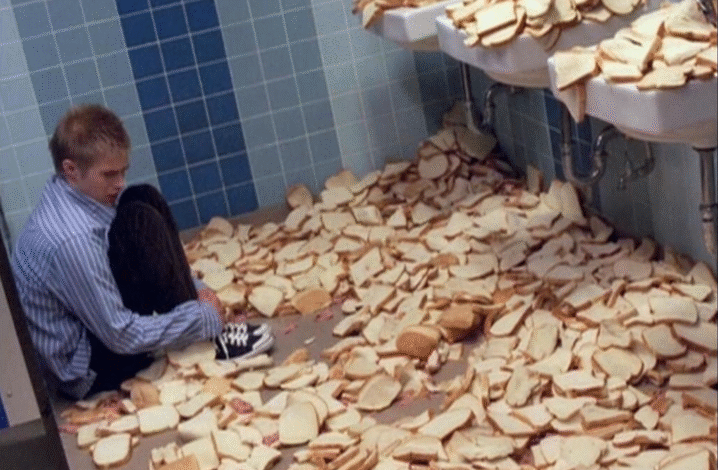
The internet has a way of creating phenomena that are strange, humorous, and sometimes deeply unsettling, and cursed images are a prime example. These photos, often bizarre, awkward, or inexplicably eerie, have captivated online audiences, becoming a staple of meme culture. Unlike typical memes or viral content, cursed images provoke a mixture of discomfort and fascination, drawing users in with their uncanny qualities. They evoke reactions ranging from laughter to confusion, and sometimes even mild horror, depending on the viewer’s perspective.
Cursed images are not defined by high production value or traditional “creepiness.” In fact, their charm often lies in their mundane yet inexplicably off-kilter nature. A seemingly ordinary photo can become cursed due to strange lighting, awkward angles, bizarre objects, or context that makes the image feel deeply wrong. Their viral potential is immense, as audiences are compelled to share the content, comment on it, or create variations, fueling a cycle of digital curiosity.
The rise of cursed images reflects a broader trend in online communities: the fascination with content that challenges our sense of normalcy. Unlike horror movies or staged digital art, cursed images occupy a gray area between reality and absurdity, making them uniquely compelling. This article explores the origins, characteristics, psychological appeal, and cultural impact of cursed images, offering insight into why these oddities have become a staple of internet life.
Origins and History of Cursed Images
Cursed images have roots that predate social media, emerging in early internet forums and niche communities dedicated to sharing odd or unsettling photographs. Long before the term “cursed image” became popular, users on platforms like 4chan or early Reddit would share pictures that were inexplicably weird or uncomfortable. These images often captured unusual moments in everyday life, sometimes with poor lighting or awkward framing, producing an eerie effect that intrigued viewers.
The term “cursed image” itself gained traction around 2016, largely due to social media communities on Reddit and Twitter that specialized in collecting and sharing these photos. Subreddits dedicated to cursed images became central hubs for users to submit odd photographs, each assessed for its ability to elicit discomfort or confusion. The community quickly developed a shared language for discussing what makes an image cursed, ranging from subtle visual misalignments to extreme surrealism.
These images are often connected to older internet phenomena such as “creepy images” or surreal memes. However, cursed images differ because they rely less on intentional humor and more on a genuine sense of wrongness or unease. The appeal is in the inexplicability—the viewer senses something is off but cannot immediately identify why, which creates a persistent intrigue and encourages repeated engagement.
Social media platforms amplified the trend, allowing cursed images to reach wider audiences beyond niche forums. Memes, compilations, and viral threads contributed to their popularity, ensuring that even casual users became familiar with the concept. Today, cursed images are a recognized category of internet content, bridging the gap between humor, horror, and surrealist art.
Characteristics of a Cursed Image
Cursed images are defined by their unique ability to feel “wrong” or unsettling, even when nothing overtly threatening is present. The visual features that make an image cursed often include awkward compositions, strange angles, poorly framed subjects, or distorted proportions. These elements disrupt the viewer’s expectation of normalcy, creating discomfort that can range from subtle unease to outright disturbance.
Contextual oddities are another hallmark of cursed’images. Objects or people may appear in strange juxtapositions, settings may feel unusually empty, or items may seem out of place in a way that challenges logic. For example, a photo of a living room might be perfectly ordinary except for an inexplicably large object dominating the space, triggering a sense of cognitive dissonance.
Psychological elements play a significant role as well. The concept of the uncanny valley, where something is almost—but not quite—normal, often applies. Human brains are wired to detect patterns and anomalies, so when an image contains subtle distortions, the viewer’s perception of reality is disrupted. This ambiguity enhances the “cursed” quality, as the viewer struggles to reconcile the familiar with the unsettling.
Cursed images differ from traditional creepy or horror photography because the unsettling effect often arises unintentionally. Unlike staged horror photos, cursed images are typically ordinary moments captured in strange ways, lending them a surreal authenticity. This blend of real-world elements and visual oddities is what makes cursed images particularly compelling and shareable online.
Why People Are Fascinated by Cursed Images
Humans are naturally drawn to the unusual, and cursed images exploit this curiosity perfectly. The discomfort they induce is paired with intrigue, prompting viewers to look closer, share the image, or discuss what makes it feel wrong. This fascination is rooted in psychology: the human brain is wired to analyze anomalies, seeking explanations for patterns that appear abnormal or unexpected.
Humor also plays a role in the appeal of cursed images. Many viewers find the absurdity and awkwardness of these photos amusing. The tension between unease and amusement creates a unique emotional experience, which is why cursed’images often thrive on social media. The more bizarre or inexplicable the photo, the more likely it is to be shared and commented on.
The viral nature of cursed images is amplified by community engagement. Social media users often add captions, jokes, or commentary, turning each photo into a conversation piece. This participatory culture encourages further sharing and contributes to the phenomenon’s longevity. Cursed images thus exist at the intersection of humor, horror, and social interaction, making them compelling content for a wide audience.
Finally, cursed images serve as a form of digital storytelling. Each image tells a story or presents a scenario that is incomplete or ambiguous, leaving room for interpretation. This open-ended nature engages viewers’ imagination, prompting them to invent explanations or narratives for the unsettling visuals, enhancing both entertainment and curiosity.
Cursed Images in Pop Culture and Internet Memes
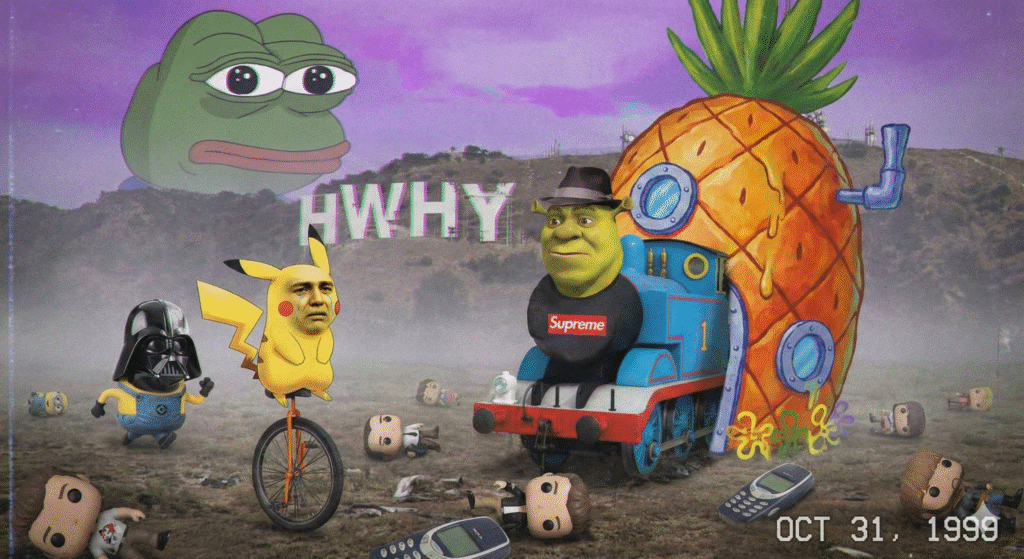
Cursed images have become an integral part of meme culture and digital entertainment. Many have gone viral, appearing in compilations, video edits, and social media threads dedicated to bizarre or surreal content. These images often inspire derivative memes, where captions, edits, or formats are applied to create humorous or satirical commentary.
The trend has influenced how internet users engage with visual content. Reaction images, often derived from cursed images, are used to express feelings of discomfort, disbelief, or awkwardness in online conversations. By becoming part of digital communication, cursed images extend beyond mere entertainment and shape the language of meme culture.
Cursed images also appear in video content, such as YouTube compilations or TikTok edits. Content creators leverage their unsettling qualities to generate engagement, combining humor, narration, and commentary to enhance the viewing experience. This integration into multimedia formats further solidifies their place in internet culture.
Overall, cursed images have transitioned from niche, obscure content to mainstream recognition within online communities. Their blend of humor, unease, and relatability ensures they remain relevant and continually adapted, demonstrating the dynamic nature of internet trends and digital storytelling.
Risks and Considerations
While cursed’images are primarily humorous and entertaining, some carry potential risks. Certain images may be disturbing or triggering, particularly for viewers sensitive to unsettling content. It is important to approach these images with awareness of personal limits and mental health considerations.
Ethical concerns also arise when real-life images are shared without consent. While most cursed images are innocuous, some may involve private spaces or people unaware of being photographed. Responsible sharing and contextual understanding are crucial to avoid harm or misuse.
Desensitization is another consideration. Overexposure to bizarre or unsettling content may reduce the emotional impact over time, making it harder for viewers to engage meaningfully. Moderation and mindful consumption help maintain the novelty and fascination of cursed’images.
By acknowledging these considerations, viewers can safely enjoy cursed images without compromising ethical standards or personal well-being.
Conclusion
Cursed images occupy a unique space in internet culture, blending humor, unease, and surrealism into visually compelling content. Their appeal lies in the combination of ordinary settings with inexplicable oddities, creating an emotional response that ranges from discomfort to amusement. As a phenomenon, cursed images highlight the human fascination with the unusual and the power of digital communities to amplify curiosity and creativity.
Whether experienced for entertainment, meme participation, or digital storytelling, cursed images reveal the complexity of internet culture and our engagement with visual media. They are a testament to the ways in which seemingly mundane moments can become fascinating, unsettling, and endlessly shareable.
Frequently Asked Questions (FAQs)
What exactly qualifies as a cursed image?
A cursed image is any photo that provokes discomfort, confusion, or a sense of wrongness, often through awkward composition or surreal elements.
How did cursed images become a trend?
The trend gained traction through Reddit, Twitter, and other social media platforms, where communities curated and shared odd or unsettling photos.
Are cursed images dangerous or harmful?
Most are harmless and intended for entertainment, though some may be disturbing or triggering to sensitive viewers.
Can anyone create a cursed image?
Yes, any photo that captures odd, awkward, or surreal moments can be considered cursed if it evokes the characteristic emotional response.
Where can I find collections of cursed images?
Popular platforms include Reddit communities, Twitter accounts, Instagram pages, and meme compilations.
Why do people find cursed images so fascinating?
Humans are drawn to anomalies; the combination of unease, curiosity, and humor makes cursed images compelling and shareable.
You May Also Read: Next Beauty Box